Punjab Paddy Yields At Risk Amid 28% Rain Deficit, Rise In Cultivation Costs
Source Entity
NDTV News Search Records Found 1000
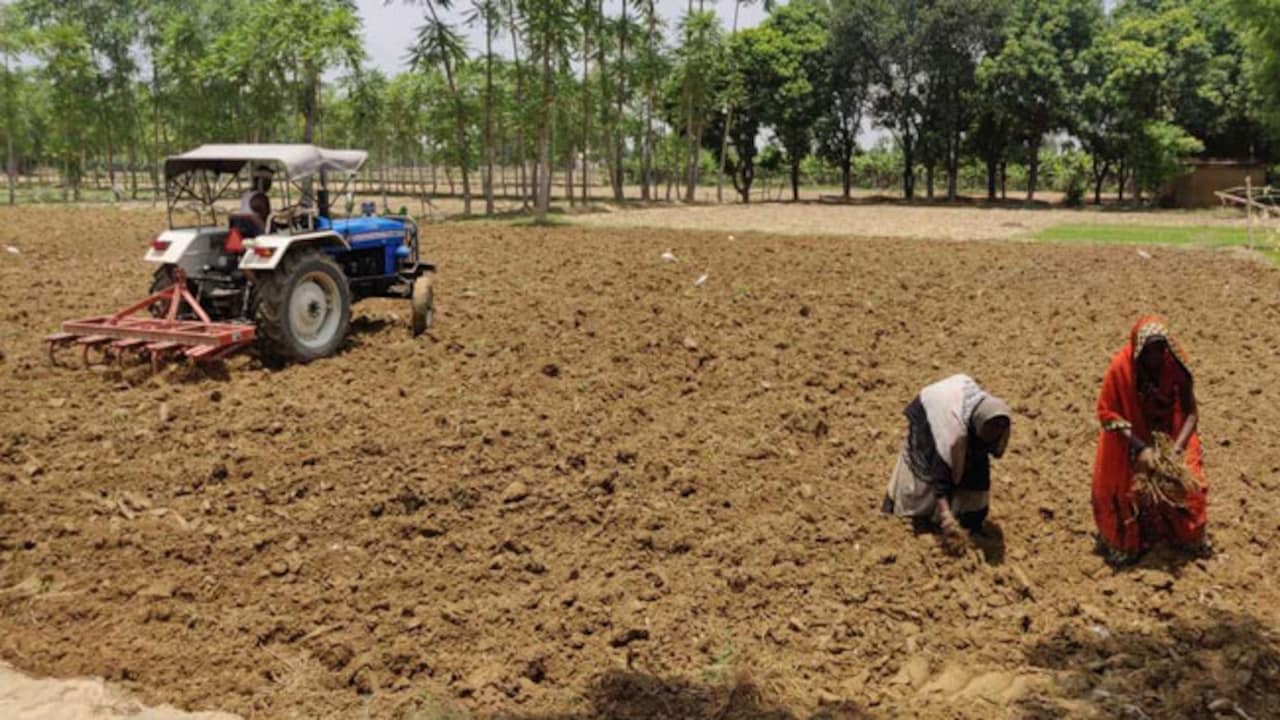
Punjab's paddy crop faces significant threats due to a 28% rainfall deficit and rising cultivation costs. Farmers are increasingly relying on tube wells to sustain their fields, escalating both financial and environmental pressures.
The Crisis Facing Punjab’s Paddy Fields
Punjab, often referred to as the 'granary of India,' is currently grappling with a severe agricultural challenge as a 28% rainfall deficit threatens the upcoming paddy harvest. The monsoon, which serves as the lifeblood for the state’s intensive rice cultivation, has failed to deliver the necessary precipitation, leaving vast tracts of farmland vulnerable. This meteorological shortfall is not merely a seasonal anomaly but a systemic risk that jeopardizes the livelihoods of thousands of farmers who rely on the kharif crop for their annual income.
The Heavy Reliance on Groundwater
With the lack of adequate rainfall, the agricultural sector in Punjab has been forced into a state of emergency, characterized by an unprecedented dependence on tube wells. While these groundwater extraction systems provide a stopgap measure to prevent immediate crop failure, they represent a precarious solution. The reliance on tube wells is a direct consequence of the hydrological stress currently gripping the region, forcing farmers to operate machinery around the clock to compensate for the missing monsoon showers.
Escalating Costs of Production
Beyond the environmental strain, the economic burden on farmers is reaching a tipping point. The necessity of operating tube wells continuously has led to a significant spike in cultivation costs. Increased energy consumption, maintenance of pumping equipment, and the labor required to manage irrigation in the absence of rain are collectively eroding the profit margins of paddy growers. This financial pressure is particularly acute for smallholder farmers who lack the capital buffers to withstand prolonged periods of high input costs.
Broader Implications for Food Security
The current situation in Punjab carries broader implications for national food security. As a primary contributor to the central procurement pool, any sustained reduction in Punjab’s paddy yield could create supply chain volatility. If the 28% rainfall deficit persists, the state may face lower production volumes, which could lead to upward pressure on domestic rice prices and necessitate government interventions to stabilize the market. The crisis highlights the vulnerability of mono-cropping systems to climate-induced variability.
Historical Context and Future Trends
Historically, Punjab’s agricultural model has been built on heavy irrigation, but the current climate trajectory suggests that such high-water-intensity crops may become increasingly unsustainable without improved infrastructure or crop diversification. The current dependence on groundwater is a short-term fix that exacerbates long-term water table depletion. Moving forward, policymakers must address the need for more drought-resistant varieties and better water-management technologies to mitigate the risks posed by erratic monsoons.
Conclusion
The convergence of a 28% rainfall deficit and rising operational costs paints a concerning picture for the current paddy season in Punjab. While farmers are doing their utmost to save their crops through tube well irrigation, the long-term sustainability of this approach remains in question. Addressing these challenges will require a combination of immediate financial support for affected farmers and a strategic shift toward climate-resilient agricultural practices to ensure the long-term stability of the region's output.
Verification Required?