Punjab announces 40% DA hike for 6,507 computer teachers
Source Entity
The Indian Express
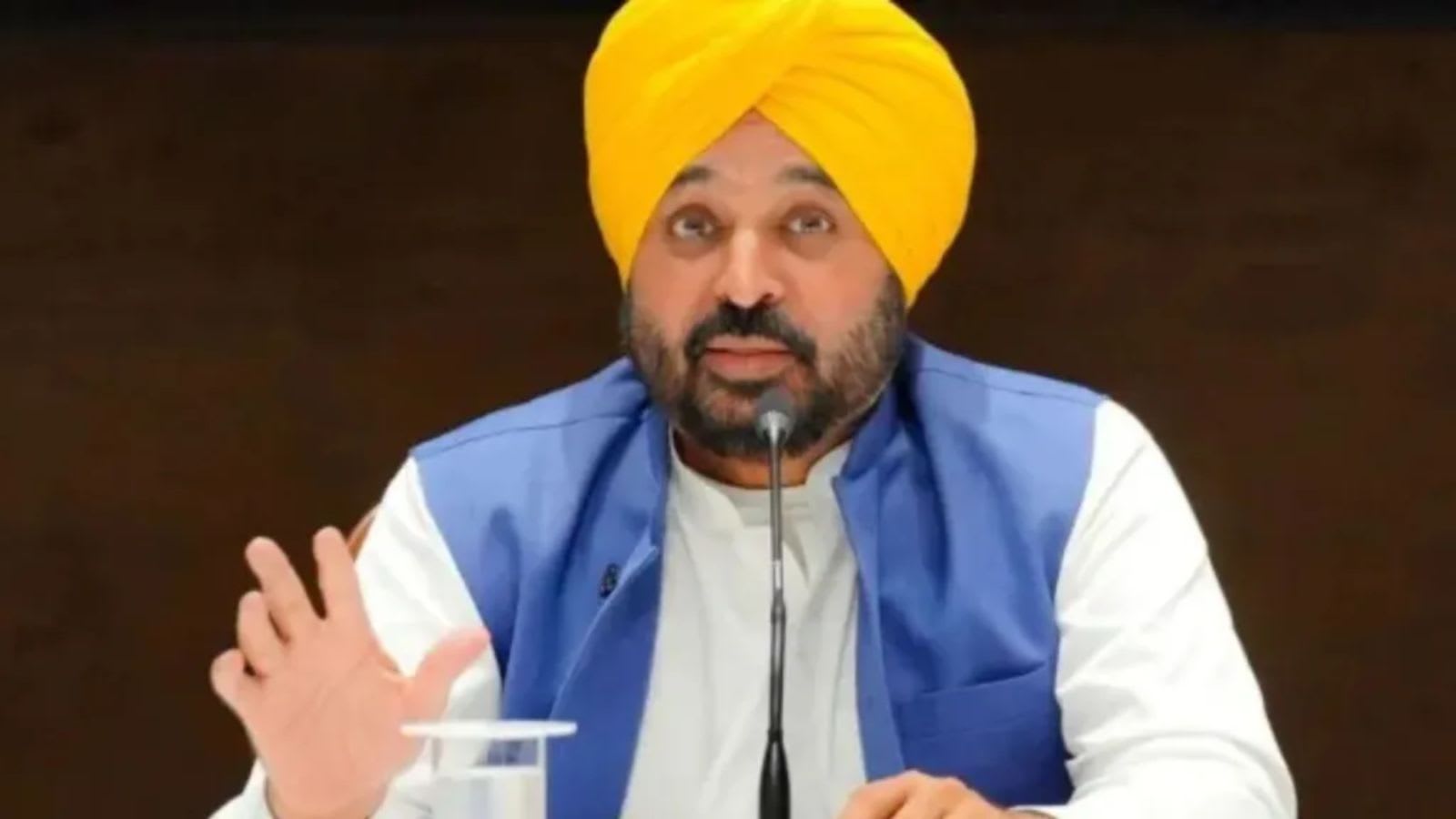
State governments in Punjab and Uttar Pradesh have announced significant salary benefits for employees ahead of the festive season. Punjab has increased DA by 40% for computer teachers and regularized non-teaching staff, while Uttar Pradesh has implemented a 3% to 5% DA hike for its state workforce.
Festive Welfare Measures: State Governments Boost Employee Benefits
As the festive season approaches, state governments in India are prioritizing the financial welfare of their workforce through significant adjustments to Dearness Allowance (DA) and regularization of services. The governments of Punjab and Uttar Pradesh have recently announced measures aimed at providing economic relief and job security to thousands of employees, reflecting a broader trend of state-level administrative support for public sector workers.
Punjab’s Targeted Support for Education Staff
In a move explicitly timed for Diwali, the Punjab government has announced a substantial 40% increase in the Dearness Allowance for 6,507 computer teachers operating under the Punjab Information and Communication Technology Education Society (PICTES). By raising the DA from 181% to 221%, Chief Minister Bhagwant Mann’s administration aims to mitigate the impact of inflation on these educators. Furthermore, the state has regularized 1,007 non-teaching employees under the centrally sponsored Samagra Shiksha program, providing long-term career stability to staff who previously faced precarious employment conditions.
Uttar Pradesh Implements State-Wide DA Hikes
Simultaneously, the Uttar Pradesh government has issued orders to increase the Dearness Allowance for its vast network of state employees. Following a 3% hike, the DA has risen from 60% to 63%, with effective retrospective application starting July 1, 2026. This mandate covers a wide spectrum of the workforce, including staff in aided educational institutions, urban local bodies, and those on UGC pay scales. Reports also indicate a concurrent 5% DA hike initiative, collectively aimed at benefiting lakhs of government employees across the state.
Economic Implications and Administrative Strategy
These decisions serve as a critical mechanism for the state to manage the inflationary pressures facing their employees. By adjusting the DA, state governments ensure that the real purchasing power of salaries remains intact. The strategic timing of these announcements—often coinciding with major festivals like Diwali—is a common political and administrative practice intended to boost morale and foster a positive relationship between the state machinery and its personnel.
Broader Trends in Public Sector Employment
These developments highlight a continuing focus on the 'regularization' of contract-based or project-specific staff. By moving employees from temporary roles to regular service, as seen in Punjab’s Samagra Shiksha initiative, state governments are responding to long-standing demands for job security. Such moves not only improve individual financial stability but also tend to increase administrative efficiency by reducing turnover and increasing employee investment in their respective public sectors.
Conclusion: Assessing the Long-term Impact
Ultimately, the actions taken by the governments of Punjab and Uttar Pradesh underscore a commitment to maintaining a motivated public sector workforce. While these hikes and regularization efforts represent a recurring budgetary commitment for the states, they are framed as essential investments in the human capital responsible for delivering public services, ranging from education to urban management. As these benefits are integrated into the November 2026 payrolls, the immediate relief provided is expected to have a tangible impact on the livelihoods of the thousands of families supported by these government institutions.