Puri temple the only ‘Jagannath Dham’: Why Odisha moved to secure trademark for names and logos
Source Entity
Sujit Bisoyi
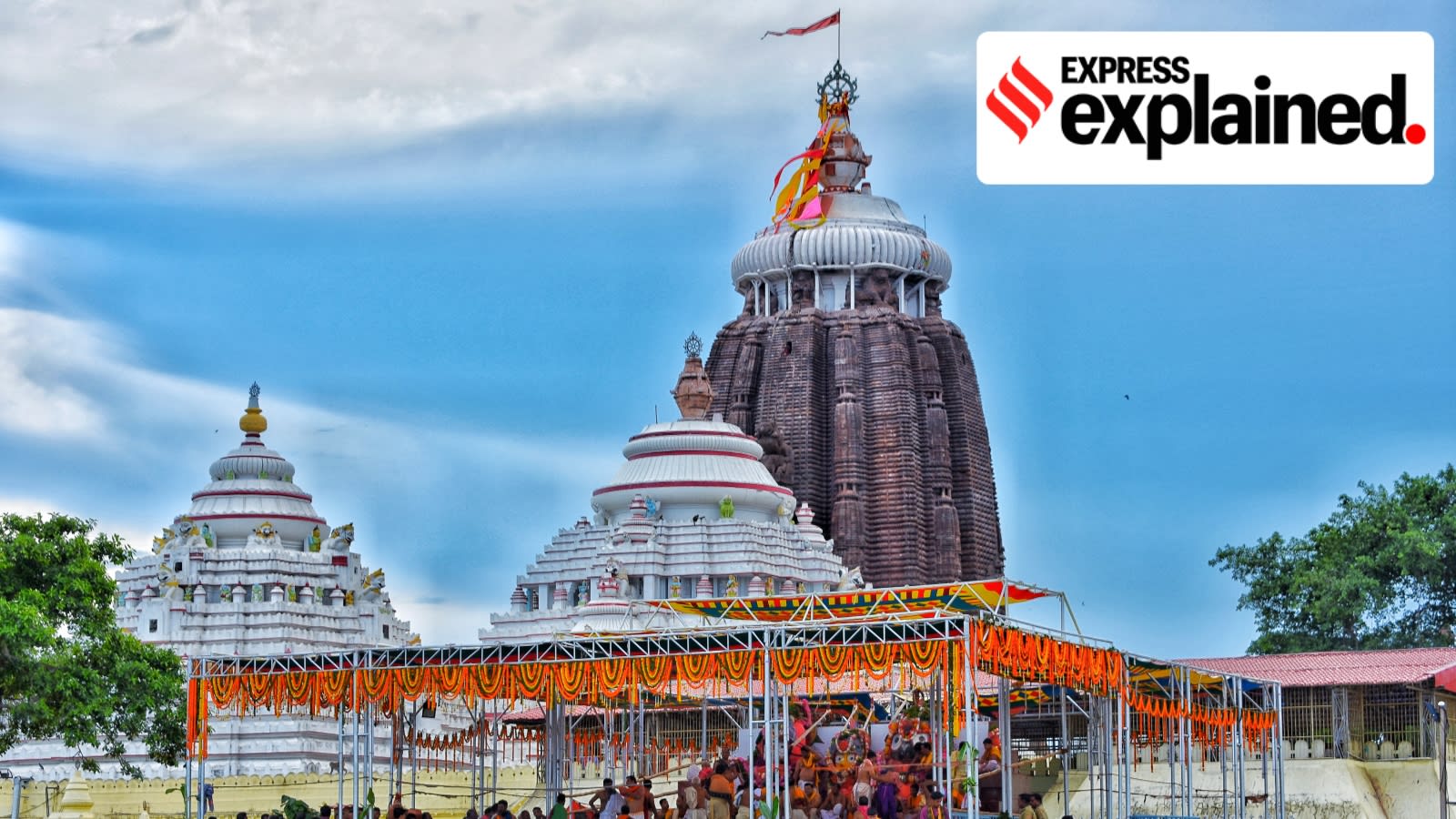
The Shree Jagannath Temple Administration (SJTA) is securing trademarks for sacred names and symbols associated with the 12th-century Puri temple. This initiative aims to protect the cultural and religious heritage of the shrine from unauthorized commercial exploitation.
Protecting Sacred Heritage: The SJTA Trademark Initiative
The Shree Jagannath Temple Administration (SJTA) has reached a significant milestone in its efforts to safeguard the religious and cultural identity of the 12th-century Puri temple. By securing the approval for five trademark applications—including "Jagannath Dham," "Shree Kshetra," and "Mahaprasad"—the administration is taking proactive steps to formalize ownership over terms intrinsically linked to this ancient spiritual site. This move signifies a shift toward modern institutional protection of intangible religious assets.
The Scope of Intellectual Property in Religion
The decision to pursue trademarks for terms like "Nilachakra" and "Koili Vaikuntha" is not merely administrative; it is a strategic defense against the dilution of sacred terminology. As these terms gain broader recognition in the commercial and spiritual marketplace, the risk of unauthorized entities co-opting them for profit increases. By filing 29 applications in total, the SJTA is establishing a legal framework that allows the temple to maintain authority over how its name and associated concepts are represented in the public domain.
Ensuring Authenticity for Devotees
For millions of devotees, the sanctity of "Mahaprasad" and the architectural identity of "Nilachakra" are central to their religious experience. Trademarking these names ensures that the temple administration can effectively challenge the misuse of these terms, which might otherwise mislead pilgrims or undermine the spiritual standards of the institution. This legal safeguard ensures that the heritage of the Puri temple remains protected from commercial misappropriation that could confuse the faithful.
Historical Context and Modern Necessity
The 12th-century temple in Puri holds a unique place in Indian history and culture, acting as a focal point for the Jagannath tradition. In an era where digital presence and commercial branding often blur the lines between genuine religious practice and opportunistic marketing, the SJTA’s actions reflect a modern necessity. Protecting these names is a way of preserving the historical integrity of the temple, ensuring that its identity remains synonymous with the official administration of the shrine rather than becoming a genericized brand.
Future Implications and Precedent
The approval of these trademarks by the Trade Marks Registry sets a vital precedent for other major religious institutions in India. As the SJTA continues to process the remaining 24 applications, the success of this endeavor will likely encourage other historical shrines to explore similar legal avenues. This movement toward institutionalized protection of religious heritage will likely shape how Indian landmarks manage their intellectual property in the coming decades, balancing traditional sanctity with modern legal rigor.
Conclusion
In summary, the SJTA’s initiative is a calculated and necessary step to preserve the sanctity of the Jagannath tradition. By securing trademarks for names deeply rooted in the temple’s history, the administration is not just managing a brand, but protecting a spiritual legacy. The successful advancement of these applications marks a positive development in the intersection of law, culture, and religious administration.