'When I needed someone, he was there': PV Sindhu recalls Kohli's role in comeback
Source Entity
TOI SPORTS DESK
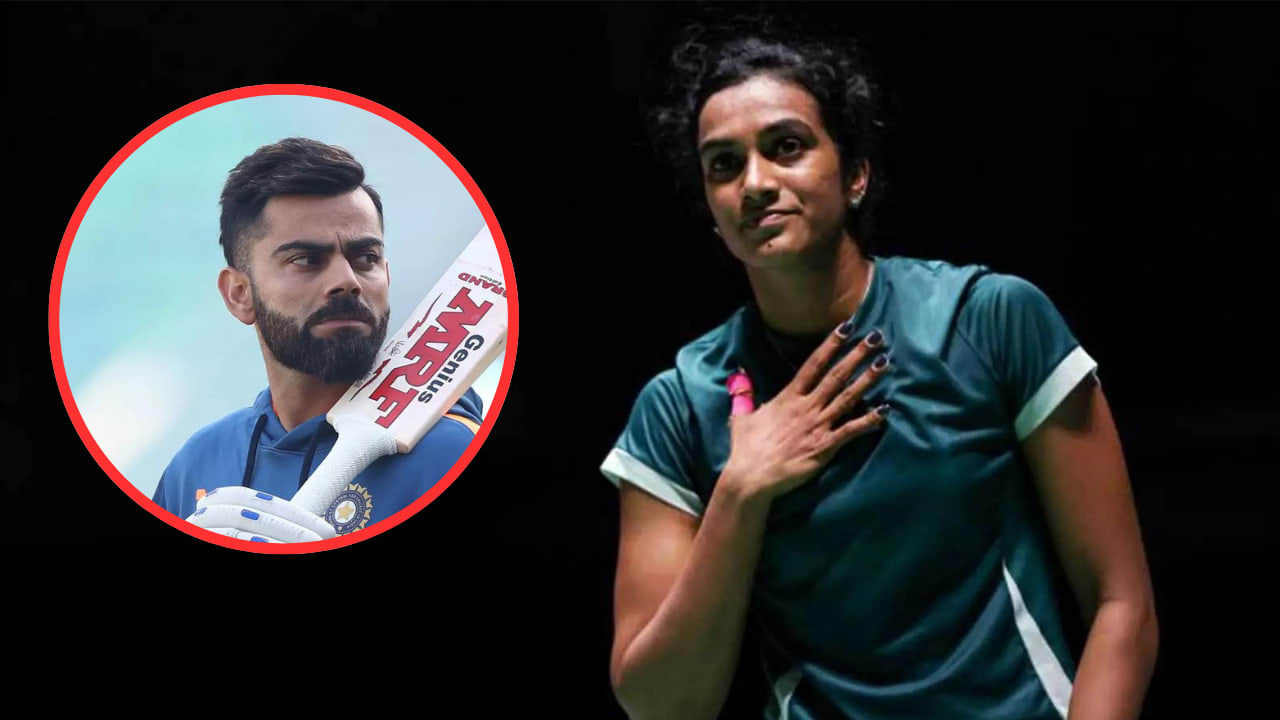
Badminton star PV Sindhu credits Virat Kohli for mental guidance during her recovery from a 2025 toe injury. This support proved pivotal in her return to elite form, culminating in a historic Japan Open title victory.
The Power of Elite Mentorship: PV Sindhu and Virat Kohli
In the high-pressure world of professional athletics, the line between career-defining longevity and premature retirement is often drawn by the quality of support systems. Recently, two-time Olympic medalist PV Sindhu revealed that a crucial conversation with Indian cricket icon Virat Kohli served as a psychological anchor during her recovery from a significant injury. In September 2025, Sindhu suffered a torn toe ligament, a career-threatening setback that forced her to abandon her season and confront the uncertainty that plagues elite athletes during long-term rehabilitation.
Navigating the Road to Recovery
The recovery process for a torn ligament is as much a mental battle as it is a physical one. Under the expert medical care of Dr. Dinshaw Pardiwala, Sindhu underwent three months of strictly enforced rest. During this period, the isolation of recovery can often lead to burnout or a loss of competitive drive. By relocating to Atlanta with her husband to undergo rehabilitation away from the intense media scrutiny of India, Sindhu was able to cultivate a private environment conducive to healing. It was within this period of isolation that the mentorship from Kohli—a veteran of his own high-profile injury cycles—provided the necessary perspective to maintain focus.
The Psychological Impact of Peer Support
Virat Kohli’s role in this comeback underscores the importance of cross-sport athlete mentorship. Athletes at the pinnacle of their respective disciplines often face unique stressors, such as public expectation and the fear of declining physical capabilities. Kohli, known for his rigorous fitness standards and mental resilience, provided Sindhu with the guidance needed to navigate the frustration of being sidelined. This support system allowed Sindhu to channel her energy into her rehabilitation program rather than succumbing to the anxiety of being away from the court.
A Historic Return to Glory
The efficacy of this recovery phase was validated on the global stage when Sindhu secured the Japan Open women's singles title. This victory was not merely a trophy; it was a testament to the success of her structured rehabilitation and the mental fortitude bolstered by her support network. By successfully returning to the top of the podium, Sindhu has demonstrated that elite performance can be sustained even after severe physical trauma, provided there is a balance between medical expertise and mental mentorship.
Broader Implications for Athlete Welfare
Sindhu’s journey highlights a growing trend in modern sports: the institutionalization of holistic athlete care. Beyond physical therapy, top-tier competitors are increasingly recognizing that mental health and mentorship are as vital as physical conditioning. As sports science continues to evolve, the integration of peer-to-peer psychological support—much like the guidance provided by Kohli—will likely become a standard component of recovery protocols for athletes looking to extend their careers in the face of inevitable physical adversity.