Why Aryan Khan never smiles in public? Raghav Juyal says Shah Rukh’s son ‘doesn’t want to fake it’
Source Entity
The Indian Express
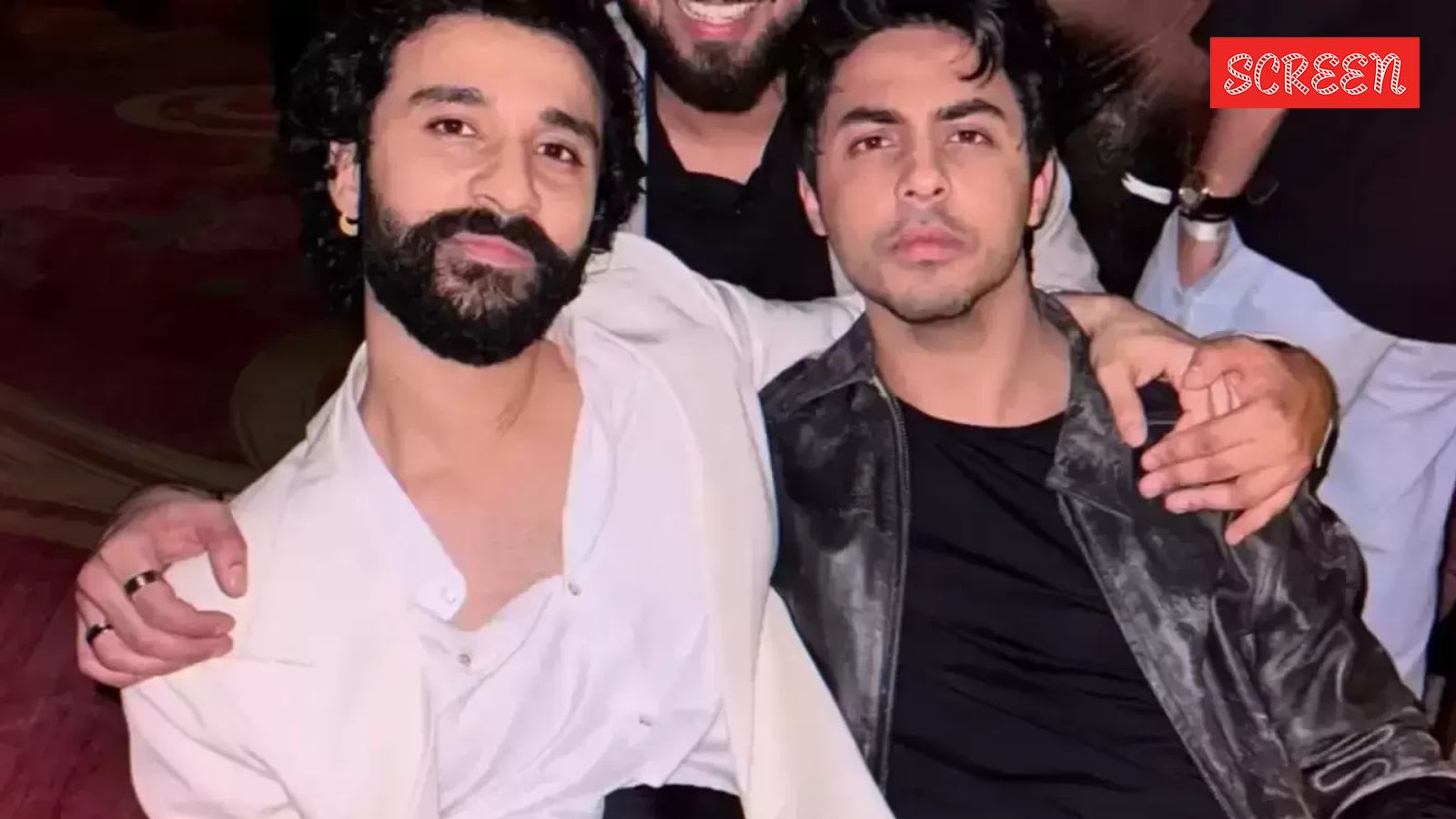
Actor Raghav Juyal has defended director Aryan Khan’s stoic public demeanor, stating that he chooses authenticity over performing for the cameras. This insight highlights the pressure public figures face to maintain a curated persona.
The Burden of Public Perception: Analyzing Aryan Khan’s Persona
In the era of hyper-visibility, the public often demands a performative version of celebrity. The recent comments made by actor Raghav Juyal regarding his collaborator and friend, Aryan Khan, offer a rare glimpse into the internal philosophy of a figure who has grown up under the relentless glare of the paparazzi. Juyal, who gained significant recognition through his work in the Netflix series Stardom (originally referenced as The Ba**ds of Bollywood*), addressed the long-standing public curiosity surrounding why the younger Khan rarely smiles during public appearances.
Authenticity as a Choice
Juyal’s defense—that Aryan simply "doesn't want to fake it"—strikes at the heart of modern celebrity culture. In an industry where public relations experts often choreograph every gesture, smile, and soundbite, the choice to remain stoic can be interpreted as a rebellion against the performative nature of fame. By refusing to manufacture a public-facing persona, Khan is effectively setting a boundary between his professional creative life and his personal identity, asserting that he does not owe the public a curated emotional response.
The Creative Shift
It is important to note that the professional dynamic between Juyal and Khan has shifted significantly. With Khan transitioning into the role of a creator and director, his public image is now being recalibrated to reflect his behind-the-camera ambitions. Juyal’s insights into Khan’s character—describing him as “incredibly creative, free-flowing, and kind”—suggest that the intensity observed in photographs is not a reflection of his personality, but rather a reflection of his serious approach to his craft and his discomfort with the artifice of celebrity.
Historical Context of Celebrity Stoicism
History is replete with stars who resisted the urge to constantly smile for the lens. From the brooding icons of mid-century cinema to modern recluses, there has always been a segment of the public who respects those who refuse to succumb to the 'happy star' trope. Aryan Khan’s refusal to conform to these expectations is consistent with a generation of creators who prioritize artistic integrity over traditional brand management.
Future Trends in Public Engagement
Looking forward, we are likely to see a trend where younger industry professionals move away from traditional PR-heavy public appearances. As social media allows for more direct, unfiltered communication, the need for 'performative' public outings may decrease. Aryan Khan’s approach serves as a case study for this shift; by choosing not to 'put on an act,' he maintains a level of mystery that, while often misinterpreted by the media, preserves his ability to function as an artist rather than just a product.
Concluding Thoughts
Ultimately, Raghav Juyal’s commentary serves as a reminder of the humanity behind the headlines. When we strip away the public’s desire for a smile, we are left with a creative individual navigating the complexities of a public life he did not choose. The defense offered by his colleague emphasizes that true authenticity is a radical act in an industry built on illusion, and it reinforces the idea that public figures should be granted the autonomy to exist in their own natural state.