What Happened After Rahul Gandhi's Remarks On Amit Shah? Inside Story
Source Entity
NDTV News Search Records Found 1000
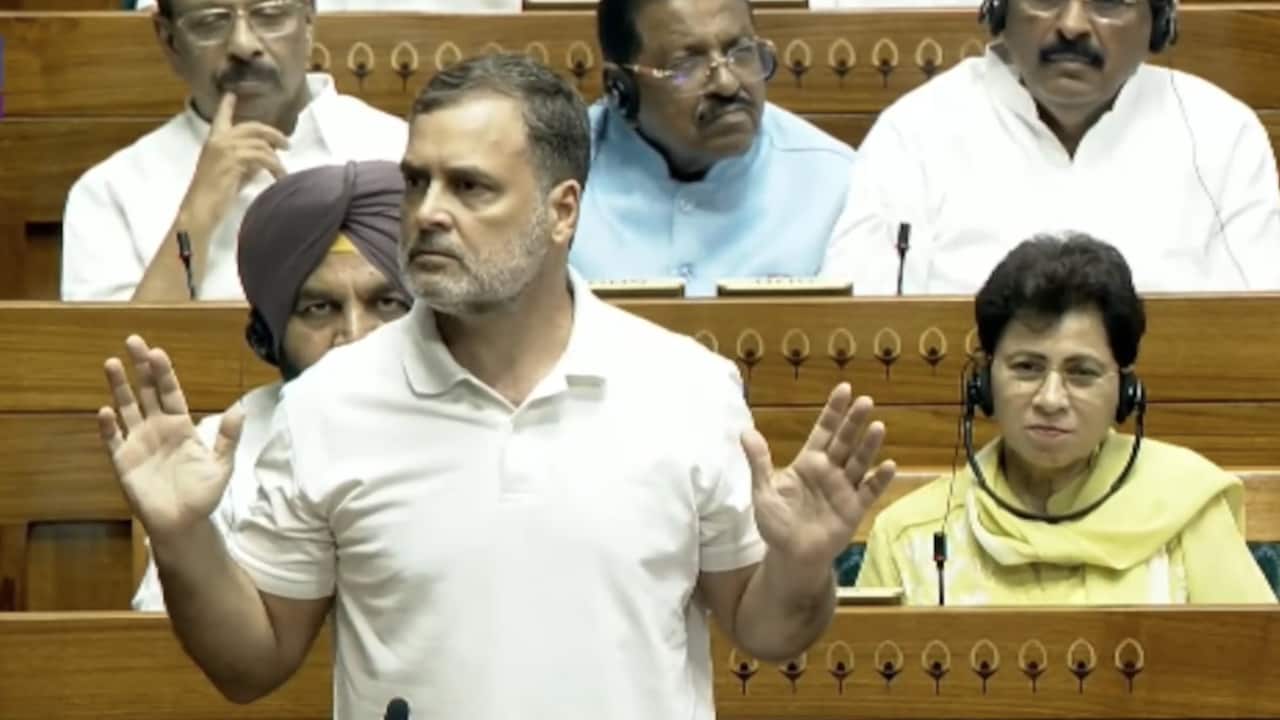
Rahul Gandhi's accusation that Amit Shah ordered police to shoot students during protests has triggered a massive uproar in the Lok Sabha. The government, led by Kiren Rijiju, has rejected these claims, citing administrative protocols and demanding an apology.
Parliamentary Uproar: Rahul Gandhi and the Allegations Against Amit Shah
The Indian political landscape witnessed a significant escalation during the current monsoon session of Parliament, as Leader of Opposition Rahul Gandhi launched a sharp critique against Union Home Minister Amit Shah. Gandhi alleged that the Home Minister personally ordered the use of force—specifically the firing of pellets—against students protesting against paper leaks during a march to Parliament on July 20. This explosive charge has placed the government on the defensive, sparking a heated battle over accountability and parliamentary conduct.
The Government’s Rebuttal and Procedural Defense
In response to these allegations, Parliamentary Affairs Minister Kiren Rijiju spearheaded the government’s counter-attack. Rijiju categorically rejected the premise that cabinet ministers issue direct orders for police force, explaining that such operational decisions are legally delegated to local authorities, such as the magistrate or Sub-Divisional Magistrate (SDM) present at the scene. By emphasizing this distinction, the government seeks to decouple the Home Ministry from the direct tactical management of law enforcement on the ground, framing Gandhi’s claims as both misleading and unparliamentary.
The Context of Student Unrest
The tension in the Lok Sabha is deeply rooted in the broader nationwide agitation regarding public examination paper leaks. Students, particularly those congregating at Delhi’s Jantar Mantar, have been vocal in their demands for systemic reform and accountability. The July 20 march to Parliament served as a flashpoint for these frustrations, culminating in a reported police crackdown. A critical piece of evidence cited by the Opposition is a entry in the Parliament Street police station's diary, which purportedly confirms the use of pellet guns against protesters, adding a layer of empirical weight to the Opposition's narrative.
The Clash of Parliamentary Conduct
Beyond the specific charges, the incident highlights a growing rift regarding the quality of legislative debate. Minister Rijiju expressed frustration that the Leader of the Opposition failed to provide substantive input on the anti-paper leak Bill itself, choosing instead to focus on inflammatory accusations. This highlights a persistent challenge in the current Lok Sabha: the difficulty of maintaining a focus on policy-making while the floor of the House remains dominated by high-stakes political skirmishes and demands for apologies.
Future Implications for Legislative Dynamics
As the monsoon session progresses, the deadlock between the Congress-led Opposition and the BJP government appears likely to intensify. The government’s insistence on an apology from Rahul Gandhi, contrasted with the Congress party’s refusal to back down, suggests that the atmosphere of confrontation will persist. This standoff threatens to overshadow the actual legislative agenda, potentially hindering the progress of crucial bills. The outcome of this specific confrontation will likely set a tone for the remainder of the session, determining whether the House can transition toward constructive debate or remain mired in partisan conflict.
Multiple Citing Sources
Verification Required?