Capt Amarinder to Rahul Gandi, why Congress returns to anti-drugs plank for Punjab polls
Source Entity
Man Aman Singh Chhina
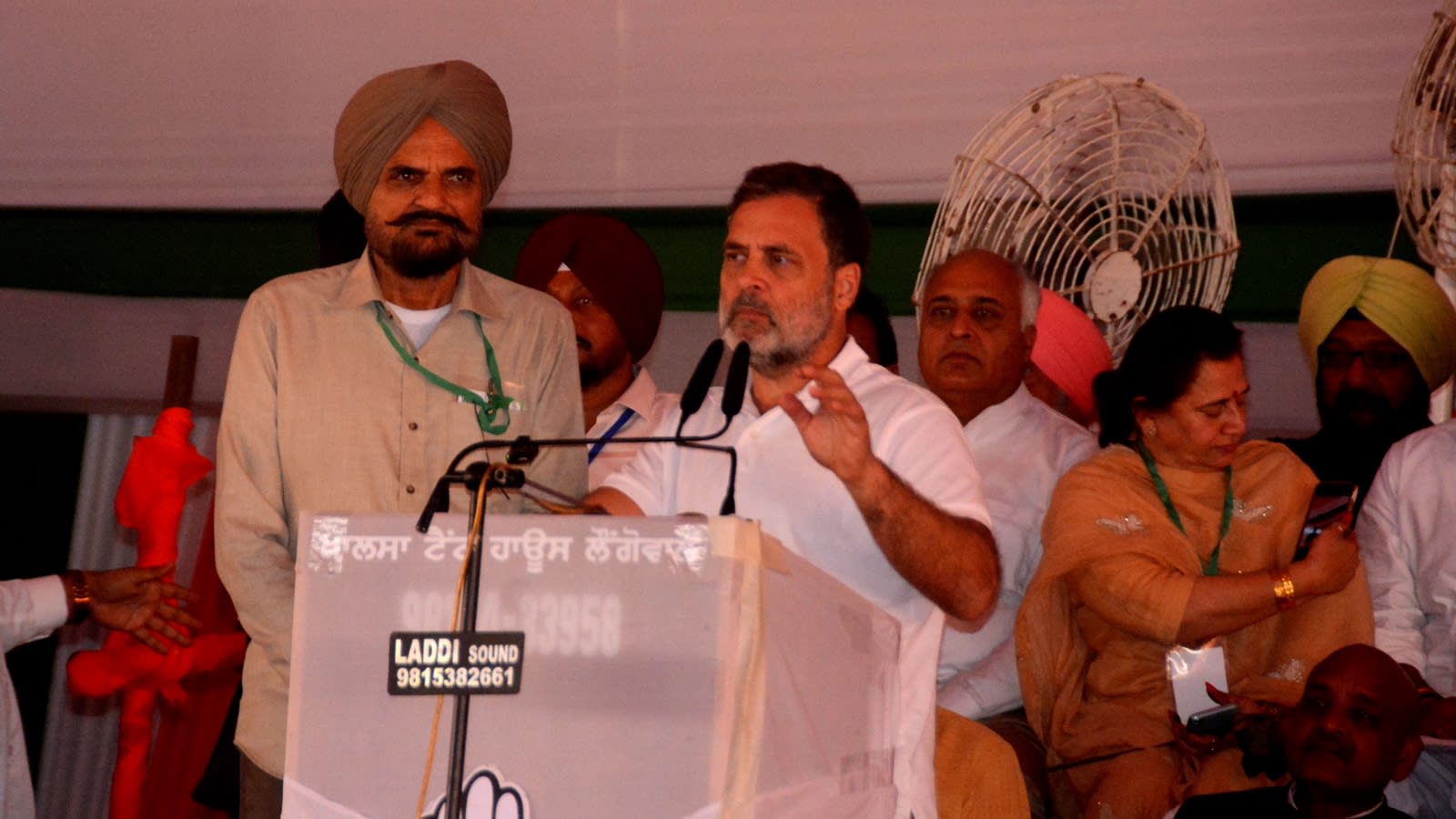
Rahul Gandhi has launched the Congress party's Punjab election campaign with an intense attack on the AAP government. He criticized CM Bhagwant Mann over the state's 'chitta' drug crisis and alleged personal misconduct, while also challenging the BJP leadership.
Congress Launches Punjab Election Campaign with 'Insaaf Rally'
Congress leader Rahul Gandhi officially sounded the poll bugle for the upcoming Punjab Assembly elections during a high-profile 'Insaaf Rally' in Sangrur on Wednesday, November 4, 2026. The rally served as a strategic platform for the Congress party to aggressively challenge the incumbent Aam Aadmi Party (AAP) government, framing the upcoming electoral contest around issues of governance, public health, and integrity.
The 'Chitta' Crisis and Historical Context
A primary pillar of Rahul Gandhi’s critique was the persistent issue of 'chitta'—a term used locally for adulterated heroin—which continues to plague Punjab. Gandhi utilized the rally to revisit his long-standing warnings regarding the state's drug menace, noting that his earlier concerns were dismissed by political rivals, specifically the BJP and the Akali Dal, years ago. By centering his campaign on this crisis, Gandhi is attempting to validate his historical foresight while simultaneously painting the current AAP administration as ineffective in curbing the flow of narcotics.
Allegations Against Chief Minister Bhagwant Mann
Beyond policy failures, the rhetoric turned deeply personal and controversial. Rahul Gandhi leveled scathing allegations against Chief Minister Bhagwant Mann, claiming that the CM smelled of alcohol as early as 11:00 AM while in Parliament. Such accusations represent a significant escalation in the political discourse, aimed at undermining the moral authority and professional conduct of the Chief Minister. This strategy appears designed to alienate voters who prioritize sobriety and discipline in state leadership.
The 'Delhi-Centric' Governance Critique
Gandhi also targeted the structural governance of the AAP, characterizing the state government as being remote-controlled from Delhi rather than operating with the autonomy required to serve the people of Punjab. This narrative of a 'Delhi-run' administration is a common opposition tactic intended to stoke regional pride and suggest that the current leadership is disconnected from the grassroots realities and unique cultural needs of Punjab.
Broader Political Implications and National Challenges
The Sangrur rally was not limited to state-level grievances. Rahul Gandhi expanded the scope of his address to include a direct challenge to Prime Minister Narendra Modi. By inviting the Prime Minister to an open debate regarding allegations that the Congress party is 'anti-national,' Gandhi is attempting to shift the national narrative and reclaim the patriotic high ground. This indicates that the Congress campaign in Punjab is being framed as an extension of a broader national ideological battle.
Future Trends and Electoral Outlook
As the Assembly elections approach early next year, the intensity of these exchanges suggests a highly polarized electoral environment. The Congress party’s focus on the 'Insaaf' (Justice) theme indicates they will likely continue to emphasize accountability, linking the drug crisis to the state's perceived failure of governance. With the presence of top leadership like Mallikarjun Kharge and Sachin Pilot at the rally, it is clear that the party is positioning Punjab as a critical battleground that could influence the national political trajectory.
Multiple Citing Sources