Rajasthan should get the next NIMHANS. Here’s why that isn’t special pleading
Source Entity
Latest News: Todays Latest News Headlines from India & World | Hindustan Times | Hindustan Times
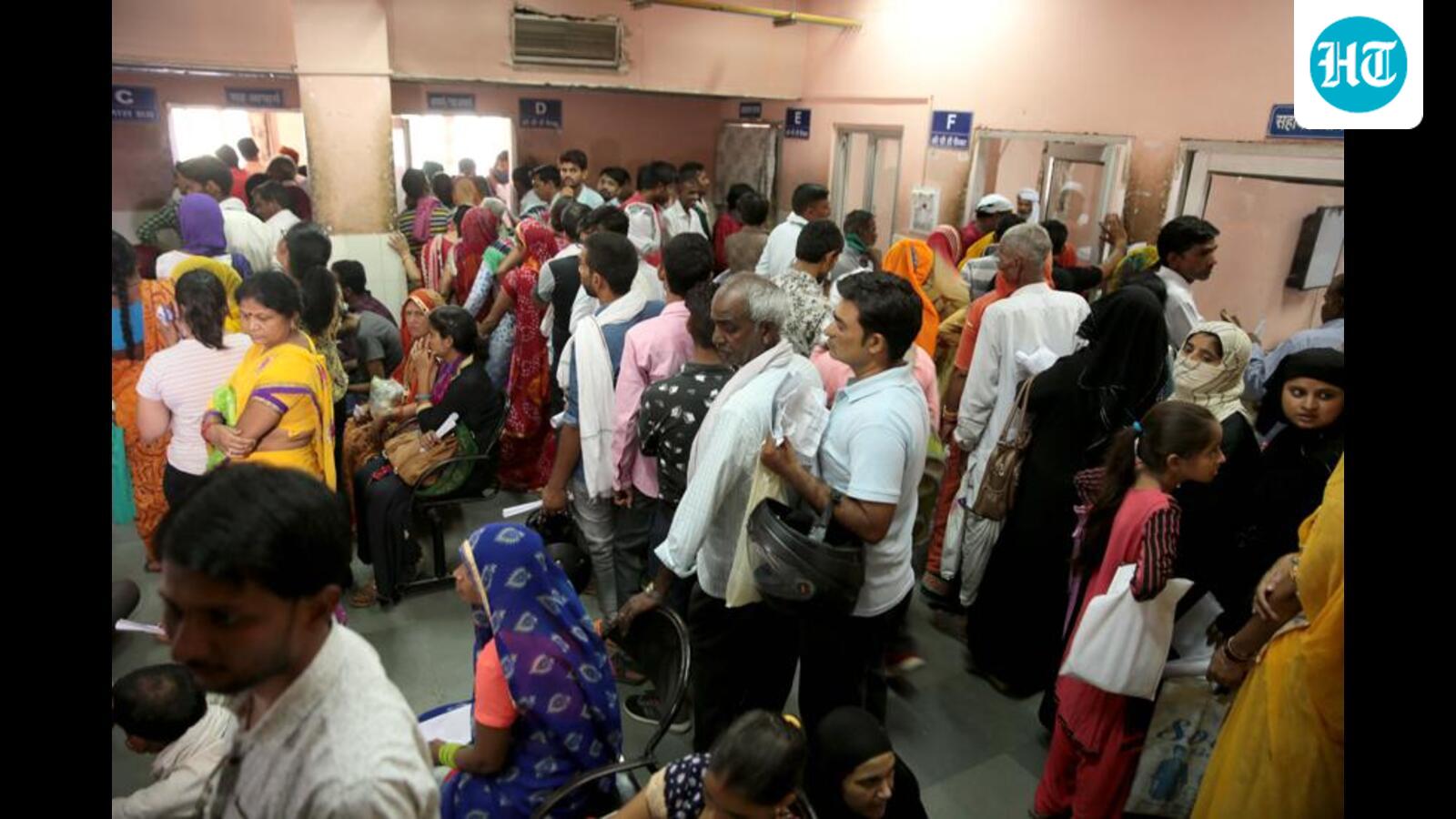
The Union Budget 2026-27 proposes a new NIMHANS campus in North India to address the critical mental health treatment gap. Rajasthan is being considered as a prime candidate due to its population size and geographical requirements, though experts emphasize that such centers must support local infrastructure rather than centralizing care.
Addressing India's Mental Health Crisis: The Case for a New NIMHANS
The announcement in the 2026-27 Union Budget regarding the establishment of a second National Institute of Mental Health and Neurosciences (NIMHANS) campus in North India marks a pivotal moment in the nation's public health strategy. With the original institution in Bengaluru serving as a gold standard for psychiatric and neurological care, the decision to expand this capacity to the north acknowledges a significant regional imbalance in specialized medical infrastructure.
The Stark Reality of the Treatment Gap
The urgency for this expansion is underscored by the National Mental Health Survey, which reveals a staggering 84.5% treatment gap for mental disorders across India. When fewer than one in six individuals with a diagnosable condition receives any form of professional intervention, the system is not merely strained—it is failing a vast portion of the population. For common conditions like depression and anxiety, this gap exceeds 85%, reflecting an acute lack of resources that is exacerbated by a severe shortage of human capital; India currently has only 0.75 psychiatrists per 100,000 people, falling well below the World Health Organization’s recommended threshold.
Why Rajasthan Stands Out
Rajasthan, as India’s largest state by area, presents a compelling case for hosting this new facility. With a population exceeding 80 million, the state’s scale necessitates a high-level institution that can act as a regional hub for research, training, and complex care. While Rajasthan already hosts numerous medical colleges, these institutions often lack the specialized psychiatric and neurological focus that a dedicated NIMHANS campus would provide. The argument for Jaipur is not merely about prestige, but about logistical viability for a massive, geographically dispersed population.
Moving Beyond Centralized Care
Critics of regional "special pleading" argue that building a center in a capital city like Jaipur does little for a patient in remote areas like Barmer. However, the expert consensus suggests that a new NIMHANS should not be viewed as a destination for every patient, but as a 'hub-and-spoke' model. By training local practitioners and developing tele-mental health protocols, the institute can extend its reach far beyond its physical walls, effectively reducing the distance between the patient and the specialist.
Strategic Implementation and Future Trends
For this initiative to succeed, the government must move beyond the construction of buildings and focus on the integration of mental health into primary healthcare systems. Future trends indicate that the success of such an institute will be measured by its ability to mentor district-level facilities and improve the ratio of psychiatrists per capita. By positioning this campus in the north, the government creates a structural backbone for mental health policy, potentially setting the stage for a more decentralized and accessible care network across the entire country.
Verification Required?