Govt clears path for India Inc to get hands on DRDO missile tech; what it means
Source Entity
AYUSH PANDEY
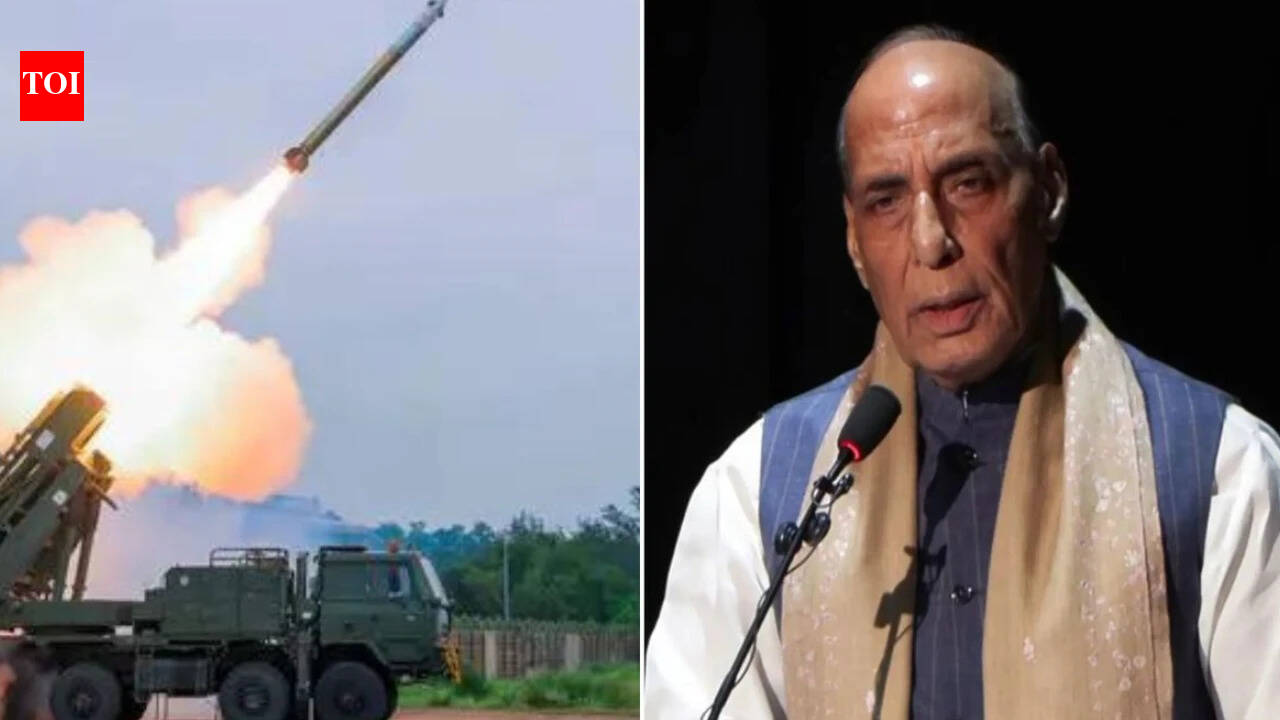
Defence Minister Rajnath Singh has authorized the transfer of DRDO-developed conventional missile technologies to domestic firms. This initiative aims to bolster indigenous manufacturing, reduce import reliance, and integrate MSMEs into the defence supply chain.
A Strategic Shift in India's Defence Industrial Base
Defence Minister Rajnath Singh has initiated a significant policy shift by approving the transfer of technology (ToT) for all conventional missile systems developed by the Defence Research and Development Organisation (DRDO) to Indian private sector companies. This directive marks a departure from traditional state-led production models, signaling a broader government strategy to decentralize manufacturing and foster a robust, indigenous defence ecosystem. By allowing eligible Indian firms to undertake the production of these complex systems, the Ministry of Defence is effectively bridging the gap between laboratory research and large-scale industrial output.
Accelerating Indigenous Manufacturing
The primary objective behind this policy is the acceleration of indigenous missile manufacturing capabilities. Historically, the transition from successful R&D to mass production has been a bottleneck for the Indian defence sector. By enabling private industry to assume the manufacturing mantle, the government intends to streamline the supply chain and ensure that state-of-the-art missile systems reach the armed forces with greater efficiency. This move is not merely about production volume; it is about creating a sustainable domestic framework that can scale rapidly in response to regional security requirements.
Reducing Import Dependence
India has long been one of the world's largest importers of defence equipment. This new policy directly addresses the strategic imperative to achieve self-reliance, or 'Atmanirbhar Bharat.' By empowering local industries to produce sophisticated missile technology, India aims to reduce its reliance on foreign military hardware. This shift is critical for long-term national security, as it insulates India from the complexities of global supply chains and potential geopolitical pressures that often accompany imported defence solutions.
Integrating MSMEs into the Ecosystem
A notable aspect of this directive is the explicit inclusion of micro, small, and medium enterprises (MSMEs) in the defence supply chain. By lowering the barriers to entry and providing access to high-end DRDO technologies, the government is fostering an inclusive industrial environment. This democratization of the defence sector encourages innovation and specialization, allowing smaller players to contribute high-quality components and systems, thereby strengthening the overall resilience of the Indian defence industrial base.
Establishing Industry Standards and Quality
While the transfer of technology is a major step forward, the Ministry of Defence has emphasized that this process remains subject to rigorous qualifications and certifications. This ensures that as production shifts to private entities, the high standards required for weapon systems are maintained. The process is being positioned as an 'important milestone' in the transition from development to industrial production, ensuring that commercial entities adhere to the stringent safety and performance benchmarks established by the DRDO.
Future Trends and Strategic Outlook
This policy represents a 'big reset' in how India approaches military technology. Instead of viewing the defence industry through the lens of individual product launches, the focus has shifted to the systemic architecture of production. In the coming years, we can expect to see a more interconnected network of public-private partnerships. As these domestic firms gain experience in manufacturing conventional missile systems, they will likely become more competitive on the global stage, potentially paving the way for India to transition from a major importer to a significant exporter of missile technology, fundamentally altering its position in the global security landscape.
Multiple Citing Sources