'Govt can track missiles, not exam papers?': Abhishek Banerjee attacks govt| Leak bill| Parliament
Source Entity
Latest News: Todays Latest News Headlines from India & World | Hindustan Times | Hindustan Times
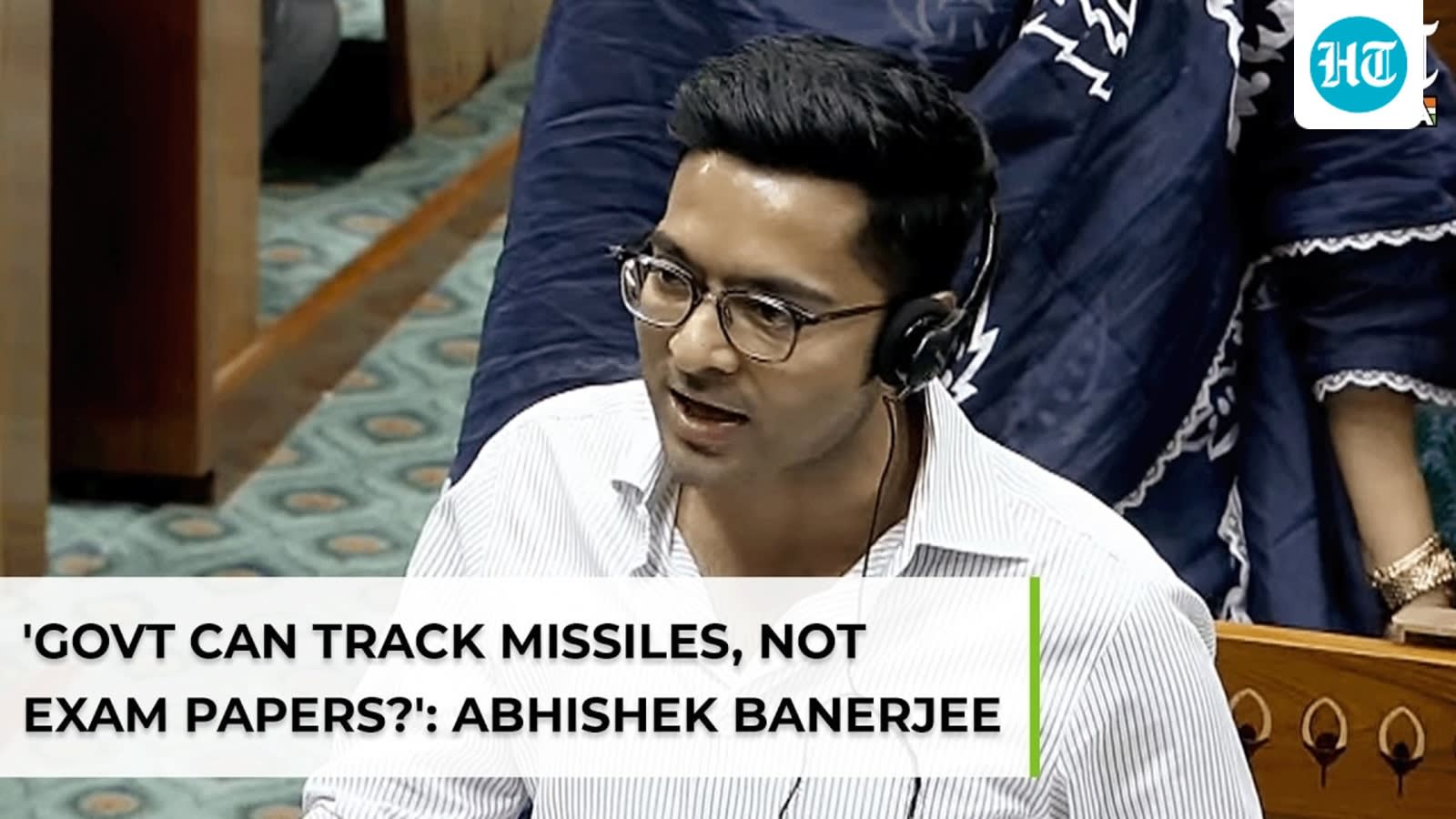
The Indian Parliament faces significant disruption as the Opposition demands an apology from Home Minister Amit Shah over police action against student protesters. Simultaneously, the government has introduced a stringent anti-paper leak bill in the Lok Sabha, proposing harsher penalties to address student grievances.
Parliamentary Gridlock and Legislative Reform in India
The Current Legislative Impasse
The monsoon session of the Rajya Sabha has reached a critical stalemate, remaining adjourned for the sixth consecutive day as of July 27, 2026. The paralysis stems from a direct confrontation between the government and the Opposition. The primary point of contention is the demand for an apology from Union Home Minister Amit Shah regarding the police response to student protests that occurred on July 20. This legislative standstill has prevented the Upper House from transacting any business, including the consideration of the Prevention of Insults to National Honour (Amendment) Bill, 2026.
The Catalyst: Student Protests and Political Fallout
The unrest in the Parliament is inextricably linked to nationwide student protests regarding examination integrity. The Cockroach Janta Party (CJP) has been instrumental in leading these demonstrations, which have already resulted in the resignation of Union Education Minister Dharmendra Pradhan. The political pressure generated by these protests has forced the government to pivot toward legislative action, specifically aiming to reform the regulatory framework surrounding public examinations.
Strengthening the Anti-Paper Leak Framework
In response to the mounting pressure, the government introduced the Public Examinations (Prevention of Unfair Means) Amendment Bill, 2026, in the Lok Sabha. Moving the bill, Minister of State for the Prime Minister’s Office, Jitendra Singh, characterized the legislation as a reaffirmation of the government's commitment to student welfare. The proposed amendments seek to significantly enhance the stringency of the existing two-year-old law, reflecting an urgent need to restore public trust in the examination system.
Key Provisions and Legal Stringency
The proposed legislation marks a major shift in how India handles examination malpractice. It introduces a 10-year prison term and a fine of Rs 50 lakh for those convicted of involvement in paper leaks. Furthermore, the bill aims to expedite the judicial process by placing a two-month cap on investigations and providing statutory backing for fast-track courts. These measures are designed to act as a potent deterrent against the systemic issues that have historically plagued public examinations.
Broader Implications and Future Outlook
The ongoing disruption in the Rajya Sabha highlights the deepening divide between the ruling coalition and the Opposition. While Minister Kiren Rijiju has urged the Congress to facilitate discussion on pending bills, the Opposition remains firm in its demand for accountability regarding the July 20 police crackdown. The future of the legislative agenda remains uncertain, as the government attempts to balance the urgent need for structural reform in the education sector with the escalating political tensions within the chambers of Parliament.
Multiple Citing Sources
Verification Required?