Upper hand to back foot: How BJP narrative took a hit in Monsoon Session
Source Entity
Liz Mathew
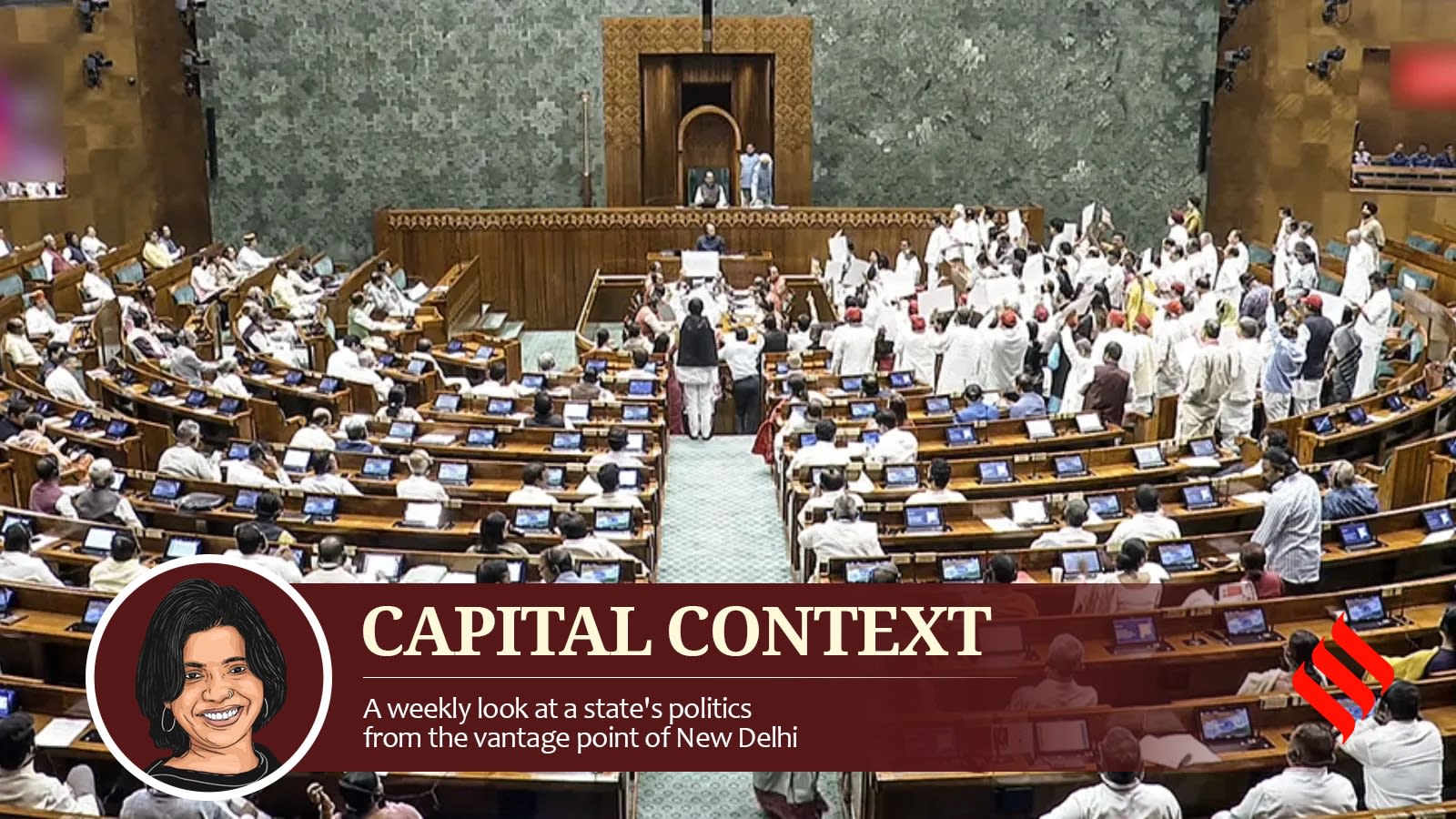
The Rajya Sabha Monsoon Session concluded with a dismal 39% productivity rate due to persistent disruptions. Chairperson C.P. Radhakrishnan expressed deep regret, noting that legislative progress was hampered by student protests and political controversies.
The Decline of Parliamentary Productivity: A Post-Mortem of the Monsoon Session
The conclusion of the 271st Session of the Rajya Sabha marks a concerning chapter in contemporary Indian legislative history. With Chairperson C.P. Radhakrishnan expressing "deep concern" over the proceedings, the session has highlighted a growing chasm between the constitutional mandate of the Upper House and the reality of its daily operations. Recording a productivity rate of only 39%, the session serves as a stark reminder of the challenges facing institutional decorum in the world's largest democracy.
The Impact of External and Internal Friction
The legislative agenda, which initially aimed to address significant reforms including amendments to the Foreign Contribution Regulation Act (FCRA) and the Delimitation Bill, was effectively gridlocked. The disruption was not merely a product of procedural disagreements but a collision between the government’s ambitious legislative goals and a volatile external environment. The "perfect storm" described by observers was fueled by student-led protests and widespread opposition outcry regarding the Ram Temple donation scam, which effectively paralyzed the floor of the House.
The Erosion of Legislative Utility
Beyond the specific protests, there is a systemic issue at play. As noted by various political commentators, there has been a shift in how Members of Parliament engage with the legislative process. The trend of "gaming" the system—where disruption is utilized as a tactical political tool—has become increasingly common. While the government sought to move forward with a full agenda, the reliance on obstructionist tactics by various factions has reduced the Rajya Sabha to a venue for performative politics rather than substantive deliberation.
Historical Context and Democratic Traditions
The Monsoon Session is traditionally a period of intense legislative activity, yet the recurring theme of sessions being "washed out" has become a predictable, albeit tragic, cliché. When the Chairperson urges members to uphold the "highest traditions of Indian democracy," it is a call for a return to a culture of debate. Historically, the Rajya Sabha was designed as a house of review, intended to provide a sober second look at legislation; however, when productivity drops to 39%, that foundational purpose is severely compromised.
Future Trends and the Path Forward
Looking ahead, the failure to pass critical legislation like the Delimitation Bill signals a potential long-term bottleneck in India’s administrative and electoral reform processes. If the trend of prioritizing protest-driven disruption over parliamentary debate continues, the legislative efficacy of the government will remain in a state of suspended animation. The path forward requires a re-evaluation of parliamentary conduct by all political stakeholders to ensure that the voice of the people, which Mr. Radhakrishnan noted was underutilized, is heard through policy rather than disorder.
Conclusion
The adjournment of the Rajya Sabha sine die serves as both an end to a tumultuous session and a warning for the future. While 12 Bills were successfully processed, the shadow cast by the 39% productivity rate is significant. For the Indian Parliament to regain its status as a productive legislative body, members must transcend the current "swagger" of obstructionism and return to the rigorous, orderly debate that serves the interests of the nation.
Multiple Citing Sources