Trump health update: Dick Cheney's doctor raises new questions on Trump's bruises, swelling and alertness
Source Entity
Latest News: Todays Latest News Headlines from India & World | Hindustan Times | Hindustan Times
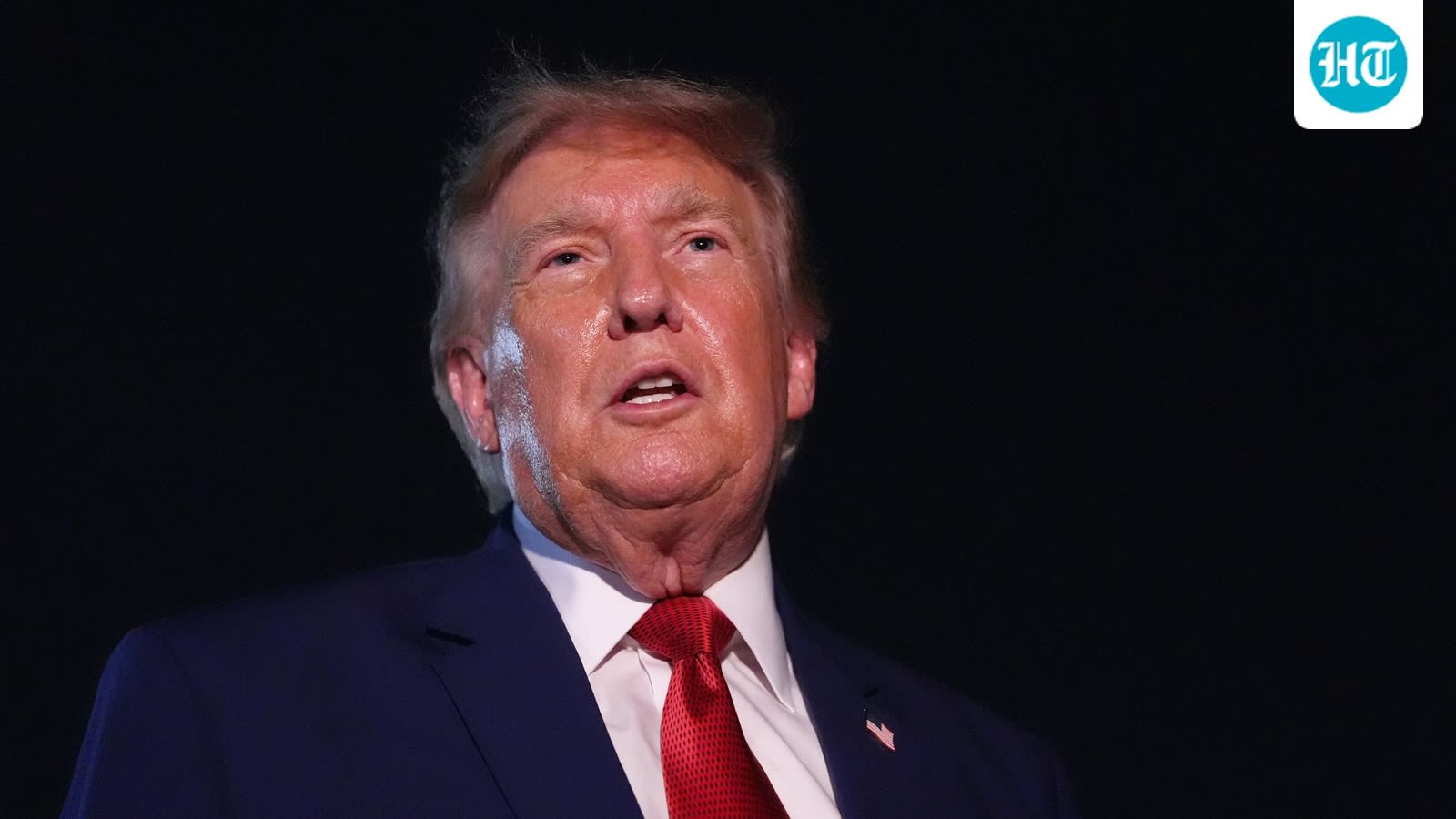
Dr. Jonathan Reiner has publicly questioned the White House's assessment of Donald Trump's health, citing visible concerns like bruising and swelling. He advocates for greater transparency regarding the President's physical condition.
Examining Presidential Health Transparency
Recent discourse regarding the health of former President Donald Trump has been reignited by Dr. Jonathan Reiner, a prominent cardiologist known for his long-term treatment of former Vice President Dick Cheney. In an opinion piece published in The New York Times, Dr. Reiner challenged the official narratives provided by the White House, which have consistently maintained that the President remains in excellent health. This inquiry highlights a recurring tension between the executive branch's desire for privacy and the public's perceived right to know about the physical well-being of a world leader.
Clinical Observations and Public Concern
Dr. Reiner’s analysis centers on specific, observable physical traits that he argues warrant further clarification. He pointed to visible bruising on the President’s hands and swelling in his legs as symptoms that could potentially indicate underlying medical issues. Furthermore, he referenced instances where the President appeared to struggle with alertness or maintaining wakefulness. While Dr. Reiner explicitly clarified that he is not the President’s physician and has not performed a formal diagnosis, his professional background lends significant weight to his call for a more thorough public explanation.
The Historical Precedent of Medical Disclosure
Historically, the transparency of presidential health has fluctuated, often shaped by the prevailing political climate and the severity of the medical conditions in question. From the concealment of Grover Cleveland’s cancer surgery to the more modern standards of health reporting, the balance between an individual’s medical privacy and the requirements of the office is a delicate one. Dr. Reiner’s intervention serves as a reminder that in an age of constant media scrutiny, even minor physical observations can become focal points for national debate regarding a leader’s fitness for duty.
Implications for Executive Communication
This debate underscores the broader implications for how the executive branch communicates health-related information to the public. When independent medical experts like Dr. Reiner challenge official statements, it often leads to a credibility gap. The White House’s insistence on the President's excellent health, contrasted with the visual evidence cited by outside experts, creates a narrative environment where speculation can flourish, potentially undermining public trust in official medical briefings.
Future Trends in Health Reporting
As medical technology and public expectations evolve, it is likely that the demand for transparency regarding the physical and cognitive health of high-ranking officials will only increase. Future administrations may find it necessary to adopt more rigorous and perhaps more frequent reporting standards to preempt the kind of skepticism raised by Dr. Reiner. The ongoing conversation about President Trump's health is a case study in how medical observation and political discourse intersect in the modern era.
Conclusion
Ultimately, Dr. Jonathan Reiner’s questions serve to emphasize the importance of accountability in the highest office. While medical privacy remains a fundamental right, the unique nature of the presidency necessitates a level of clarity that satisfies the public interest. Whether or not these specific health concerns represent significant medical issues, the discourse surrounding them highlights a permanent shift toward greater scrutiny of presidential wellness.
Verification Required?