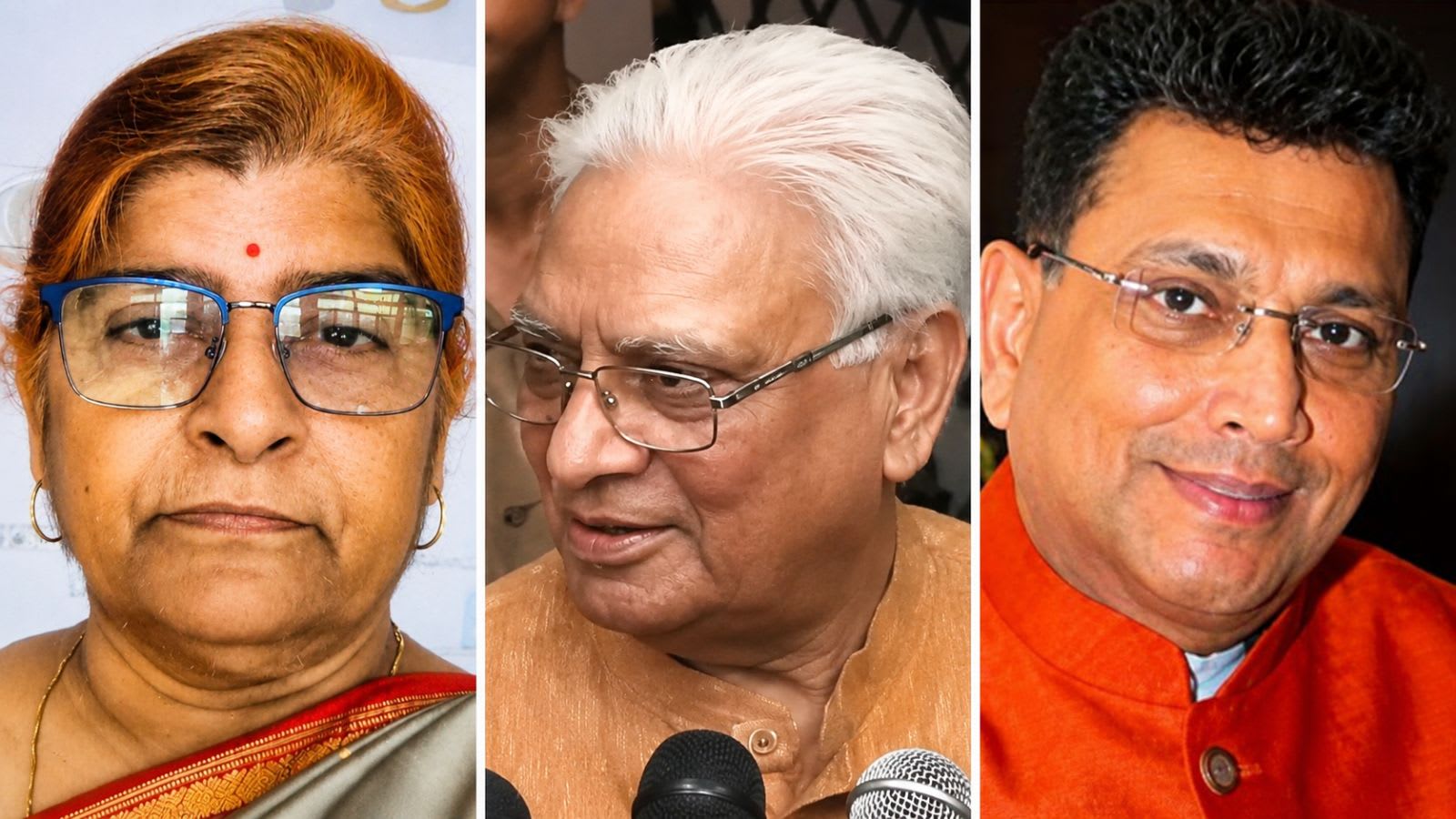
Woman professor, Ayodhya lawyer, Delhi businessman: Meet the new Ram Temple trustees
Source Entity
Maulshree Seth
The Shri Ram Janmabhoomi Teerth Kshetra Trust is set to appoint its first CEO following a major administrative overhaul. This transition comes in response to internal scrutiny and leadership resignations sparked by allegations of donation theft.
Transitioning Management at the Ram Janmabhoomi Trust
The Shri Ram Janmabhoomi Teerth Kshetra Trust (SRJTKT) is currently navigating a pivotal administrative transition. As of September 1, 2026, a search committee has finalized a shortlist of three candidates for the newly created position of Chief Executive Officer (CEO). This appointment marks a significant shift in how the Ayodhya temple is managed, moving toward a more professionalized executive structure to oversee daily operations and financial oversight.
The Catalyst: Addressing Financial Irregularities
The impetus for this structural change is rooted in a recent period of intense scrutiny regarding the financial integrity of the Trust. Allegations involving the theft of offerings and broader irregularities in donation management necessitated a total re-evaluation of internal controls. The gravity of these claims prompted law enforcement intervention, resulting in the arrest of eight individuals linked to the incidents, and signaled a clear demand for greater institutional accountability.
Leadership Reshuffle and Accountability
In the wake of these controversies, the Trust initiated a significant purge of its leadership ranks. High-profile figures, including former general secretary Champat Rai and trustee Anil Mishra, stepped down from their respective positions. These departures were not merely symbolic; they represented a fundamental effort to distance the organization from the previous management failures and to restore public confidence in the stewardship of the temple's resources.
Professionalization of Temple Administration
The decision to create the CEO post, announced on July 6, 2026, reflects a modernizing trend in the governance of major religious institutions in India. By sourcing candidates from both the government and private sectors, the Trust is attempting to bring external expertise into a role that requires a balance of administrative acumen, financial transparency, and sensitivity to the cultural significance of the site. The upcoming meeting on September 2, 2026, will be the decisive moment in this institutional pivot.
Broader Implications and Future Governance
Beyond the appointment of a CEO, the Trust is also in the process of inducting three new members to bolster its board, with names such as Madan Mohan Pandey, Nirmala Yadav, and Mahesh Bhagchandka reportedly under consideration. This dual approach—professional executive management paired with a refreshed board—suggests a strategic effort to stabilize the organization. Moving forward, the success of this new leadership will be measured by their ability to implement rigorous audit protocols and maintain the sanctity of the temple’s financial contributions, thereby ensuring that the Trust remains resilient against future internal threats.
Multiple Citing Sources