CM announces ₹1,850-cr for road repairs in Chennai and other urban areas
Source Entity
India Latest News: Top National Headlines Today & Breaking News | The Hindu
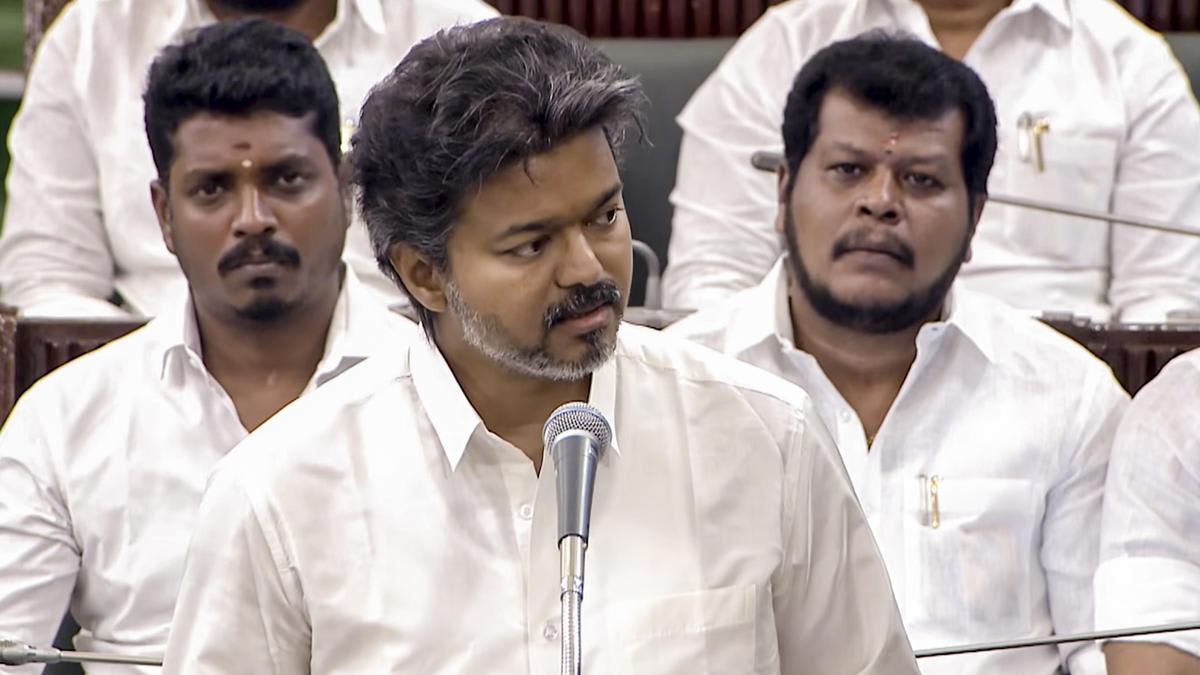
Tamil Nadu Chief Minister C. Joseph Vijay has announced the withdrawal of cases against farmers and teachers from the previous DMK regime, citing humanitarian and democratic principles. Alongside this, the government unveiled massive infrastructure investments, including drinking water, sewage, and waste-to-energy projects.
A Shift in Democratic Governance: Tamil Nadu's Policy Reset
In a significant political development, Tamil Nadu Chief Minister C. Joseph Vijay announced the withdrawal of legal cases filed against farmers and teachers during the previous DMK regime (2021–2026). Delivered as a suo motu statement in the Assembly, this decision marks a deliberate attempt by the TVK government to reset the state's relationship with civil society and marginalized groups who were previously embroiled in legal battles while exercising their right to peaceful protest.
Addressing Livelihood and Rights
The Chief Minister specifically highlighted the humanitarian grounds for this decision, noting that many of these cases involved individuals fighting for their basic livelihood and welfare. Of particular concern was the use of the Goondas Act against farmers in Tiruvannamalai who were protesting the acquisition of their ancestral lands for a SIPCOT industrial park. By dropping these charges, the government is signaling a departure from the previous administration's aggressive legal stance on land acquisition and civic dissent.
Political Backlash and Accountability
Predictably, the move has ignited a fierce political showdown. While the decision was welcomed by allies, opposition members—led by DMK whip E.V. Velu—have questioned the government's intent. The opposition has challenged the administration to extend the same relief to protesters who have been booked since the new government assumed power, suggesting that the current move may be a selective act of political optics rather than a comprehensive policy reform.
Infrastructure and Urban Development
Beyond the legal amnesty, the government’s announcement included a robust push for state-wide infrastructure development. The Chief Minister announced a ₹1,000-crore package to bolster drinking water supplies in Madurai, Cuddalore, and several municipalities. Furthermore, the administration is prioritizing the modernization of urban utilities, including a ₹1,400-crore project to replace 40-year-old underground sewage lines in Madurai, reflecting a long-term commitment to public health and urban sanitation.
Sustainability and Future Outlook
Sustainability is at the heart of the government's new fiscal planning. The announcement of waste-to-energy projects in Tirunelveli and Salem, alongside a massive ₹4,800-crore desalination plant in Minjur, demonstrates a shift toward climate-resilient infrastructure. By addressing both the social grievances of the past and the environmental challenges of the future, the TVK government is attempting to build a platform based on both populist reconciliation and modern developmental goals.
Conclusion
The decision to drop cases against farmers and teachers serves as a litmus test for the Vijay administration’s commitment to democratic norms. While the infrastructure projects provide a tangible boost to the state's economy and living standards, the success of this political pivot will ultimately depend on whether the government can maintain a consistent standard for civil liberties across all political cycles, ensuring that the 'humanitarian' approach applied to the previous regime's cases becomes the standard for the future.
Verification Required?