Residents block road seeking removal of tree in Gobichettipalayam
Source Entity
India Latest News: Top National Headlines Today & Breaking News | The Hindu
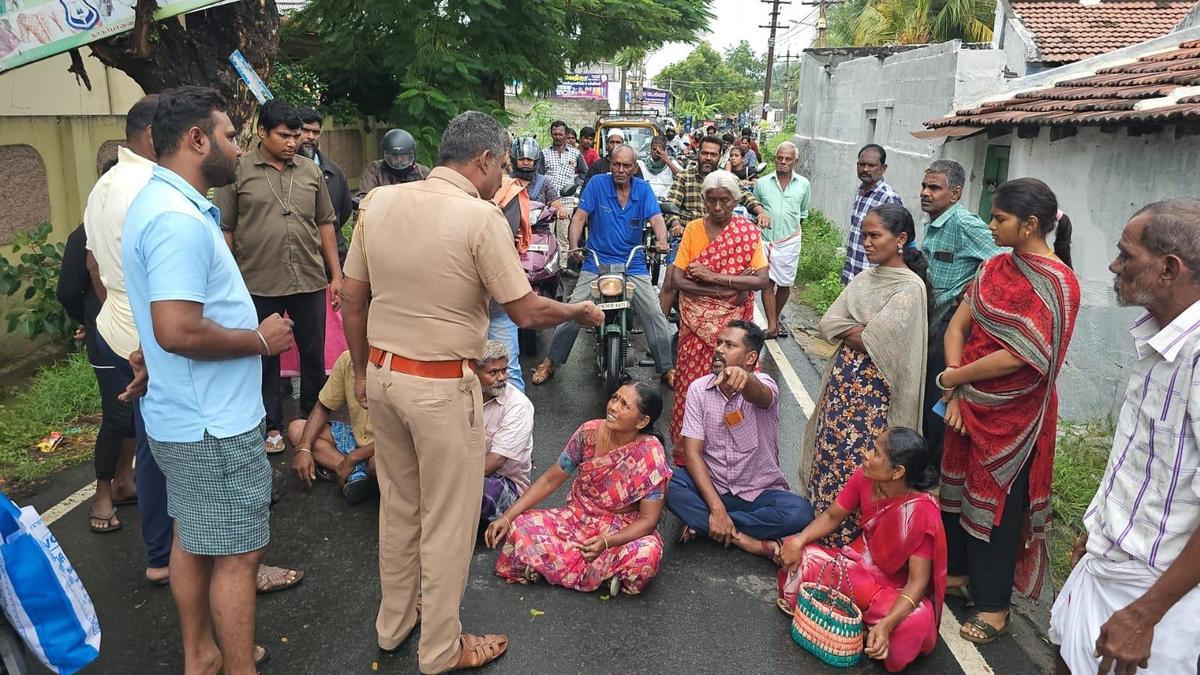
Residents in Gobichettipalayam and Arakkonam staged separate road blockades on October 24, 2026, to demand the removal of a hazardous tree and the clearing of public pathways. Local authorities have been notified of these grievances regarding infrastructure safety and accessibility.
Infrastructure Protests Highlight Local Governance Challenges
On October 24, 2026, residents in two distinct regions of Tamil Nadu took to the streets to demand urgent infrastructure interventions. In Gobichettipalayam, a blockade on Kalingiyam Road was triggered by concerns over a 50-year-old tree rendered precarious by chronic waterlogging. Simultaneously, residents of Ramdass Nagar in Arakkonam blocked the SH 61A highway, demanding the removal of encroachments on a vital common pathway. These protests underscore a growing trend of citizens using direct action to address systemic administrative delays.
The Crisis of Urban Maintenance in Gobichettipalayam
The situation in Gobichettipalayam highlights the intersection of public safety and environmental neglect. The tree in question, weakened by years of stagnant water due to an unmaintained drain, poses a significant risk to the thousands of students and government employees who traverse the area daily. Despite the high footfall generated by proximity to local schools and the Head Post Office, residents claim that repeated petitions to the Kalingiyam panchayat and the Highways Department have yielded no results, pointing to a breakdown in local municipal responsiveness.
Access and Encroachment in Arakkonam
In Arakkonam, the core issue is one of accessibility and land rights. Residents of Ramdass Nagar, a locality surrounded by neighborhoods like Winterpet and Jothinagar, are facing the loss of a long-standing common pathway due to unauthorized housing encroachments. This blockade is not merely a dispute over land; it is a struggle for connectivity to essential services, including hospitals, banks, and the town's railway station. The inability of residents to access these public facilities effectively isolates the community from the town center.
The Role of Administrative Accountability
The dual nature of these protests reveals a common thread: the perceived failure of local administrative bodies to act on routine maintenance and enforcement. In both cases, the residents exhausted formal channels—submitting petitions to panchayat and highway authorities—before resorting to road blockades. This pattern suggests that when bureaucratic processes fail to address immediate safety concerns or encroachment issues, residents feel compelled to disrupt public order to force official attention.
Broader Implications for Urban Planning
These incidents serve as a cautionary tale for urban planning in rapidly developing regions. The failure to desilt drains, which inadvertently caused the tree to become a public hazard, and the failure to prevent encroachments on public pathways, reflect a lack of proactive governance. As urban density increases, the strain on existing infrastructure—such as drainage and pedestrian pathways—will only intensify, potentially leading to more frequent confrontations between the public and local government agencies.
Moving Toward Resolution
As the situation stands, the immediate future depends on the responsiveness of the district administration. In Arakkonam, officials have committed to informing District Collector N. Priya Ravichandran of the residents' demands. Whether this leads to a swift demolition of encroachments and improved infrastructure or further delays remains to be seen. Ultimately, the stability of these communities rests on the ability of local government to bridge the gap between policy and on-the-ground implementation, ensuring that basic public rights to safety and access are protected.
Verification Required?