Both BJP And Congress Opt For Resort Politics After Civic Polls In Rajasthan
Source Entity
NDTV News Search Records Found 1000
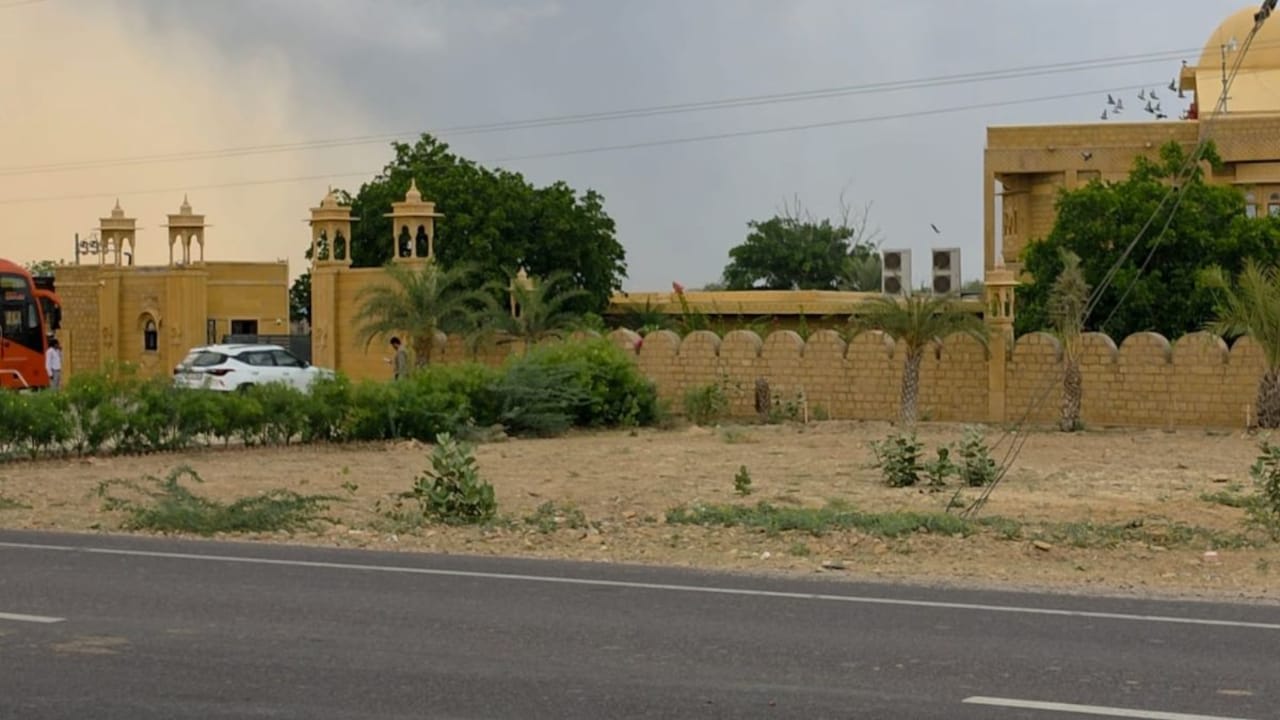
Political parties in Rajasthan have resorted to sequestering councillors in resorts following recent civic polls. This practice, commonly known as 'resort politics,' aims to prevent poaching and ensure party cohesion during leadership selection.
The Resurgence of Resort Politics in Rajasthan
Following the conclusion of recent civic polls in Rajasthan, both the Bharatiya Janata Party (BJP) and the Indian National Congress have engaged in the controversial practice of 'resort politics.' Reports confirm that several councillors from both parties have been moved to sequestered locations, effectively isolating them from external influence. This tactical maneuver highlights the fragility of local electoral mandates and the intense pressure surrounding the formation of local governance bodies.
The Mechanics of Political Sequestration
Resort politics is a well-established phenomenon in Indian electoral history, particularly in states where the margin between victory and defeat is razor-thin. By moving elected representatives to controlled environments, parties seek to insulate their members from the influence of rival factions or 'horse-trading.' This strategy is typically employed in the immediate aftermath of municipal or assembly elections, where the selection of a chairperson or mayor depends on the consolidated support of the elected councillors.
Implications for Local Democracy
While parties argue that this isolation is a defensive measure to protect their mandate, critics view it as a subversion of the democratic process. The sequestration of councillors suggests a deep-seated lack of trust within party ranks and raises concerns about the autonomy of local representatives. When councillors are removed from their constituencies and placed under party supervision, the link between the elected official and their constituents is effectively severed, potentially undermining the transparency of the local government formation process.
Historical Context and Political Culture
Rajasthan has witnessed similar incidents in the past, reflecting a broader trend in Indian political culture where the fear of defection often outweighs the importance of party ideology. The practice has evolved from a rare emergency measure to a standard operational procedure for major political organizations. This cyclical pattern indicates that political parties prioritize the consolidation of power through administrative control rather than relying on legislative cohesion or ideological loyalty.
Future Trends and Reform Challenges
As the influence of local bodies grows, the intensity of these political standoffs is likely to continue. Without robust internal party mechanisms to ensure loyalty or stricter anti-defection laws at the municipal level, resort politics will remain a recurring feature of the Indian political landscape. Moving forward, the reliance on such tactics may further alienate voters who perceive these actions as a manipulation of the electoral results, potentially leading to increased voter apathy in future municipal cycles.
Conclusion
The current situation in Rajasthan serves as a stark reminder of the volatile nature of local governance in India. By sequestering councillors, both the BJP and the Congress are signaling that the battle for municipal power is far from over. As these parties navigate the challenges of forming stable administrations, the focus remains on maintaining control, often at the expense of the democratic principles that these councillors were elected to represent.
Verification Required?