Mamata's TMC rollercoaster: 3 days, 3 setbacks, then a breather
Source Entity
ABHISHEK MISHRA
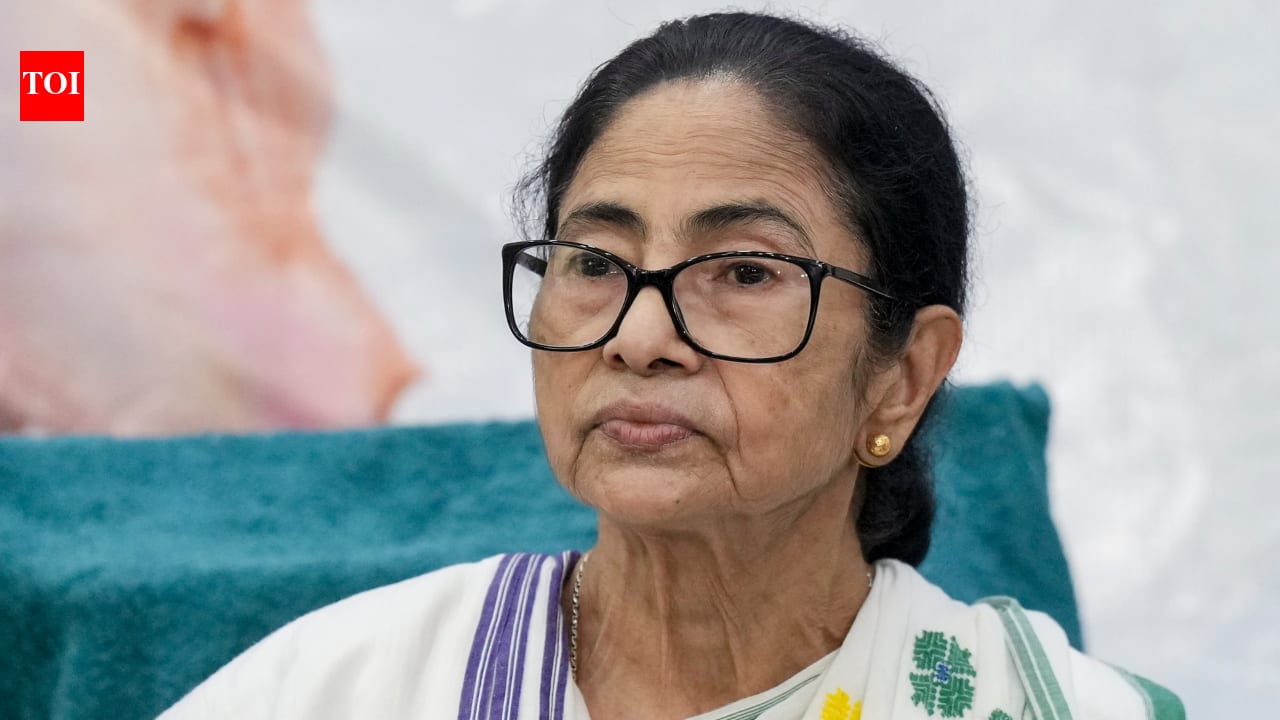
The Election Commission of India has frozen the Trinamool Congress (TMC) party name and symbol for upcoming bypolls due to internal factional disputes. The decision has drawn sharp criticism from the Congress party, which alleges political bias in the timing of the announcement.
The TMC Crisis: A Political Rollercoaster
The recent 72-hour period proved to be a significant political challenge for Mamata Banerjee’s Trinamool Congress (TMC). The party faced a series of rapid-fire setbacks that culminated in the Election Commission of India (EC) issuing an order barring both competing factions of the TMC from utilizing the party’s official name and its iconic symbol during the West Bengal assembly bypolls. This administrative decision effectively paralyzed the party's standard campaign infrastructure, forcing a scramble to reorganize ahead of the electoral contest.
The Mechanics of the EC Freeze
The intervention by the Election Commission was triggered by an internal schism, leading to a 'TMC vs. TMC' scenario where two distinct factions claimed authority over the party apparatus. Under the rules governing political party recognition, the EC is empowered to freeze symbols and names when a dispute over leadership or legitimacy arises that cannot be resolved internally. By barring both factions, the Commission sought to maintain a level playing field during the bypolls, ensuring that neither group could leverage the established brand equity of the TMC while the dispute remains sub-judice.
Political Backlash and Allegations
The fallout from this decision was immediate and politically charged. The Congress party, through senior leader KC Venugopal, launched a scathing critique of the Election Commission. Venugopal described the timing of the freeze as a 'late night birthday gift to Modi ji,' implying that the administrative action was politically motivated to disadvantage Mamata Banerjee’s party while serving the interests of the ruling Bharatiya Janata Party (BJP). This rhetoric highlights the broader tension between opposition parties and constitutional bodies regarding the perceived neutrality of electoral oversight.
Implications for West Bengal Politics
For Mamata Banerjee, this period represented a profound test of her party's resilience. Losing the use of the TMC name and symbol is not merely a bureaucratic hurdle; it is a significant psychological and logistical blow in a state where party symbols are central to voter mobilization. The 'breather' mentioned on the third day suggests a momentary stabilization, yet the structural challenge remains. The party must now pivot to alternative campaign strategies, potentially relying on the personal brand of its leadership to maintain voter engagement in the absence of the recognized party banner.
Broader Trends in Electoral Disputes
This incident underscores a recurring trend in Indian politics, where internal factionalism within regional parties increasingly draws the intervention of the Election Commission. As regional parties become more powerful, the stakes for controlling the 'official' party apparatus have risen. The precedent set here suggests that the EC will continue to take aggressive measures to prevent voter confusion, even if such measures disrupt the campaigning capabilities of long-standing political entities.
Conclusion
In summary, the 72-hour crisis faced by the TMC serves as a stark reminder of the fragile nature of political branding when internal cohesion fails. While the party managed to find a temporary reprieve, the event has reignited debates regarding the role of the Election Commission and the influence of national-level political dynamics on regional electoral processes. As the bypolls approach, the ability of the TMC to navigate this identity crisis will be a critical indicator of its enduring influence in West Bengal.
Multiple Citing Sources