Dead denied dignity: Man’s body ‘floated’ on tied drums through Rewa floodwaters
Source Entity
AMARJEET SINGH
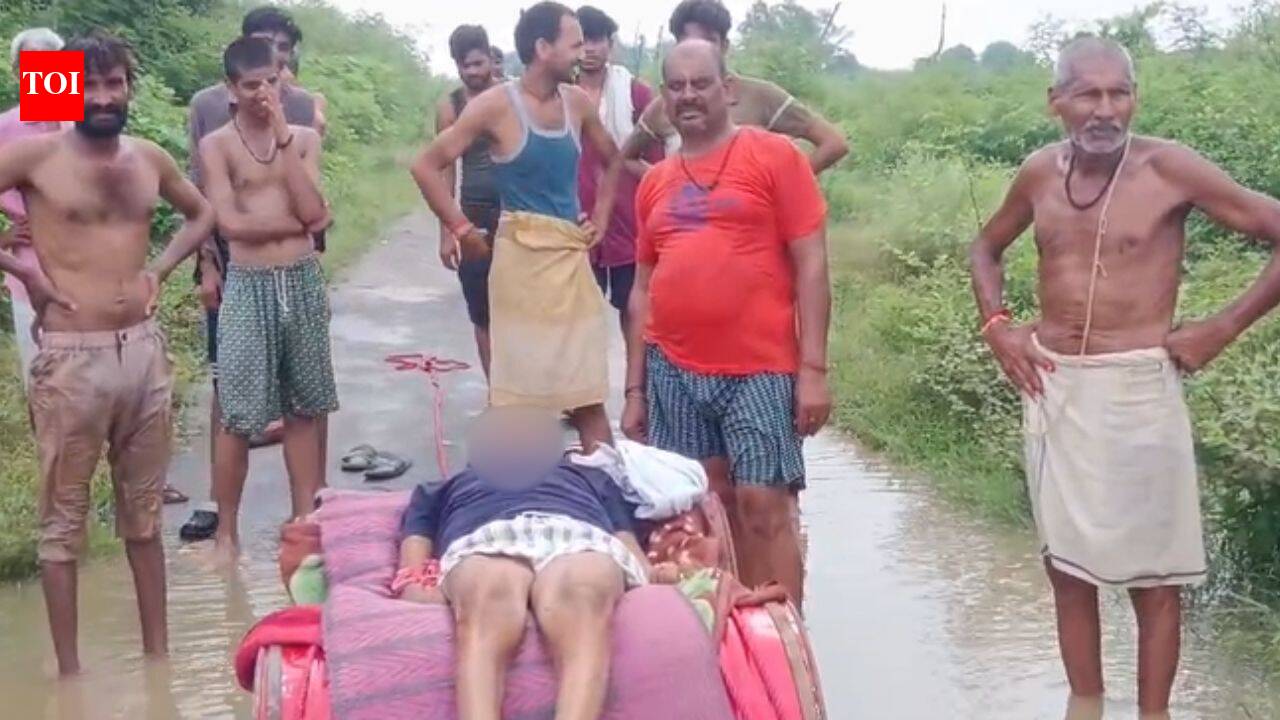
Villagers in Rewa, Madhya Pradesh, were forced to transport a deceased man's body across floodwaters using a makeshift raft made of drums. The incident has sparked public outrage and allegations of official negligence, which local authorities have denied.
A Crisis of Dignity: The Rouli Village Incident
The recent incident in Rouli village, located in the Rewa district of Madhya Pradesh, has brought to light the harrowing reality of infrastructure failures during extreme weather events. When 55-year-old Motilal Tiwari passed away at Sanjay Gandhi Hospital, his grieving family and fellow villagers were confronted with a grim logistical challenge: the path to his home had been rendered inaccessible by rising floodwaters. In a desperate attempt to bring the deceased home, residents constructed a makeshift raft by tying drums together, a sight that has since sparked widespread public indignation.
The Intersection of Tragedy and Infrastructure
This event highlights the fragility of rural connectivity in India’s flood-prone regions. While the monsoon season often brings predictable challenges, the lack of robust, all-weather connectivity in places like the Jawa block of the Sirmour assembly constituency exacerbates the suffering of citizens during personal tragedies. The necessity of using a raft made of drums to transport a body is a stark indicator that emergency disaster management protocols were either absent or failed to reach the most vulnerable populations in time.
Official Denials and Public Outcry
Following the circulation of a video documenting the incident, the local panchayat has faced severe accusations of insensitivity and administrative apathy. Public sentiment has turned sharply against local governance, questioning why such a precarious method of transport was deemed necessary. Conversely, officials have refuted these claims, asserting that boats had been arranged for the village to handle such exigencies. This discrepancy between official claims and the lived experience of the villagers points to a critical breakdown in communication and service delivery.
Broader Implications for Disaster Management
The incident serves as a microcosm for the broader challenges faced by rural districts in India regarding disaster response. When basic infrastructure fails, the responsibility often falls on the community to improvise, leading to situations that compromise human dignity. The outcry surrounding the Rewa incident is not merely about the specific case of Mr. Tiwari, but a demand for systemic accountability and the implementation of reliable, pre-positioned rescue assets in flood-prone zones.
Moving Toward Accountability
As calls for a formal inquiry grow louder, the focus must shift toward ensuring that such indignities are not repeated. A thorough investigation is necessary to determine why the alleged boat arrangements were not accessible to the villagers of Rouli at the critical moment. Ultimately, this episode underscores the urgent need for local governments to prioritize the maintenance of essential transit routes and ensure that disaster relief is not just promised on paper, but effectively deployed on the ground to serve those in their hour of greatest need.