8 years on, Telangana High Court revokes judge’s forced retirement over misconduct
Source Entity
Vineet Upadhyay
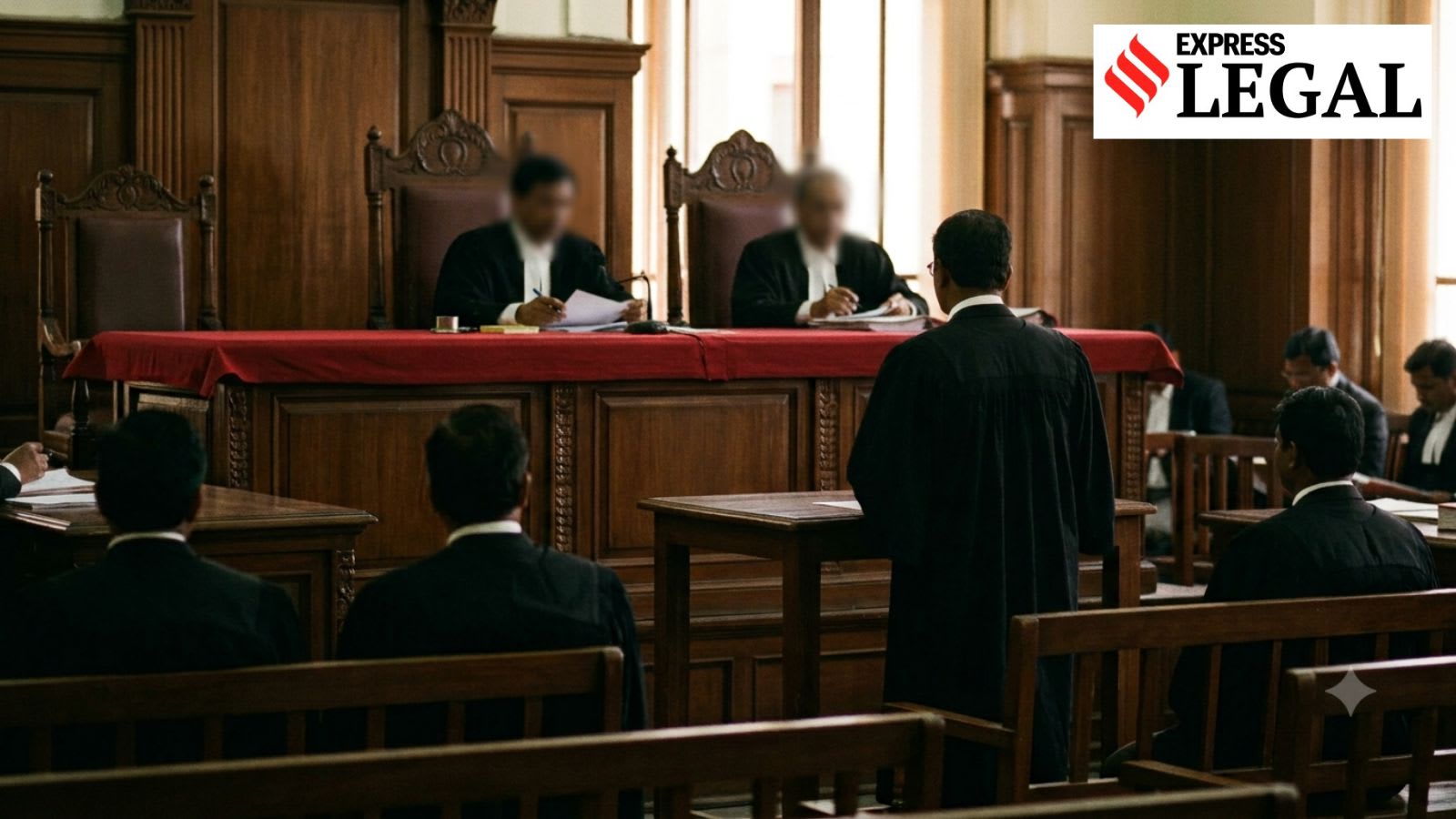
The Telangana High Court has overturned a 2018 compulsory retirement order for a trial court judge, deeming the penalty disproportionate. The court ordered his reinstatement, noting the absence of corruption or integrity issues in the original misconduct charges.
Judicial Rectification: Telangana High Court Overturns Forced Retirement
In a significant judicial development, the Telangana High Court has set aside a 2018 administrative order that had mandated the compulsory retirement of a trial court judge. A division bench comprising Justices P Sam Koshy and Narsing Rao Nandikonda reviewed the case, ultimately determining that the disciplinary action taken against the judicial officer was "unduly harsh and shockingly disproportionate" to the specific misconduct established during the proceedings.
Context of the Disciplinary Action
The petitioner, who began his career in the Andhra Pradesh Judicial Service as a junior civil judge before serving as a II additional junior civil judge, had been fighting the 2018 retirement order for eight years. The High Court’s recent intervention serves as a critical check on administrative punitive measures, ensuring that the disciplinary processes within the judiciary remain balanced and strictly proportional to the gravity of the infractions committed by judicial officers.
The Absence of Moral Turpitude
A pivotal aspect of the court's reasoning centered on the nature of the allegations. The bench explicitly noted that the misconduct did not involve charges of corruption, a lack of integrity, moral turpitude, or the abuse of judicial office for personal gain. By clarifying that the judge’s actions lacked any dishonest motive, the High Court effectively distinguished between procedural lapses and fundamental breaches of judicial ethics, which typically warrant the most severe forms of disciplinary action.
Implications for Judicial Accountability
This ruling highlights the necessity of proportionality in administrative law, particularly when dealing with the careers of those tasked with upholding the law. By reinstating the judge—albeit without back wages—the court has signaled that while accountability is paramount, administrative punishments must not be excessive. This decision reinforces the protection of judicial independence against potential overreach in internal disciplinary protocols.
Future Trends in Judicial Oversight
Looking forward, this case may serve as a precedent for how the Telangana High Court and other judicial bodies handle disciplinary appeals. It underscores a shift toward a more nuanced evaluation of misconduct, where the historical record and the nature of the intent are given significant weight. The judiciary's willingness to rectify its own administrative errors demonstrates a commitment to procedural fairness that is essential for maintaining public trust in the legal system.
Conclusion
In summary, the decision to revoke the compulsory retirement of the trial court judge marks the end of an eight-year legal battle and a restoration of professional standing. By emphasizing that the punishment was disproportionate, the High Court has reaffirmed the importance of fair disciplinary standards, ensuring that judicial officers are held accountable for their actions without being subjected to unnecessarily punitive measures that lack a basis in moral or ethical failure.