Delhiwale: Millennium City’s other towers
Source Entity
Latest News: Todays Latest News Headlines from India & World | Hindustan Times | Hindustan Times
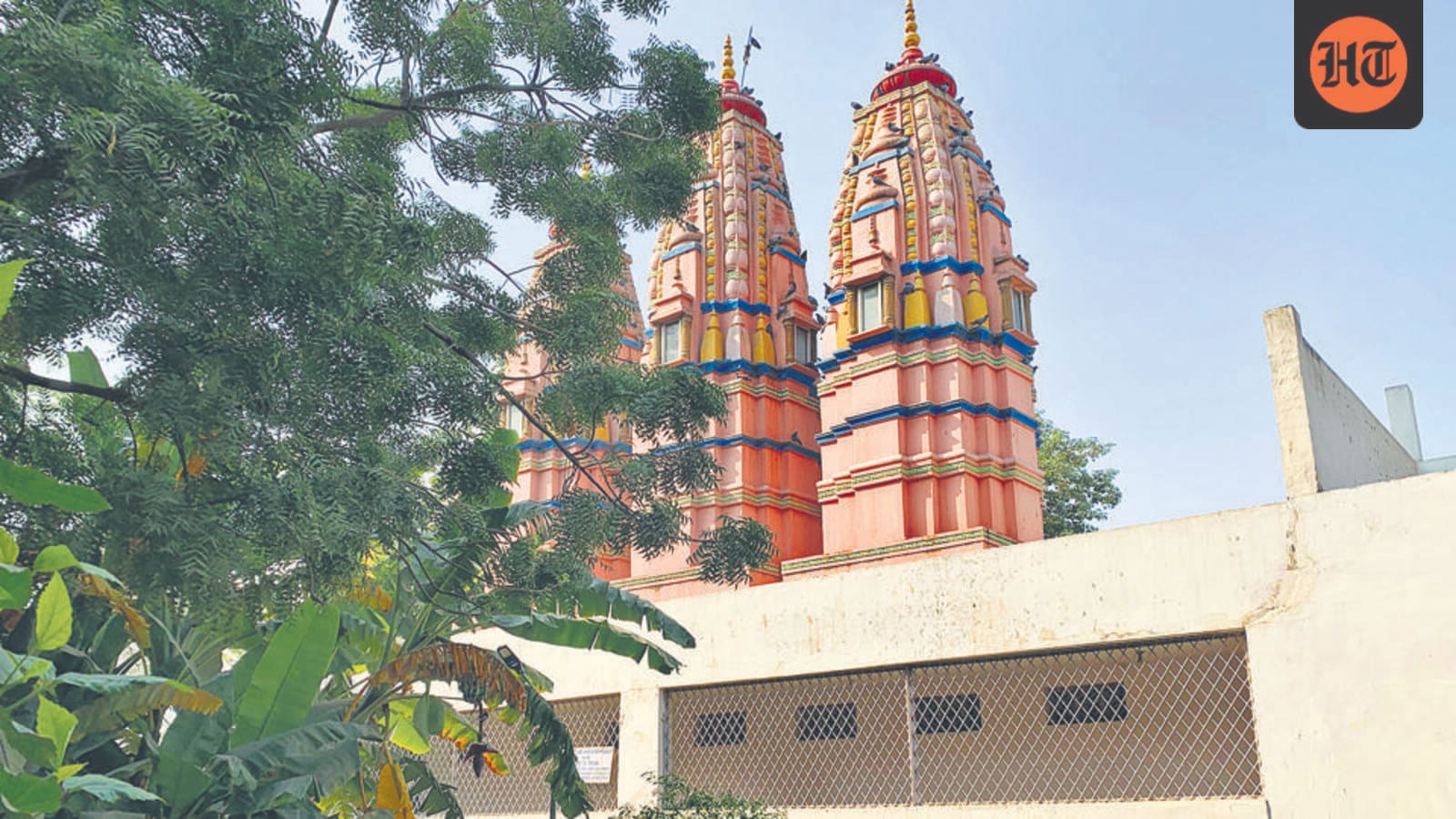
While often defined by its corporate skyscrapers and shopping malls, Gurugram also hosts a rich, lesser-known landscape of spiritual sites. These temples, ranging from traditional deities to unique tributes to poet-saints, reveal the city's multifaceted cultural identity.
The Spiritual Facade of the Millennium City
Gurugram, frequently referred to as the 'Millennium City,' has long been synonymous with rapid urbanization, corporate glass towers, and sprawling commercial retail centers. This narrative of a hyper-modern metropolis driven by materialism, however, often obscures a profound cultural and spiritual undercurrent that has quietly evolved alongside its infrastructure. While the city's skyline is dominated by office complexes, a secondary architecture of temple spires provides a distinct counter-narrative to the city’s reputation.
Beyond the Corporate Skyline
It is a common analytical trope to view Gurugram solely through the lens of economic growth and urban sprawl. Yet, the existence of numerous temples—both prominent and obscure—suggests a city that balances its commercial intensity with deep-rooted traditional practices. These spaces serve as community anchors, offering a sanctuary that contrasts sharply with the frantic pace of the surrounding business districts. The presence of these towers, which top the city’s many temples, serves as a physical manifestation of a spiritual life that persists despite the rapid industrialization of the region.
The Diversity of Devotion
While the city houses many shrines dedicated to standard deities such as Ram, Hanuman, Shiva, and Durga, the religious landscape is far more varied than a cursory glance might suggest. An example of this is the unique temple located in Sadar Bazar, which serves as a tribute to a 15th-century poet-saint. This specific site, characterized by white tiles, iron grilles, and distinct artistic flourishes like the painted yellow sun, highlights the city's capacity to preserve historical and literary legacies that transcend regional boundaries.
Architectural and Cultural Synthesis
The architectural choices within these sacred spaces, such as the white-tiled chambers and stylized murals found in the Kabir temple, demonstrate a synthesis of vernacular aesthetics and devotional intent. Unlike the standardized, glass-and-steel aesthetic of modern office towers, these temple structures are deeply personal and localized. They represent a cultural continuity, ensuring that as the city expands, it retains a connection to the philosophies of figures like Kabir, whose influence remains a cornerstone of Indian spiritual thought.
Implications for Future Urban Planning
As Gurugram continues to develop, the preservation of these spiritual landmarks becomes increasingly vital for maintaining social cohesion. These sites do more than house idols; they act as repositories of history and communal identity in a city that is often criticized for being transient and corporate-focused. The coexistence of the 'Millennium City' infrastructure and these 'other towers' suggests a future where urban development must account for the intangible cultural heritage that sustains its residents beyond their professional lives.
Conclusion: A Dual Identity
Ultimately, Gurugram is a city of dualities. To understand the true character of the Millennium City, one must look past the malls and office blocks to the quiet corners of Sadar Bazar and beyond. By recognizing the existence and significance of these temples, we gain a more accurate, holistic view of a city that is as much defined by its spiritual heritage as it is by its modern economic ambitions.
Verification Required?