Heavy rain lashes Delhi-NCR; Gurgaon offices, schools shift to online mode
Source Entity
ANJALI SINGH
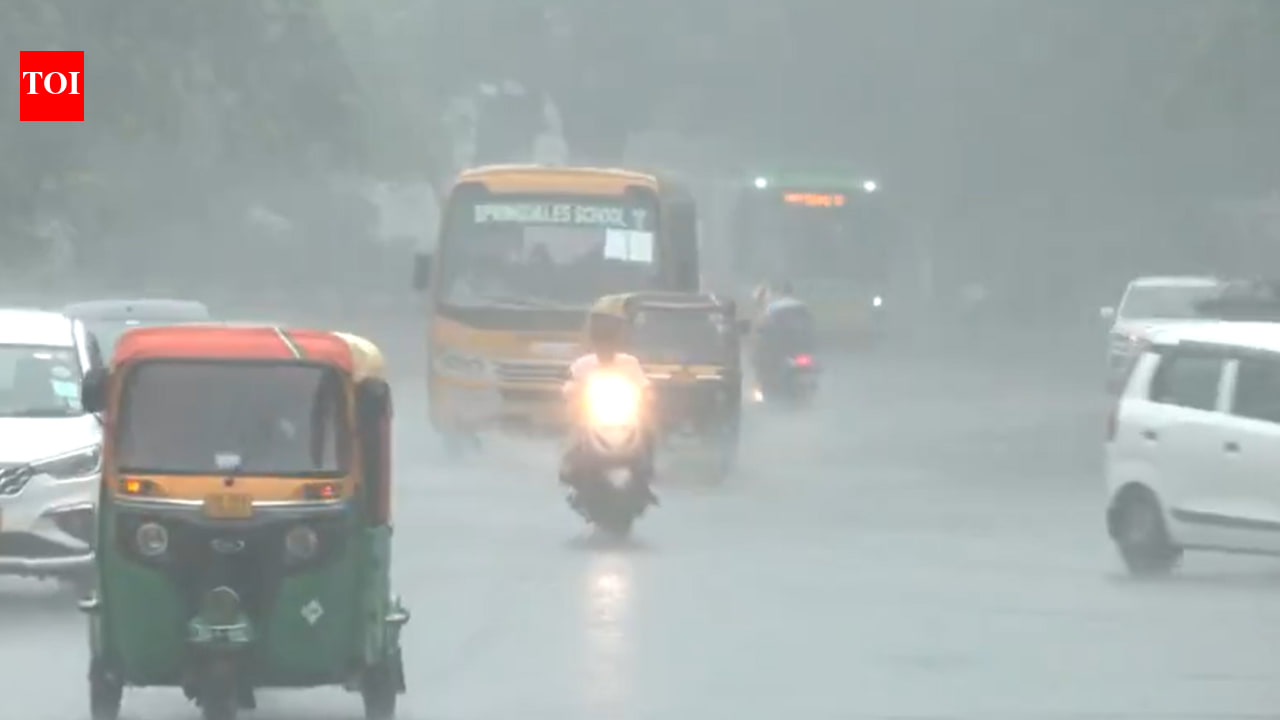
Heavy rainfall in Delhi-NCR has led to severe waterlogging, traffic gridlocks, and the suspension of in-person schooling and office work. Residents and local entrepreneurs have expressed frustration over recurring infrastructure failures and the lack of effective drainage solutions.
Infrastructure Crisis in Delhi-NCR: A Pattern of Disruption
Recent heavy rainfall across the Delhi-NCR region has once again brought daily life to a standstill, highlighting deep-seated vulnerabilities in urban infrastructure. The intensity of the downpour, which saw 75 mm of rain fall in Gurgaon within a single nine-hour window, overwhelmed drainage systems and turned key thoroughfares into flooded zones. This event marks a recurring challenge for the region, as residents reported similar flooding conditions only weeks prior, suggesting that the current civic measures are failing to keep pace with the city's seasonal meteorological demands.
The Human and Economic Cost
The impact of this weather event has been both immediate and severe. The most alarming incident involved at least 12 school buses becoming stranded near Subhash Chowk, forcing children and parents to navigate knee-deep water for hours. Beyond the safety hazards posed by trapped vehicles and exposed electrical wires, the economic disruption has been significant. The district administration was forced to issue an urgent work-from-home advisory for private offices and transition schools to online learning, effectively halting the standard economic rhythm of the city.
Public Frustration and the 'Venice' Critique
Public discourse has shifted toward sharp criticism of civic management. Dr. Shivin Chaudhary, a Gurgaon-based founder, captured widespread sentiment by posting a video of flooded streets, ironically labeling the situation the "Venice experience." His critique underscored a growing frustration among the professional class: despite high taxation and contributions to the local economy, the quality of fundamental infrastructure remains inadequate. This narrative has even extended to discussions about the feasibility of maintaining a high quality of life in metro cities, with some suggesting that infrastructure failures are driving talent to reconsider their residency.
Critical Failures in Urban Planning
The recurring nature of these floods points to systemic issues within civic maintenance and urban planning. While agencies have initiated drainage clearing and road restoration efforts, these are often reactive rather than proactive. The presence of loose electrical wires near flooded roads adds an element of immediate danger that exacerbates the logistical nightmare of traffic snarls. Without long-term investment in sustainable drainage and resilient urban design, these bottlenecks will likely continue to disrupt the region every monsoon season.
Future Trends and Outlook
Looking forward, the Delhi-NCR region faces a difficult path toward climate resilience. As urban density increases, the strain on existing drainage capacity will only intensify. If municipal authorities cannot bridge the gap between tax collection and service delivery, the region risks a decline in its reputation as a major corporate hub. Future trends will likely see a continued reliance on hybrid work models during extreme weather, but this is a stopgap measure rather than a solution to the underlying failure of city infrastructure to handle predictable seasonal rainfall.
Multiple Citing Sources