Dera chief Ram Rahim granted 21-day parole, his 17th release since 2020
Source Entity
SHREEDHAR RATHI
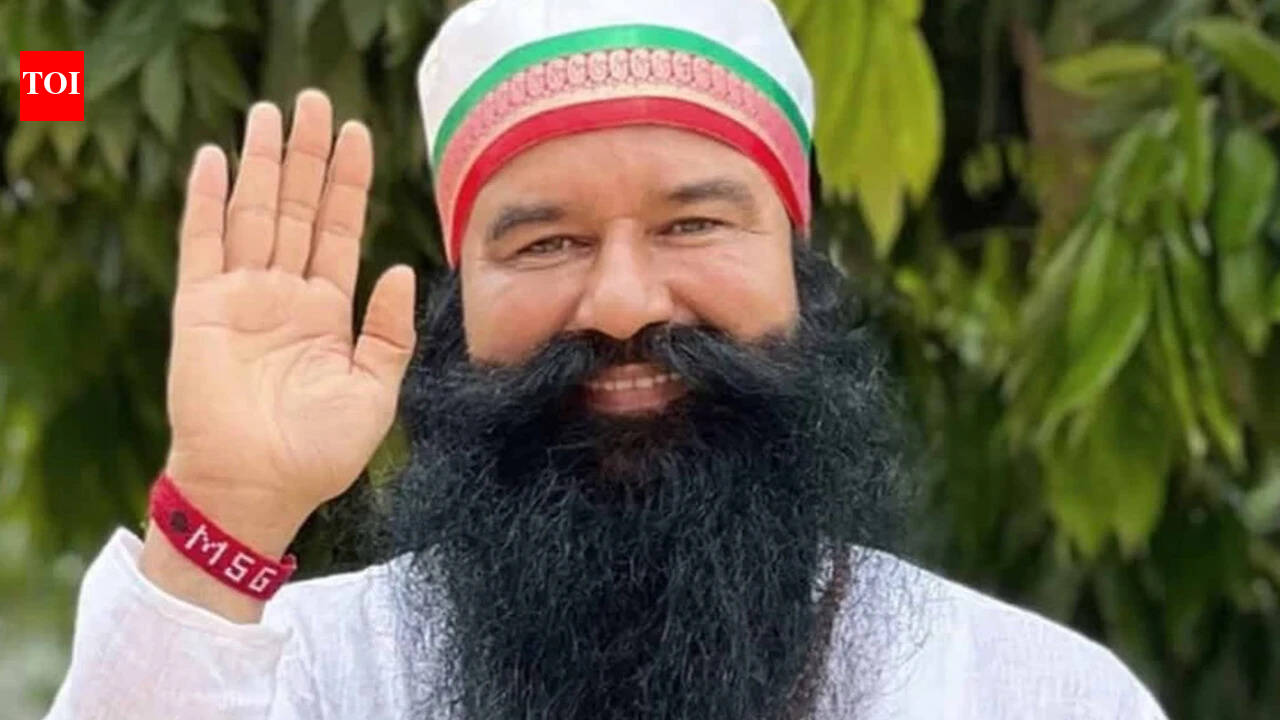
Dera Sacha Sauda chief Gurmeet Ram Rahim Singh has been granted a 21-day parole, marking his 17th release from prison since his 2017 conviction. Serving a 20-year sentence for rape, his recurring releases continue to spark significant public discourse regarding prison regulations.
The Recurring Parole of Gurmeet Ram Rahim Singh
Gurmeet Ram Rahim Singh, the head of the Dera Sacha Sauda, has once again been granted a 21-day parole, allowing him to leave Sunaria jail in Rohtak. This latest development marks the 17th time the Dera chief has been released from custody since his 2017 conviction. Currently serving a 20-year prison sentence for the rape of two disciples, his frequent temporary releases have become a recurring subject of public interest and legal scrutiny.
The Mechanics of Parole and Furlough
Under prevailing prison regulations, convicts are generally eligible for up to ten weeks of parole or furlough annually. These provisions are designed to facilitate the reintegration of inmates into society or allow them to attend to personal or family matters. However, the application of these rules in the case of Ram Rahim—who has seen a high frequency of releases including a 40-day parole in January and a 30-day parole in May—has highlighted the complexities of administrative discretion in the Indian penal system.
Public Scrutiny and Institutional Transparency
Because of his status as a high-profile religious leader, every instance of Ram Rahim's release attracts significant media attention and public debate. The sheer volume of his releases—17 instances since his conviction—has led to questions regarding the consistency and transparency of the parole process. Critics and observers frequently point to the pattern of these releases as a point of contention, questioning the balance between the rights of a convict and the gravity of the crimes for which he was sentenced.
Legal and Administrative Context
Ram Rahim remains lodged in Sunaria jail, yet his ability to frequently return to his Dera headquarters in Sirsa during these periods remains a central aspect of his ongoing legal saga. The distinction between parole and furlough, and the criteria used by state authorities to grant these temporary leaves, are often scrutinized by legal experts. The state's reliance on established prison manuals is a frequent defense, yet the frequency of his specific case suggests an outlier situation that continues to challenge standard perceptions of long-term incarceration.
Broader Implications for the Justice System
This ongoing situation serves as a case study for the broader implications of how high-profile figures interact with the prison system. It raises fundamental questions about whether the current guidelines for parole are sufficiently robust to withstand public skepticism, especially when high-profile inmates appear to utilize these provisions with such regularity. As the legal system continues to manage his custody, the discourse surrounding his eligibility for temporary release will likely remain a flashpoint for conversations about equality before the law.
Looking Toward Future Trends
Moving forward, the frequency of these releases will likely continue to influence policy discussions regarding the reform of parole and furlough frameworks in India. If the pattern of recurring releases persists, it may lead to increased pressure on lawmakers to tighten the criteria for temporary leaves for those convicted of serious crimes. For now, the 21-day parole stands as the latest chapter in a long-standing legal and social controversy involving the Dera Sacha Sauda leader.