Ring introduces a new encryption standard, makes it the default for cloud features
Source Entity
Ivan Mehta
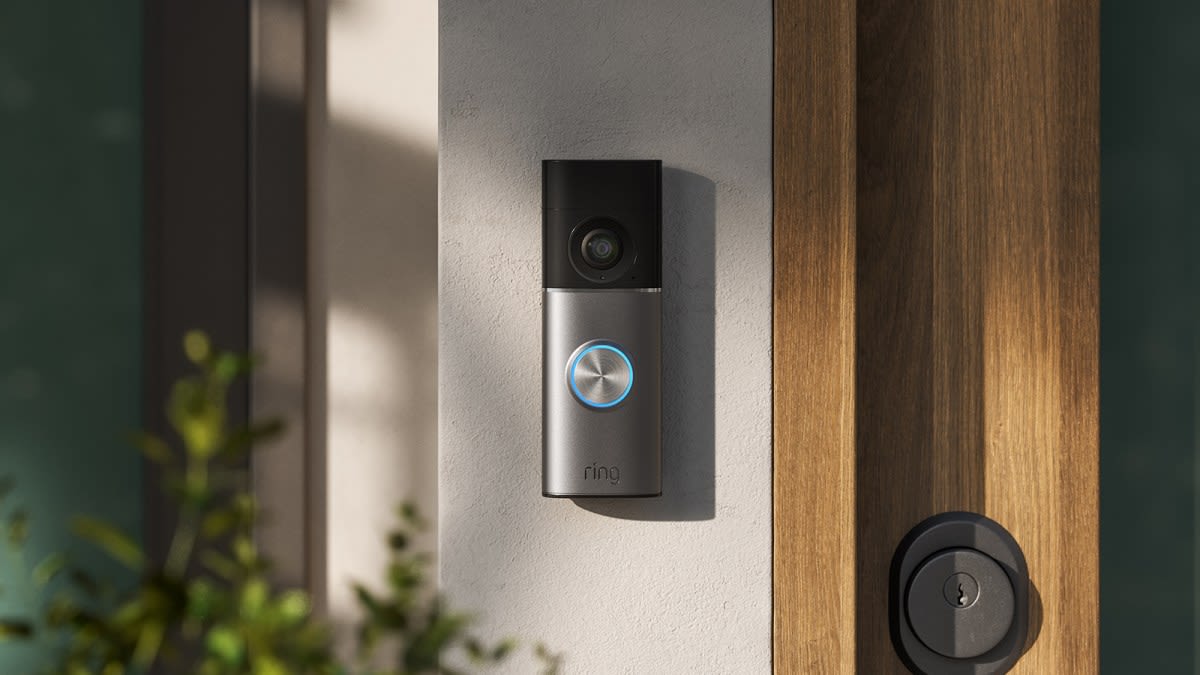
Amazon's Ring has introduced 'Throw Away the Key Encryption' (TAKE), a new default standard for cloud video processing. This method balances user privacy with feature functionality by using temporary, rotating keys that are deleted within 24 hours.
Understanding Ring’s New TAKE Encryption Standard
Amazon’s smart home division, Ring, has officially announced the adoption of a new encryption framework titled 'Throw Away the Key Encryption' (TAKE). This standard is now being deployed as the default setting for video encryption and user data management across the platform. By moving away from a static security model, Ring aims to address the growing consumer demand for privacy in the smart home sector while maintaining the utility of cloud-based services.
The Mechanics of TAKE
The core of the TAKE standard lies in its use of a rotating set of encryption keys. Unlike traditional persistent encryption keys, these are stored temporarily in the cloud. Ring’s infrastructure accesses these keys exclusively to perform specific, user-requested tasks—such as AI-powered video search, smart alerts for packages, or video descriptions. Crucially, the company mandates the deletion of these keys within 24 hours of the request being processed, ensuring that access to user data is ephemeral rather than permanent.
Balancing Privacy and Utility
A significant challenge for smart home providers has been the trade-off between end-to-end encryption (E2EE) and feature accessibility. While E2EE provides maximum privacy, it often breaks functionality like cloud-based video analysis and shared access. Ring asserts that TAKE serves as a middle-ground solution. By temporarily decrypting content only when necessary to power specific features, the company claims it can offer advanced functionality without compromising the long-term security of the user's video library.
Implications for Law Enforcement Requests
One of the most notable aspects of the TAKE implementation is its impact on data access. By design, the TAKE standard limits the scope and duration of when and why Amazon’s cloud can access user videos. This technical limitation serves as a barrier that restricts the amount of data Ring can provide to third parties, including law enforcement agencies. By moving to an ephemeral key model, Ring reduces its own ability to hold onto readable video data, thereby strengthening the privacy posture of its user base.
Future Trends in IoT Security
The introduction of TAKE signals a broader shift in the Internet of Things (IoT) industry toward 'privacy by design.' As consumers become more tech-savvy regarding how their data is processed, companies are under increasing pressure to provide transparency. Ring’s move suggests that the future of smart home security will likely rely on automated, time-bound access protocols rather than the binary choice between complete encryption and full cloud access.
Conclusion
While Ring continues to offer end-to-end encryption as an opt-in choice for users who prioritize total privacy above all other features, the adoption of TAKE as the default standard represents a significant upgrade for the average consumer. By automating the rotation and deletion of encryption keys, Ring is attempting to modernize its cloud infrastructure to align with contemporary security expectations, ultimately providing a more robust shield for user-generated video content.