Ring says its new encryption limits what it can give police
Source Entity
Jennifer Pattison Tuohy
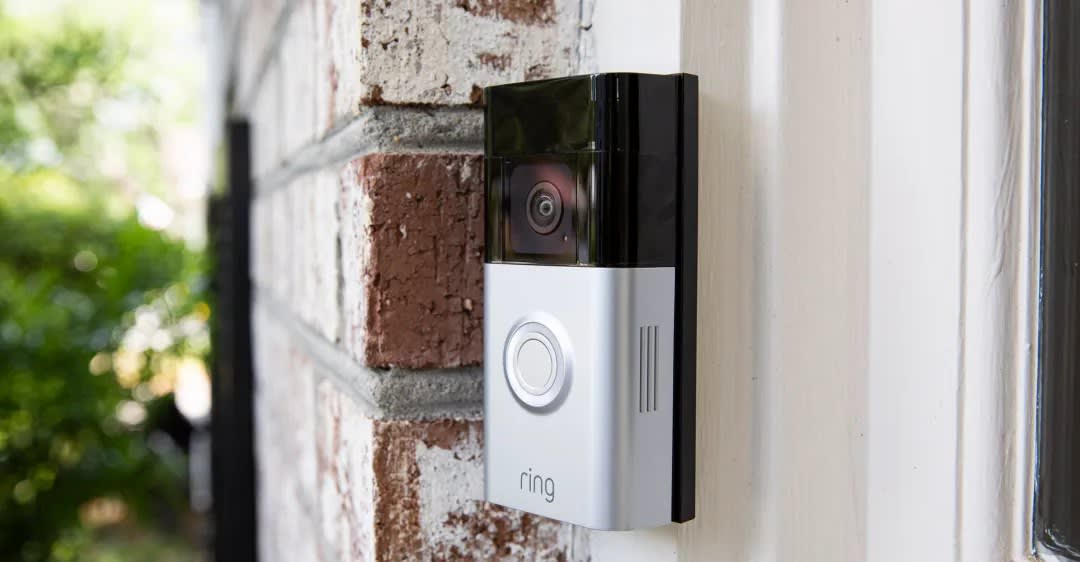
Ring has introduced 'TAKE' (Throw Away the Key Encryption) as a new default security standard for its cloud-based video features. This method uses rotating, temporary encryption keys to process video data while maintaining user privacy and enabling advanced AI functionalities.
Ring's Shift in Privacy: Understanding the TAKE Encryption Standard
Amazon-owned smart home giant Ring has introduced a significant shift in how it manages user data privacy through a proprietary encryption standard dubbed TAKE, or "Throw Away the Key Encryption." This new protocol is designed to bridge the gap between robust data security and the high-level utility expected from modern smart home devices. By moving away from a one-size-fits-all approach, Ring aims to provide a balance that protects consumer privacy without sacrificing the AI-driven features that have become central to the product experience.
How TAKE Functions: A Technical Overview
Unlike traditional end-to-end encryption (E2EE), which often necessitates the complete isolation of data from the service provider, TAKE utilizes a system of rotating encryption keys. These keys are stored temporarily in the cloud, allowing Ring’s infrastructure to decrypt and process video data only when specific user-activated features—such as AI-powered video search, smart alerts for packages, or automated video descriptions—require it. Once the processing task is finalized, the keys are deleted within a 24-hour window, effectively limiting the duration and scope of the company's access to user footage.
The Trade-off Between Utility and Privacy
For years, the smart home industry has grappled with a fundamental conflict: providing advanced, cloud-based analytics versus ensuring absolute user privacy. Traditional end-to-end encryption, while highly secure, inherently limits the ability of cloud servers to parse video files, thereby disabling features like intelligent person detection or descriptive metadata generation. Ring’s adoption of TAKE acknowledges that many users prioritize these smart features, offering a middle-ground solution that keeps data encrypted at rest while providing the necessary "keys" for the cloud to function as a digital assistant.
Maintaining User Choice
Despite the rollout of TAKE as the new default standard, Ring has maintained that users retain the right to opt for traditional end-to-end encryption if they prefer a higher level of isolation. This flexibility is critical for a diverse user base, ranging from casual homeowners who value convenience to privacy-conscious power users who may be willing to trade smart features for maximum security. By keeping E2EE as an available option, Ring avoids a mandatory "all-or-nothing" security posture.
Broader Implications for the Smart Home Market
This development signals a broader trend in the Internet of Things (IoT) sector, where companies are increasingly forced to innovate on the backend to satisfy growing regulatory and consumer demands for data transparency. As smart home devices become more deeply integrated into daily life, the mechanism by which companies like Amazon access user data becomes a focal point of public trust. The introduction of TAKE suggests that the industry is moving toward more granular, task-specific access models rather than broad, persistent access to user video feeds.
Future Outlook and Conclusion
As this feature rolls out gradually, the long-term success of the TAKE standard will likely hinge on consumer trust and the efficacy of the key-deletion process. While it represents a step forward in managing cloud-based processing, the industry will continue to face scrutiny regarding how data is handled. Ultimately, Ring's move reflects a maturation of the smart home market, where security is no longer an afterthought but a core, configurable feature of the product ecosystem.
Multiple Citing Sources