Rising interest rates pose a major threat to stock prices and other assets
Source Entity
Satyajit Das
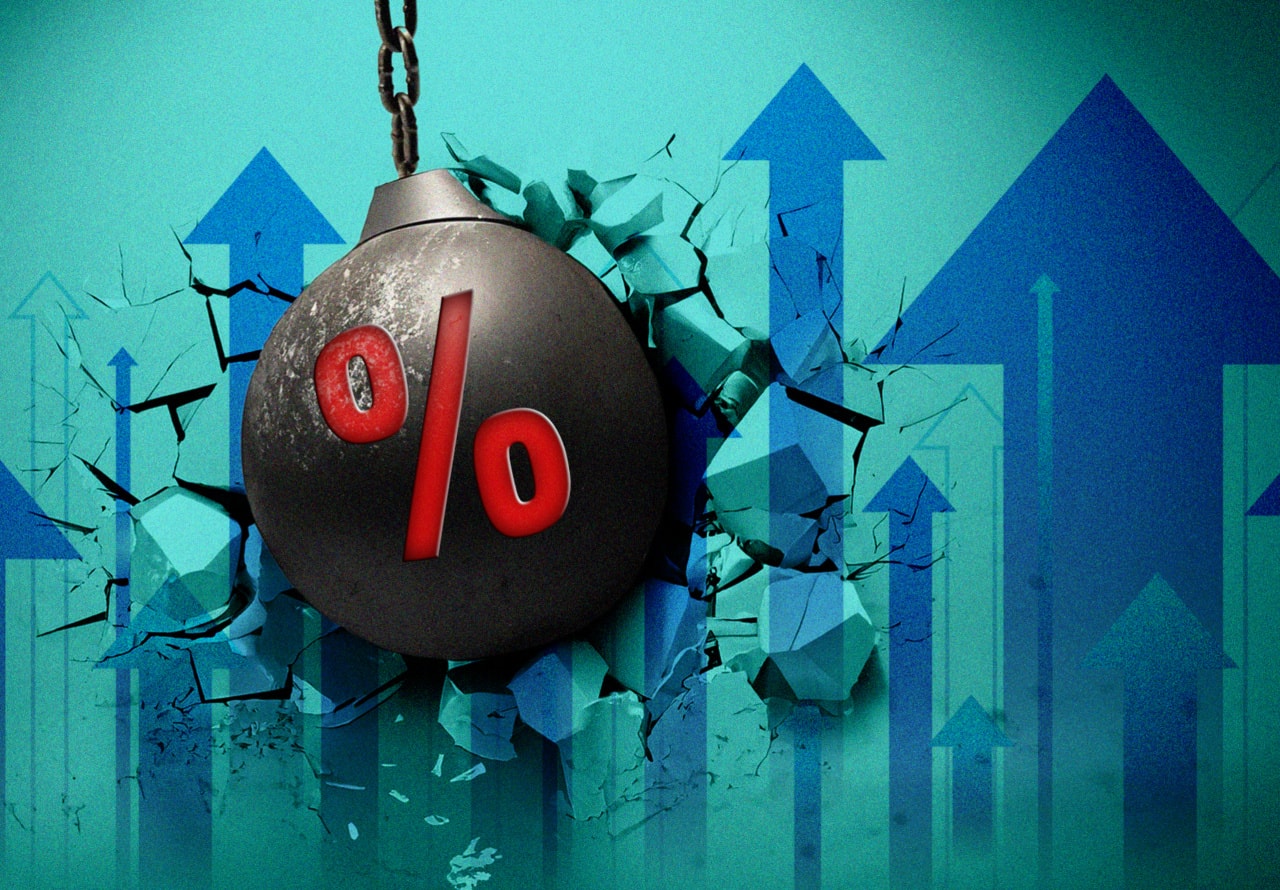
Financial analysts are warning that global markets are currently priced for perfection, leaving them vulnerable to a significant selloff. Rising interest rates and the threat of a 'Bondmageddon' scenario are primary drivers fueling volatility and potential asset repricing.
The Fragility of Current Market Valuations
Recent financial analysis from Longview Economics highlights a precarious situation in global equity markets, suggesting that they are currently 'priced for perfection.' This term refers to a market state where investors have accounted for only positive outcomes—such as consistent earnings growth, stable inflation, and favorable monetary policy—while ignoring the potential for negative shocks. When valuations reach these levels, the margin for error effectively vanishes, leaving portfolios highly susceptible to even minor disappointments in economic data.
The Catalyst of Rising Interest Rates
A primary factor contributing to this heightened risk environment is the persistent upward pressure on interest rates. For years, low-cost capital fueled aggressive equity valuations; however, the current transition to a higher-rate environment fundamentally alters the discount rates applied to future cash flows. As borrowing costs rise, the intrinsic value of growth-oriented stocks often declines, putting downward pressure on indices that have become overly reliant on cheap liquidity to sustain record-high prices.
Understanding the 'Bondmageddon' Threat
The phenomenon being described as 'Bondmageddon' represents a potential structural reset in the relationship between fixed-income and equity markets. Historically, bonds served as a hedge against equity volatility, but when interest rates rise sharply, bond prices fall, causing losses in both asset classes simultaneously. This correlation shift threatens to destabilize multi-asset portfolios that were designed under the assumption that bonds would provide a reliable safety net during equity market corrections.
Historical Context and Market Cycles
Looking back at market history, 'priced for perfection' environments often precede significant corrections. When investor sentiment reaches an extreme of optimism, technical indicators frequently signal overbought conditions. The current cycle mirrors past periods where central bank intervention was the primary driver of market sentiment. As central banks shift their mandates to prioritize inflation control over market support, the removal of this liquidity 'safety net' forces investors to grapple with the reality of market-driven pricing.
Strategic Implications for Investors
For investors, the current climate necessitates a transition from growth-at-any-price strategies toward defensive positioning. This involves re-evaluating risk exposure, focusing on companies with strong balance sheets, and potentially increasing cash reserves to weather increased volatility. The goal is not necessarily to exit the market entirely, but to mitigate the impact of a potential reset by reducing exposure to assets that are most sensitive to interest rate hikes and economic contraction.
Navigating Future Market Trends
The trajectory of financial markets over the coming quarters will likely be determined by how successfully economies navigate the transition away from high-interest-rate sensitivity. If inflation remains sticky, the 'Bondmageddon' narrative may gain further traction, forcing a deeper valuation reset across all asset classes. Conversely, if interest rates stabilize, the markets may find a new equilibrium, though it will likely be at lower valuation multiples than those observed during the period of quantitative easing.
Verification Required?