'Cut rates or I'll halt trade with countries US has deficit with': Trump threatens Fed
Source Entity
AYUSH PANDEY
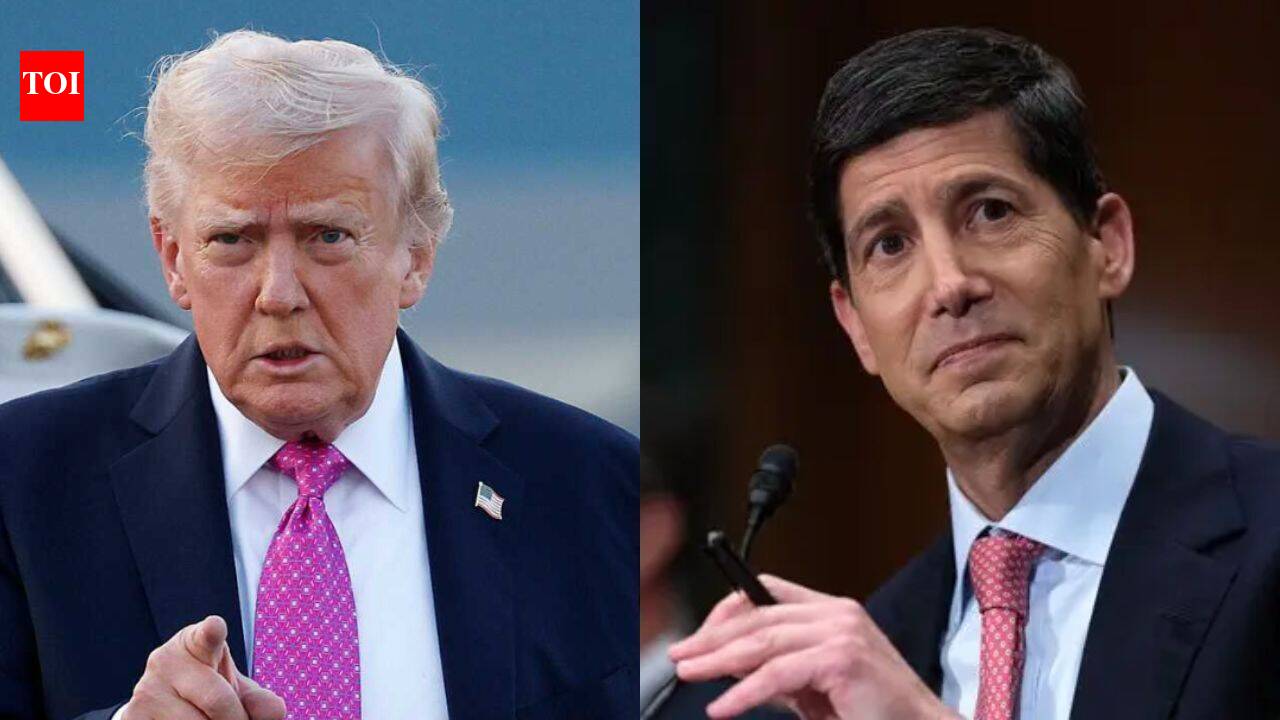
President Donald Trump has issued a stark ultimatum to the Federal Reserve, threatening to halt trade with nations holding a trade surplus unless interest rates are lowered. This move links monetary policy with aggressive protectionist trade tactics, raising concerns about potential global economic volatility.
The Intersection of Monetary Policy and Protectionism
President Donald Trump has escalated his long-standing pressure on the Federal Reserve, issuing a dramatic ultimatum that ties domestic interest rates to international trade policy. By threatening to cease trade with countries that maintain a trade surplus with the United States unless the Federal Reserve cuts borrowing costs, the President has introduced a new, aggressive variable into global economic discourse. This strategy seeks to leverage the U.S. consumer market as a bargaining chip to force the central bank’s hand on monetary policy.
The Federal Reserve's Role and Independence
The Federal Reserve occupies a unique position as an independent entity designed to manage inflation and employment through interest rate adjustments, shielded from direct political interference. Trump’s public call for Federal Reserve Governor Kevin Warsh and the board to “get smart” and cut rates represents a significant deviation from traditional norms of executive restraint. By framing high interest rates as a “very unfair disadvantage,” the President is challenging the institutional autonomy that has historically underpinned the credibility of the U.S. dollar and domestic market stability.
Analyzing the Economic Context: Jobs and Growth
The timing of this threat follows the release of strong August labor market data, which showed U.S. employers adding 162,000 jobs. While a 4.1% unemployment rate typically suggests a healthy, expanding economy, President Trump argues that such strength should ironically justify cheaper credit. This perspective posits that a “strong country” requires lower interest rates to maintain its competitive edge, a view that contrasts with standard economic theory, which often uses higher rates to prevent overheating during periods of robust job growth.
Global Trade Implications
Beyond domestic policy, the threat to halt trade with countries holding surpluses presents a profound risk to global supply chains. If the U.S. were to act on this rhetoric, it would potentially dismantle decades of established trade agreements and disrupt global financial markets. Countries currently categorized as “financially elite” due to their export-driven surpluses would face immediate economic isolation. Such a move would likely trigger retaliatory measures, leading to a fragmented global economy and significant inflation for American consumers who rely on imported goods.
Future Trends and Market Volatility
As the administration continues to push for lower borrowing costs, the market is likely to experience increased volatility. Investors are currently weighing the impact of potential protectionist trade barriers against the benefits of looser monetary policy. The outcome of this standoff will dictate not only the immediate cost of capital but also the long-term relationship between the U.S. government and its global trading partners. If the Federal Reserve maintains its current course, the resulting tension could reshape the landscape of international commerce for the foreseeable future.
Conclusion
In summary, President Trump’s recent statements represent a high-stakes gamble that merges monetary policy with trade warfare. By demanding that the Federal Reserve lower rates or face the consequence of restricted international trade, the administration is testing the limits of institutional independence and global economic integration. The global community now watches closely to see if this rhetoric will manifest into policy, or if it serves as a tactical maneuver to influence public perception and market sentiment.
Multiple Citing Sources