Yen's changing fortunes might finally be spooking the bears
Source Entity
Yahoo Finance
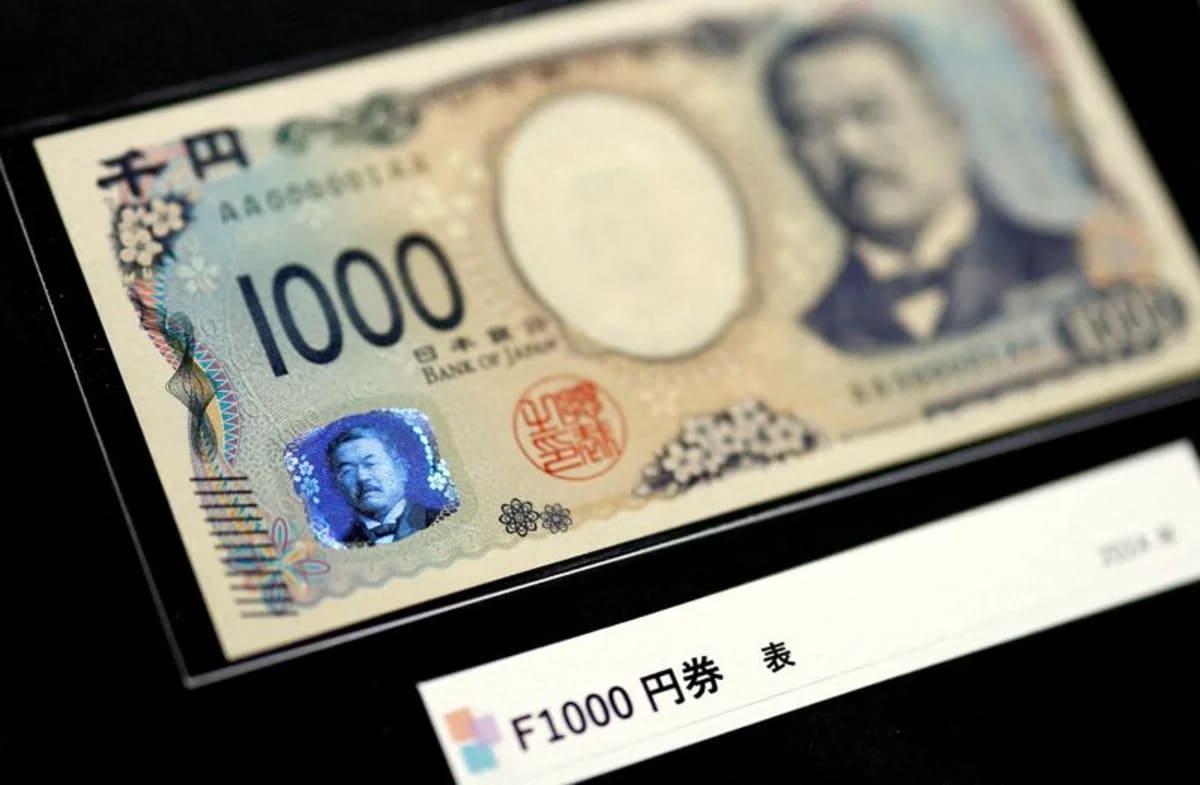
The Japanese yen is showing signs of a significant recovery following a four-decade low against the U.S. dollar. A combination of capital repatriation, the unwinding of carry trades, and shifting U.S. political pressure is forcing speculators to abandon long-standing bearish positions.
The Yen's Strategic Pivot: A Shift in Market Dynamics
After languishing at four-decade lows against the U.S. dollar, the Japanese yen is finally exhibiting signs of a structural recovery. For years, the currency has been the primary target for international speculators, largely due to the Bank of Japan's persistent commitment to ultra-loose monetary policy while other global central banks raised interest rates. However, recent market data indicates that the tide is turning, as the currency is on track for a 2% weekly surge, marking its most significant upward momentum since the coordinated interventions seen in late July.
The Failure of Traditional Interventions
Historically, the yen's weakness was managed through a combination of aggressive verbal warnings from Tokyo and record-breaking currency interventions. While these measures provided temporary relief, they ultimately failed to alter the long-term bearish sentiment that permeated global markets. The inability of these interventions to provide sustained support underscored the deep-seated nature of the 'yen carry trade,' where investors borrowed low-interest yen to fund investments in higher-yielding assets elsewhere, effectively keeping the currency suppressed for years.
Unwinding the Carry Trade
The current shift is being driven by a confluence of factors that go beyond simple central bank policy. One of the most critical drivers is the rapid unwinding of carry trades. As volatility increases and the interest rate differential between the U.S. and Japan begins to narrow, the risk-adjusted returns for these trades have plummeted. Investors are now forced to repatriate capital to cover positions, creating a self-reinforcing loop of buying pressure that is finally 'smoking out' the bears who have dominated the market for so long.
The Impact of U.S. Political Pressure
Beyond domestic monetary policy, the yen is also reacting to shifting geopolitical and economic pressures from the United States. Increased scrutiny regarding currency manipulation and the broader implications of a weak yen on international trade balances have added a layer of political risk for speculators. This external pressure is changing market psychology, making it increasingly difficult for traders to maintain short positions without accounting for the possibility of further diplomatic or economic intervention.
Future Trends and Market Outlook
Looking ahead, the market is entering a phase of recalibration. If the yen maintains this recovery, we may witness a permanent shift in how institutional investors view Japanese assets. The era of the 'easy short' on the yen appears to be concluding, replaced by a more cautious environment where interest rate parity and capital flows are once again the primary drivers. Investors should anticipate continued volatility as the market digests these new tailwinds, but the underlying trend suggests that the yen has finally found a floor after years of decline.
Summary of the Turning Tide
In conclusion, the recent strengthening of the yen is not merely a temporary fluctuation but a response to fundamental changes in global finance. The combination of forced liquidations, changing interest rate expectations, and increased political sensitivity has created a hostile environment for those betting against the Japanese currency. As the market psychology shifts, the focus will now turn to whether the Bank of Japan can solidify these gains through consistent policy signaling.