RITES: Double-decker flyover undercuts Bengaluru Metro gains
Source Entity
SUCHITH KIDIYOOR
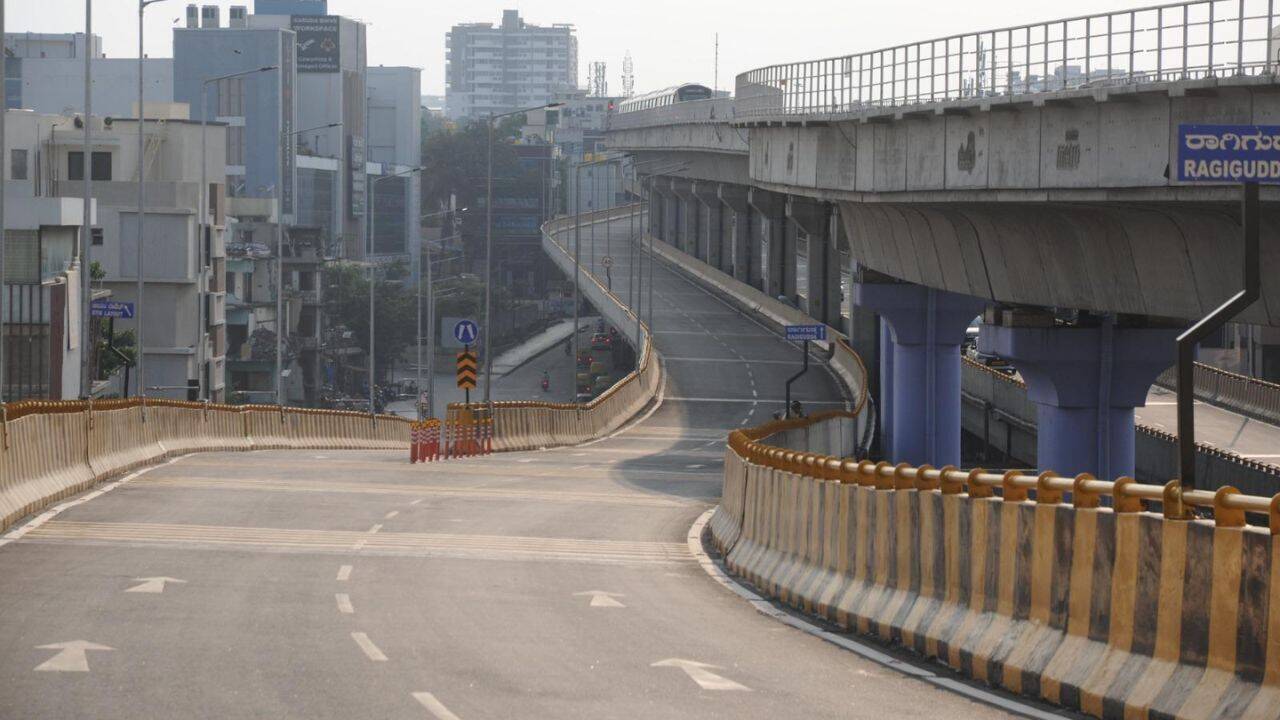
Engineering consultancy RITES has cautioned against Bengaluru's proposed 37km double-decker flyover, warning it could undermine Metro usage and violate sustainable transport policies. The Karnataka government now faces a critical decision regarding the future of this infrastructure project.
The Double-Decker Dilemma: Infrastructure at a Crossroads
The city of Bengaluru, often grappling with severe traffic congestion, is currently at a critical impasse regarding its urban planning strategy. Chief Minister DK Shivakumar’s ambitious proposal to construct a 37km double-decker flyover along the proposed Orange Line Metro corridor has been met with significant resistance. Central to this opposition is a report from the state-owned engineering consultancy RITES Ltd, which has raised formal concerns regarding the viability and long-term impact of such a massive infrastructure undertaking.
The RITES Perspective: Prioritizing Public Transit
The core of the criticism leveled by RITES concerns the fundamental purpose of urban mass transit systems. By creating a dual-layered structure that facilitates private vehicular movement directly above or alongside the Metro, planners risk incentivizing car and motorcycle usage over public rail. RITES argues that the proposed end-to-end structure could inadvertently dilute the efficacy of the Metro, potentially leading to lower ridership numbers and negating the primary objective of the transit project: to reduce the city’s reliance on private vehicles.
Engineering and Operational Challenges
Beyond the philosophical debate on transit priority, RITES has highlighted significant engineering and operational complexities. Constructing a double-decker structure over an active or planned Metro corridor introduces immense structural demands and potential maintenance bottlenecks. The firm suggests a more surgical approach, recommending that flyovers be constructed only at specific, high-traffic intersections rather than as a continuous corridor. This localized strategy aims to address immediate congestion while maintaining the integrity of the transit spine.
Alignment with National Sustainable Mobility Policies
This controversy also touches upon broader national policies regarding sustainable urban mobility in India. The current national mandate emphasizes transit-oriented development (TOD), which seeks to cluster urban growth around high-capacity public transport. The RITES report posits that the proposed double-decker flyover runs counter to these national goals, as it prioritizes road-based private transport—a mode historically linked to increased emissions and sprawl—over the high-capacity, electrified transit of the Metro system.
The Path Forward for Karnataka
The future of the Orange Line corridor now rests in the hands of the Karnataka government. Policymakers are tasked with balancing the immediate demands of motorists, who seek relief from daily gridlock, against the long-term vision of a sustainable, transit-first city. As the government evaluates the RITES report, the final decision will likely serve as a litmus test for how Bengaluru intends to manage its rapid urbanization and whether it will prioritize legacy road infrastructure or a forward-looking, rail-centric transport model.