Ex-Home Secretary R.K. Singh accuses CEC Gyanesh Kumar of ‘illegalities’ in SIR, calls for Opposition unity
Source Entity
India Latest News: Top National Headlines Today & Breaking News | The Hindu
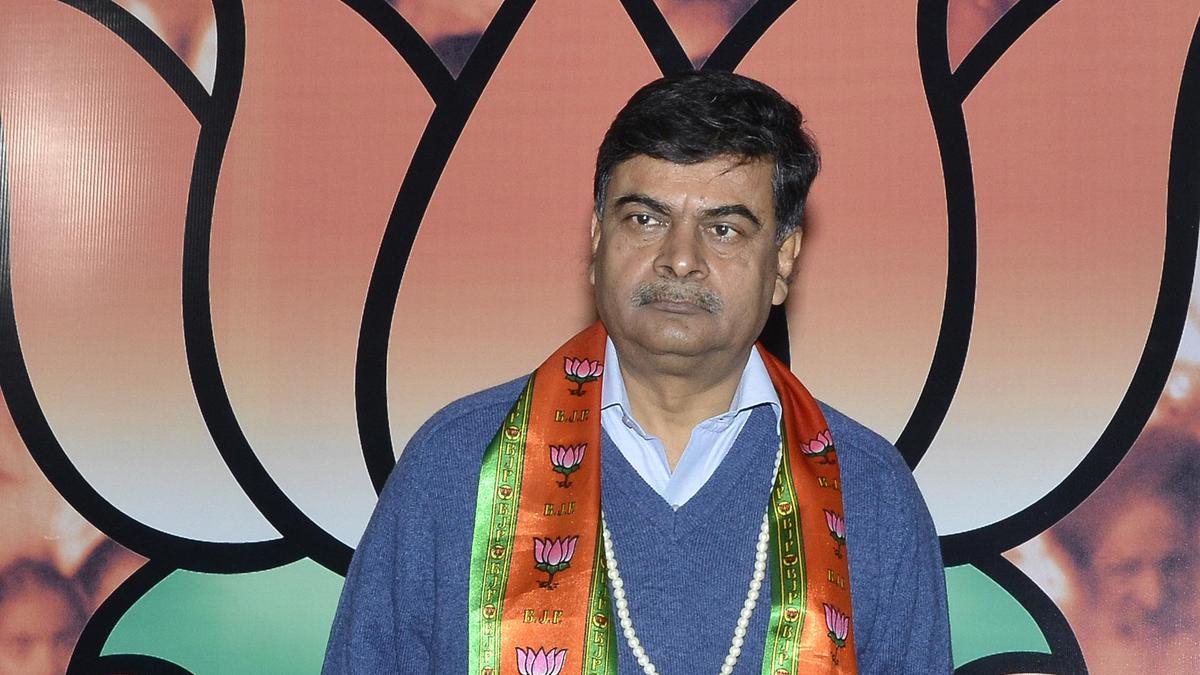
Former Home Secretary R.K. Singh has publicly accused CEC Gyanesh Kumar of illegalities regarding electoral roll revisions, sparking calls for an Opposition election boycott. The controversy has triggered internal ECI friction, national protests, and a forthcoming Supreme Court hearing on the Commission's recent conduct.
The Crisis of Credibility in India's Election Commission
The integrity of the Election Commission of India (ECI) has come under intense scrutiny following explosive allegations leveled by former Union Home Secretary R.K. Singh. In an open letter, Singh accused Chief Election Commissioner (CEC) Gyanesh Kumar of presiding over 'illegalities' during the ongoing Special Intensive Revision (SIR) of electoral rolls. By characterizing the revision as legally flawed and criticizing a Supreme Court order that previously upheld the general SIR, Singh has escalated the discourse from administrative disagreement to a fundamental challenge regarding the democratic process in India.
Internal Friction and Institutional Discord
Beyond the external critiques, the ECI is grappling with significant internal turbulence. Reports indicate that Commissioners Sukhbir Singh Sandhu and Vivek Joshi have repeatedly questioned CEC Gyanesh Kumar’s decision-making processes in recent months. While the ECI has officially maintained that all decisions are reached unanimously, these reports of internal dissent suggest a fracturing of the Commission’s traditional veneer of consensus. This discord is particularly significant given the ECI's constitutional mandate to act as an impartial arbiter of the world's largest democratic exercise.
The Call for Boycotts and Political Polarization
The situation has rapidly devolved into a high-stakes political battle. R.K. Singh’s radical call for Opposition parties to boycott elections until the resignation of the CEC and his fellow Commissioners represents a significant escalation in political rhetoric. This move has drawn sharp rebukes from the ruling Bharatiya Janata Party (BJP), with Union Minister J.P. Nadda framing the Opposition’s support for these concerns as a 'toolkit mentality' intended to derail national progress. This binary framing highlights the deepening divide between the government and the opposition regarding the independence of constitutional bodies.
Judicial Intervention and Public Unrest
As the political temperature rises, the judiciary is set to play a pivotal role in resolving the impasse. The Supreme Court is scheduled to hear a plea challenging the decisions made by CEC Gyanesh Kumar, which will test the limits of judicial oversight over the ECI's administrative functions. Simultaneously, the public response has manifested in protests across several states, signaling that the controversy is not merely confined to elite political circles but has permeated the national consciousness, impacting public trust in electoral infrastructure.
Future Trends and Democratic Implications
Looking ahead, the resolution of this conflict will likely set a major precedent for the autonomy of the ECI. If the Supreme Court finds merit in the allegations of illegalities, it could necessitate sweeping reforms to how the ECI conducts electoral roll revisions and maintains internal harmony. Conversely, if the institution remains unchanged, the continued perception of bias may lead to prolonged instability in the electoral landscape. The upcoming Congress Working Committee meeting to discuss these 'internal differences' suggests that the Opposition is preparing for a sustained campaign, signaling a period of prolonged institutional friction that may characterize the Indian political climate for the foreseeable future.
Verification Required?