Controversy! Ronaldo likes Insta post claiming FIFA helped Argentina reach final
Source Entity
TOI SPORTS DESK
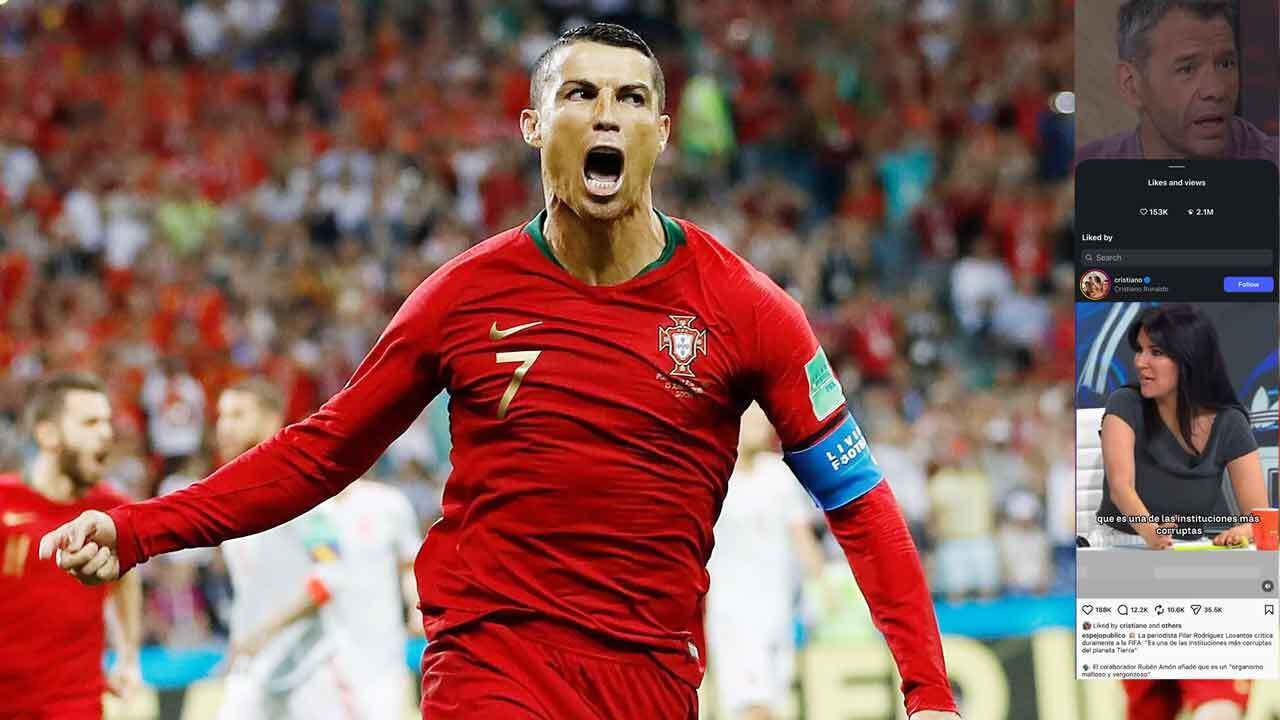
Cristiano Ronaldo's engagement with a social media post questioning the integrity of Argentina's World Cup journey has ignited public debate. The incident highlights ongoing scrutiny regarding FIFA's tournament management and officiating standards.
The Digital Echo of Tournament Controversy
In the high-stakes world of professional football, social media interactions by global icons like Cristiano Ronaldo carry significant weight. The recent incident involving Ronaldo liking an Instagram post that alleged FIFA provided undue assistance to Argentina during their World Cup campaign has sparked a firestorm of speculation. This digital footprint serves as a catalyst for deeper discussions regarding the perceived fairness of international football’s most prestigious tournament, reflecting the intense scrutiny that follows every major FIFA event.
Questioning the Integrity of the Beautiful Game
The allegations embedded in the post suggest a systemic bias, questioning whether the governing body, FIFA, influenced the trajectory of the tournament to favor specific outcomes. While such claims are common in the volatile atmosphere of international sports, they strike at the heart of FIFA's credibility. By engaging with this content, Ronaldo has inadvertently amplified narratives that challenge the legitimacy of the tournament's structure, forcing fans and critics alike to re-examine the officiating and administrative decisions that defined the competition.
The Path to the Final
Argentina's route to the final was characterized by high-tension matches, dramatic tactical shifts, and significant individual performances. The narrative of their journey—marked by comeback victories and narrow margins—has been a subject of intense debate among pundits. Critics of the process point to specific incidents of officiating as evidence of favoritism, while proponents argue that the team's success was the result of resilience and strategic adaptation. This dichotomy underscores the difficulty of maintaining objective standards in a tournament as globally scrutinized as the World Cup.
Historical Context and Institutional Scrutiny
This incident is not an isolated event but rather sits within a long history of controversies surrounding FIFA. Throughout the decades, the organization has faced numerous allegations regarding institutional corruption, questionable hosting rights, and inconsistent application of VAR (Video Assistant Referee) technology. The skepticism directed at the recent tournament is a continuation of this historical pattern, where the actions of players and officials are constantly measured against the backdrop of FIFA’s complex and often opaque governance.
The Impact of Social Media on Sport Diplomacy
Ronaldo’s silence on the matter is as telling as the like itself. In an era where a single click can be interpreted as a political statement or a professional critique, athletes are increasingly aware of the power they wield. This incident highlights how digital platforms allow players to influence public discourse without ever issuing a formal statement. As the footballing world looks toward future tournaments, the pressure on FIFA to ensure absolute transparency and impartiality will only intensify, driven by the collective voice of athletes and fans who demand a level playing field.
Concluding Perspectives
Ultimately, whether or not FIFA influenced the competition remains a matter of intense debate rather than established fact. However, the controversy itself serves as a reminder of the fragility of sporting legitimacy. As the dust settles on the final—which saw Argentina narrowly defeated by Spain in extra time—the focus shifts from the match results to the broader implications of how such narratives can permanently alter the perception of a champion's journey.