'I can hit from ball one': Tilak Varma hits back at strike-rate criticism
Source Entity
TOI SPORTS DESK
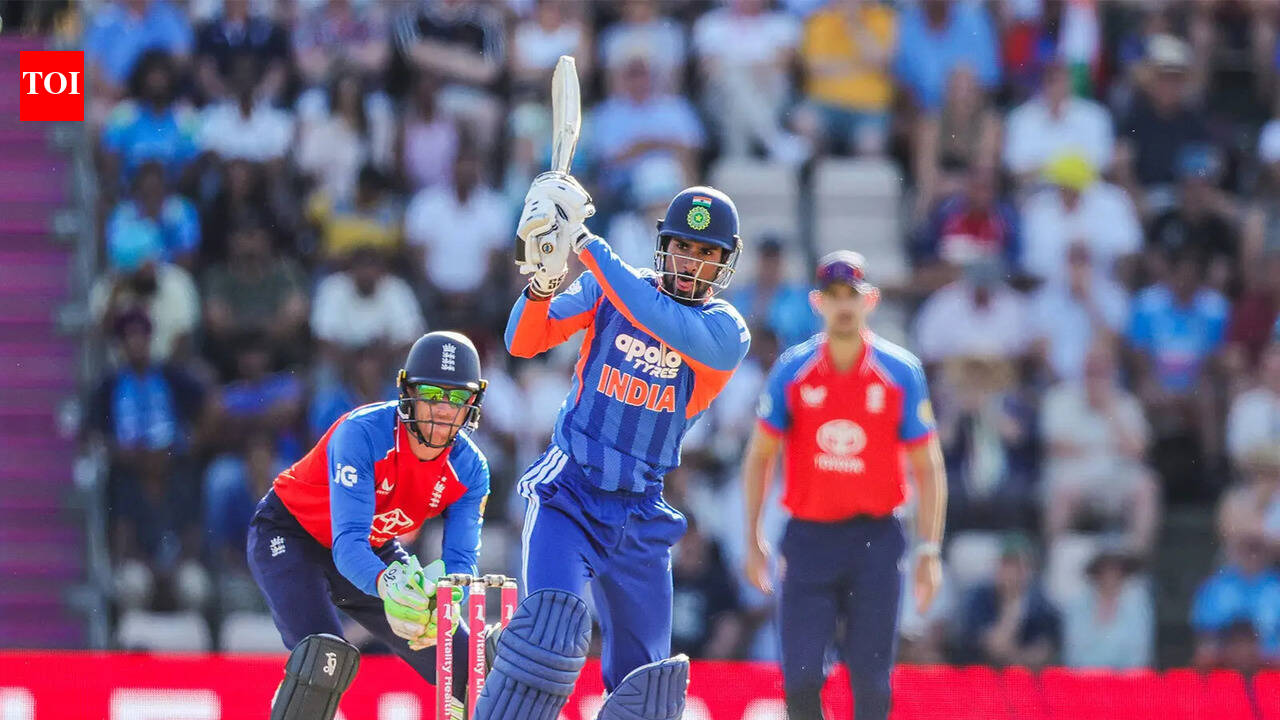
Indian cricketer Tilak Varma has defended his T20I strike rate, emphasizing that his batting approach is dictated by team requirements rather than personal statistics. Despite facing criticism during a challenging UK tour, the vice-captain remains focused on his responsibility to stabilize the innings under pressure.
Tilak Varma Addresses Strike Rate Criticisms Amidst UK Tour Challenges
Indian T20I batter Tilak Varma has recently broken his silence regarding the scrutiny surrounding his strike rate during the team's recent tour of the United Kingdom. The 23-year-old, who faced significant external pressure following a series of inconsistent performances against Ireland and England, maintained that his primary objective is to adhere to the specific roles assigned by the team management. Varma’s defense highlights a fundamental tension in modern T20 cricket: the balance between aggressive, high-risk batting and the necessity of structural stability.
The Context of Team Responsibility
Varma explicitly noted that his approach is not rooted in an inability to score quickly, stating, "I can hit from ball one, but I play according to the situation." This perspective is crucial when analyzing his performance data from the UK tour. In several instances, the Indian top-order experienced collapses, which forced Varma into a rebuilding role. As the designated vice-captain—a position of leadership awarded ahead of experienced peers like Sanju Samson and Ishan Kishan—he views his role through the lens of team necessity, prioritizing the preservation of wickets over individual milestones or aggressive intent when the situation demands caution.
Analyzing the Performance Metrics
Statistical analysis of his UK tour reveals a fluctuating strike rate that mirrors the volatile nature of the matches he participated in. While his strike rate of 131 across the tour was criticized, his individual innings varied wildly, ranging from a 27.27 strike rate in a difficult outing against England to a blistering 218.18 and 212.00 in other matches. This variance suggests that Varma’s output is heavily contingent on the state of the game at the moment of his arrival at the crease, rather than a lack of intent or technical capability.
The Burden of Leadership
Being named vice-captain at 23 carries a unique set of expectations. Varma acknowledged that playing for the country brings significant responsibilities that transcend mere personal stats. By stepping into a leadership role, he is tasked with managing the tempo of the game, a skill that often involves absorbing pressure during middle-order collapses. Critics who focused on his struggles against spin and his perceived slow tempo failed to account for the tactical requirement of building a platform, a reality that Varma insists remains his priority.
Future Outlook for the Men in Blue
As the Indian team shifts its focus toward the upcoming series against Zimbabwe, the leadership group—now led by Shreyas Iyer—faces the challenge of refining their T20I strategy. Varma’s ability to adapt to his environment will be critical as India seeks to improve its performance record. The discourse surrounding his strike rate serves as a broader reminder of the evolving expectations for middle-order batters in the shortest format, where the ability to rotate the strike and stabilize the innings remains as valuable as the ability to clear the boundary.
Conclusion
Ultimately, Tilak Varma’s response underscores a commitment to the team-first philosophy that often defines high-level international cricket. While the criticism regarding his strike rate in the UK tour was grounded in the objective data of the series, Varma’s contextual defense provides necessary insight into the tactical nuances of his role. Moving forward, his evolution as both a batter and a leader will likely be defined by his ability to reconcile the need for aggressive scoring with the strategic requirements of the team management.