RSS to be expanded into 88 regional units: Dattatreya Hosabale
Source Entity
Latest News: Todays Latest News Headlines from India & World | Hindustan Times
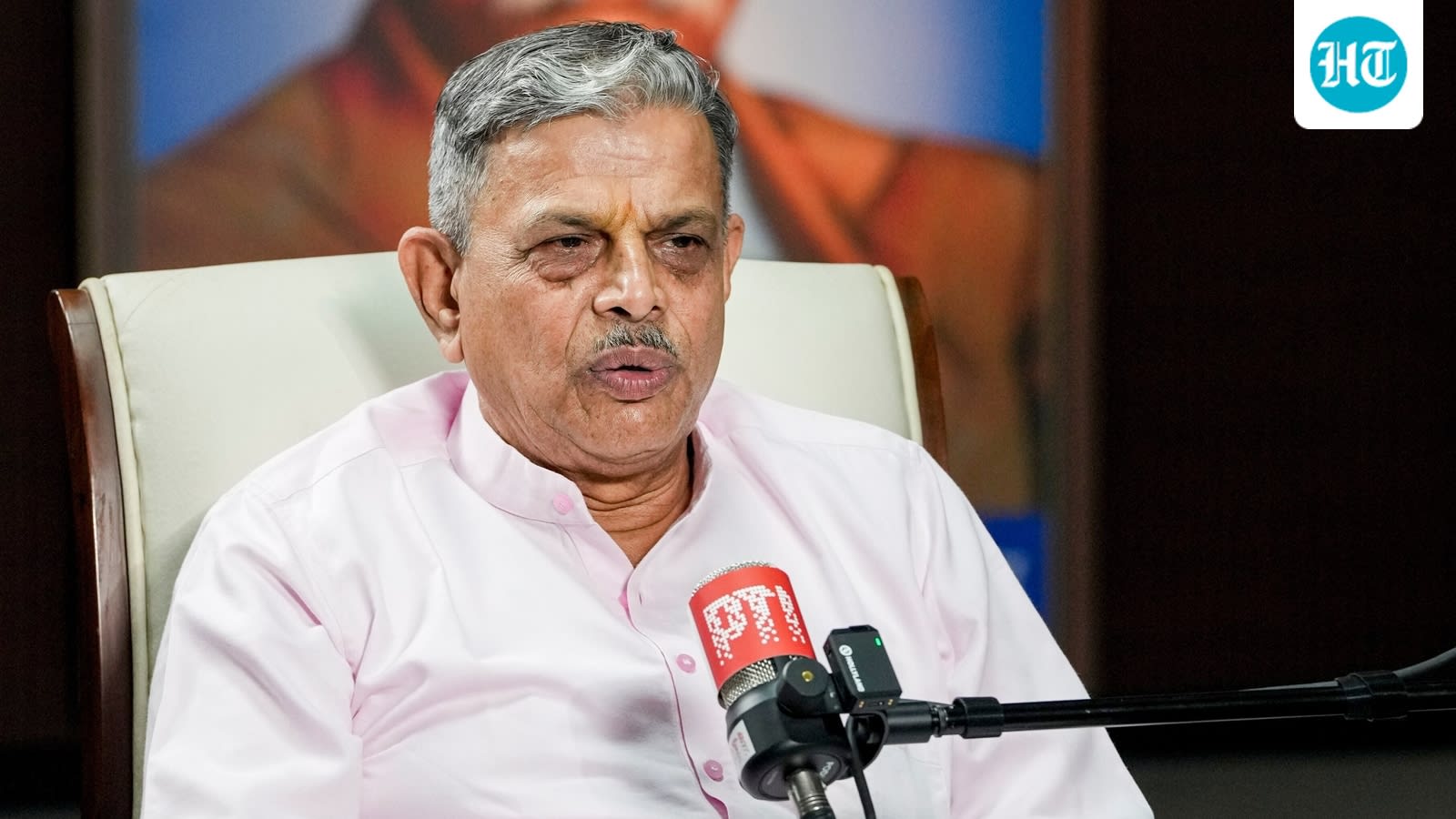
The RSS is restructuring its organization into 88 regional units to enhance operational efficiency ahead of its centenary year. General Secretary Dattatreya Hosabale also highlighted significant growth in West Bengal shakhas and urged for constructive dialogue regarding youth grievances.
RSS Announces Major Organizational Restructuring
The Rashtriya Swayamsevak Sangh (RSS) has officially announced a significant strategic pivot, with General Secretary Dattatreya Hosabale confirming that the organization will expand its administrative framework from 46 regional units (prants) to 88. This announcement, made during the conclusion of a three-day annual meeting at Daly College in Indore, Madhya Pradesh, marks a pivotal shift in the organization's approach to national coordination and grassroots engagement as it approaches its centenary year.
Strategic Expansion and Operational Efficiency
By nearly doubling the number of regional units, the RSS aims to streamline its planning and operational capabilities. The existing structure, which has served the organization for years, is being overhauled to facilitate more localized oversight. This restructuring is clearly designed to ensure that the Sangh’s activities are better synchronized across India’s diverse geographical and cultural landscape, allowing for more agile decision-making and more effective implementation of its ideological and social initiatives.
Growth Metrics and Regional Significance
Central to this expansion narrative is the reported success of the organization’s outreach efforts, particularly in West Bengal. Hosabale highlighted a 150% increase in the number of shakhas (branches) within the state over the past year. Such a sharp rise in presence suggests a deepening of the RSS’s institutional footprint in regions that have historically presented complex political and social challenges, signaling a long-term commitment to increasing its influence at the local level.
Addressing Youth and Societal Concerns
Beyond internal restructuring, the leadership addressed the current socio-political climate, specifically regarding the youth. Hosabale emphasized the importance of addressing the grievances of young people through open and constructive dialogue. His caution against the exploitation of student or youth protests for partisan political purposes suggests a desire to position the RSS as a stabilizing force that prefers institutional engagement over reactionary or opportunistic political mobilization.
The Path Toward the Centenary Year
As the organization moves toward its centenary, this reorganization is not merely administrative; it is a statement of intent. With 103,397 locations now active nationwide, the scale of the RSS’s reach is significant. The transition to 88 units will likely allow the organization to manage this vast network with greater precision, ensuring that the central leadership can maintain closer contact with regional cadres and local branches.
Conclusion and Future Outlook
In summary, the RSS is positioning itself for a new era of organizational maturity. By balancing internal structural growth with a stated focus on youth dialogue and regional expansion, the organization is preparing for long-term sustainability. The upcoming period will likely see the Sangh leveraging its expanded 88-unit structure to cement its presence in new territories while reinforcing its existing strongholds, setting a clear trajectory for its operations in the coming decade.
Verification Required?