"Iranian Hand": Marco Rubio Blames Tehran For Houthi Attacks On Saudi Oil Sites
Source Entity
NDTV News Search Records Found 1000
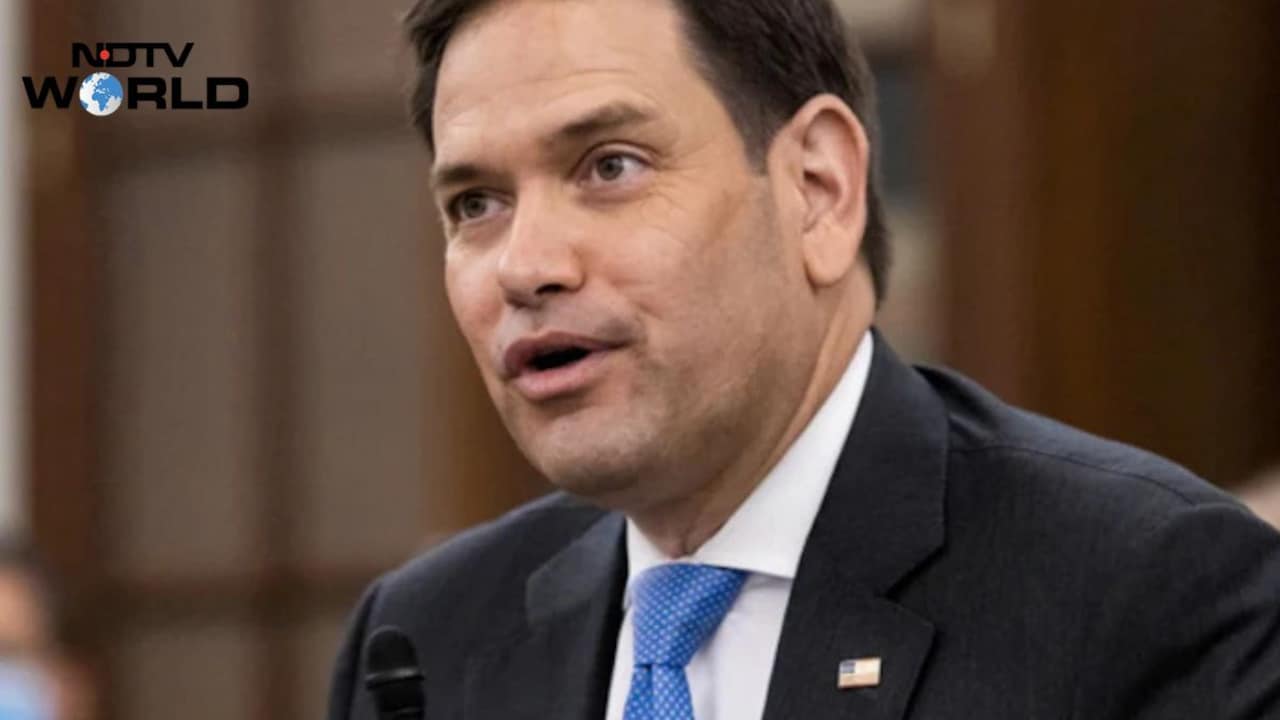
Senator Marco Rubio has explicitly linked Iran to recent Houthi attacks on Saudi oil infrastructure. The U.S. remains committed to defending its Saudi allies while continuing pressure on Iranian maritime assets.
The Escalation of Proxy Conflicts in the Middle East
Recent statements from Senator Marco Rubio have brought renewed attention to the ongoing geopolitical friction in the Middle East, specifically concerning the direct link between Iranian influence and Houthi militant activity. By identifying an 'Iranian hand' behind the strikes on Saudi oil facilities, Rubio has underscored a long-standing U.S. concern regarding the use of proxy forces to destabilize regional energy infrastructure. This accusation reflects Washington's broader strategy of attributing direct responsibility to Tehran for the actions of regional militias that operate with Iranian support.
The Strategic Importance of Saudi Oil Infrastructure
The targeting of Saudi oil sites is not merely a tactical maneuver; it represents a significant threat to global energy security. Saudi Arabia serves as a critical node in the global petroleum market, and disruptions to its facilities have far-reaching economic consequences. By leveraging Houthi militants to strike these sites, observers argue that Iran seeks to exert pressure on the international community and the United States without engaging in direct, state-on-state conventional warfare, thereby maintaining a degree of 'plausible deniability' while achieving strategic objectives.
Maritime Tensions and Economic Warfare
Beyond direct infrastructure attacks, the conflict has extended into the maritime domain. Rubio’s assertion that the U.S. will continue to target Iranian tankers indicates a shift toward aggressive economic deterrence. By disrupting the flow of Iranian oil, the United States aims to curtail the financial resources that fund proxy operations across the region. This maritime strategy serves as a kinetic response to the non-kinetic threats posed by Iranian-backed militias, creating a cycle of escalation that tests the resolve of both nations.
The Role of Intelligence and Proxy Warfare
The mention of specific Iranian figures, such as Mojtaba, in the context of overseeing these operations suggests that the U.S. intelligence community is closely tracking the command-and-control structures behind Houthi activities. This level of scrutiny implies that the U.S. is not only monitoring the battlefield but is also mapping the internal decision-making processes within the Iranian military apparatus. Such intelligence-led approaches are designed to expose the depth of Tehran's involvement, effectively stripping away the facade of local, autonomous Houthi initiatives.
Future Implications for U.S.-Saudi Defense Ties
While Washington has emphasized its strong defense relationship with Saudi Arabia, it has remained cautious about announcing new, large-scale U.S. military operations. This balanced approach—supporting regional allies while avoiding direct entanglement in a full-scale regional war—is a hallmark of current U.S. policy. As ground operations against Houthi advances continue, the U.S. will likely rely on a combination of intelligence sharing, defensive military support, and economic sanctions to manage the threat. The future trajectory of this crisis depends on whether these measures can successfully deter further aggression or if the cycle of proxy warfare will necessitate a more robust, direct international intervention.
Multiple Citing Sources
Verification Required?