Decoding Rubio’s quick second visit to India
Source Entity
Latest News: Todays Latest News Headlines from India & World | Hindustan Times | Hindustan Times
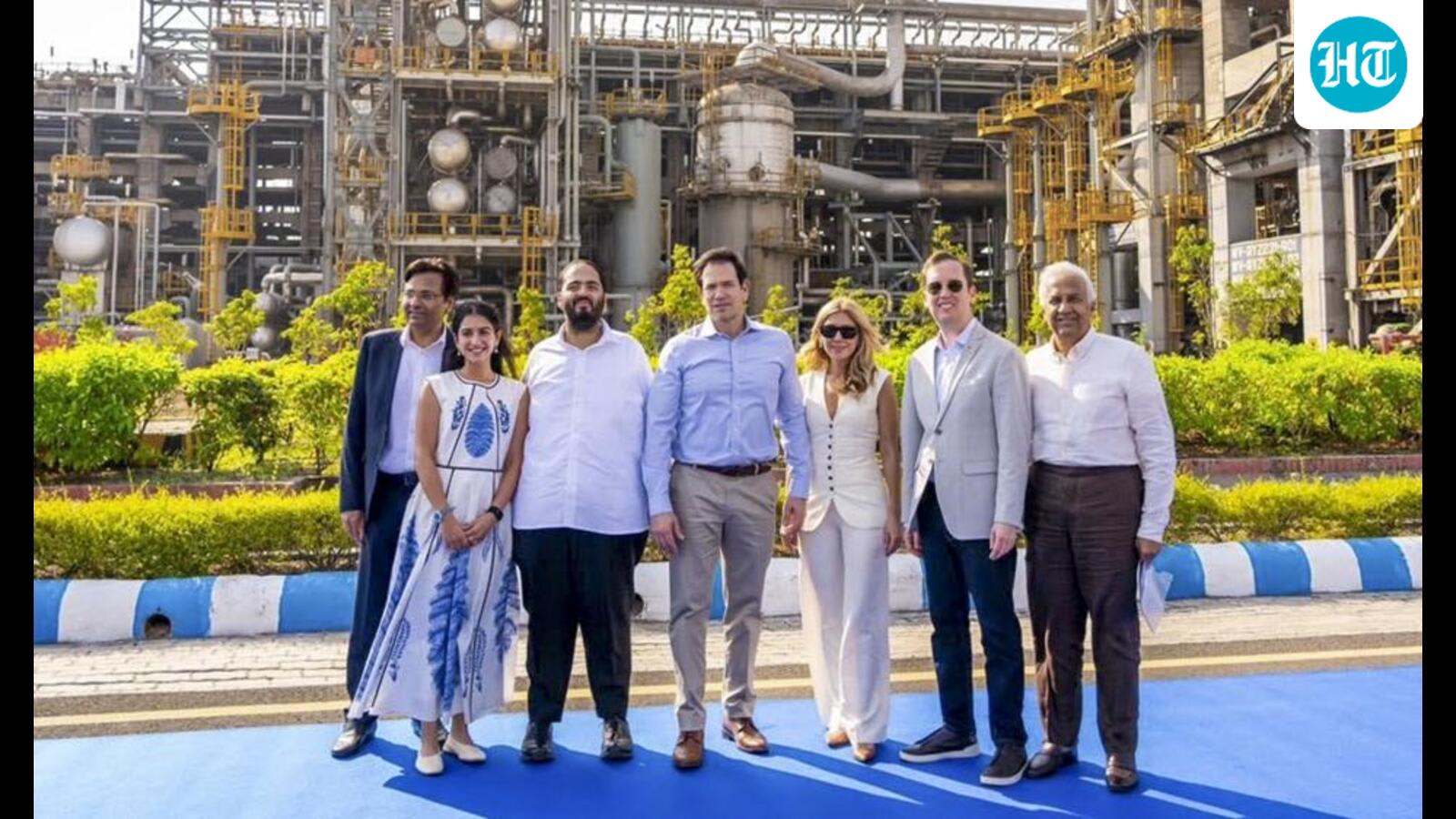
Marco Rubio's recent visit to India highlights a strategic shift in how the Trump administration views the U.S.-India partnership. Despite existing frictions, the administration is prioritizing Indian investment and aligning on specific mutual interests.
The Strategic Significance of Rubio’s Repeated Visits to India
The recent, rapid return of U.S. Secretary of State and National Security Advisor Marco Rubio to Mumbai has sparked significant discussion regarding the evolving nature of U.S.-India relations. While observers noted the frequency of his travel as unusual compared to standard diplomatic rotations for European or West Asian allies, this heightened engagement suggests a deliberate recalibration of the U.S. approach toward New Delhi. By visiting twice within a short window, Rubio is signaling that the Trump administration views India not merely as a regional partner, but as a core component of its evolving foreign policy architecture.
Shifting Paradigms from Biden to Trump
There exists a palpable difference in how the current administration navigates the complexities of the U.S.-India relationship compared to the Joe Biden era. While the previous administration emphasized a broad, value-based alignment, the Trump administration appears to be pivoting toward a more transactional, interest-driven framework. This shift does not imply a lack of importance; rather, it highlights a prioritization of specific objectives, such as economic integration and shared security concerns, which the White House believes are essential to its broader "America First" goals.
Economic Diplomacy as a Core Pillar
Central to Rubio’s recent mission is the push for greater economic synergy, specifically the encouragement of Indian investment within the United States. By touting these investments, the administration is attempting to weave India into the domestic economic narrative of the U.S., framing the partnership as a source of job creation and industrial growth. This marks a departure from traditional geopolitical discourse, moving the relationship toward a model where mutual commercial gain serves as the bedrock for deeper strategic alignment.
Addressing Frictions and Managing Expectations
It would be inaccurate to characterize the relationship as entirely seamless. The current discourse acknowledges that "frictions" persist, likely stemming from differing approaches to trade, regulatory hurdles, or regional geopolitical strategies. However, Rubio’s presence suggests that the Trump administration is willing to navigate these points of contention directly. By maintaining high-level communication, the administration aims to manage these disagreements without allowing them to stall the momentum of the broader strategic partnership.
Future Trends in U.S.-India Relations
Looking forward, the frequency of such high-level visits suggests a future defined by accelerated integration. As the U.S. seeks to diversify its supply chains and strengthen its position in the Indo-Pacific, India’s utility becomes increasingly apparent. We can expect future diplomatic efforts to focus heavily on specific, measurable outcomes—particularly in technology transfers, defense cooperation, and capital flows—as both nations seek to harmonize their agendas while acknowledging the unique, and sometimes challenging, nature of their respective national interests.
Verification Required?