Rubio comments on Modi-Pezeshkian meeting as India reaffirms plans to expand trade with Iran
Source Entity
Latest News: Todays Latest News Headlines from India & World | Hindustan Times | Hindustan Times
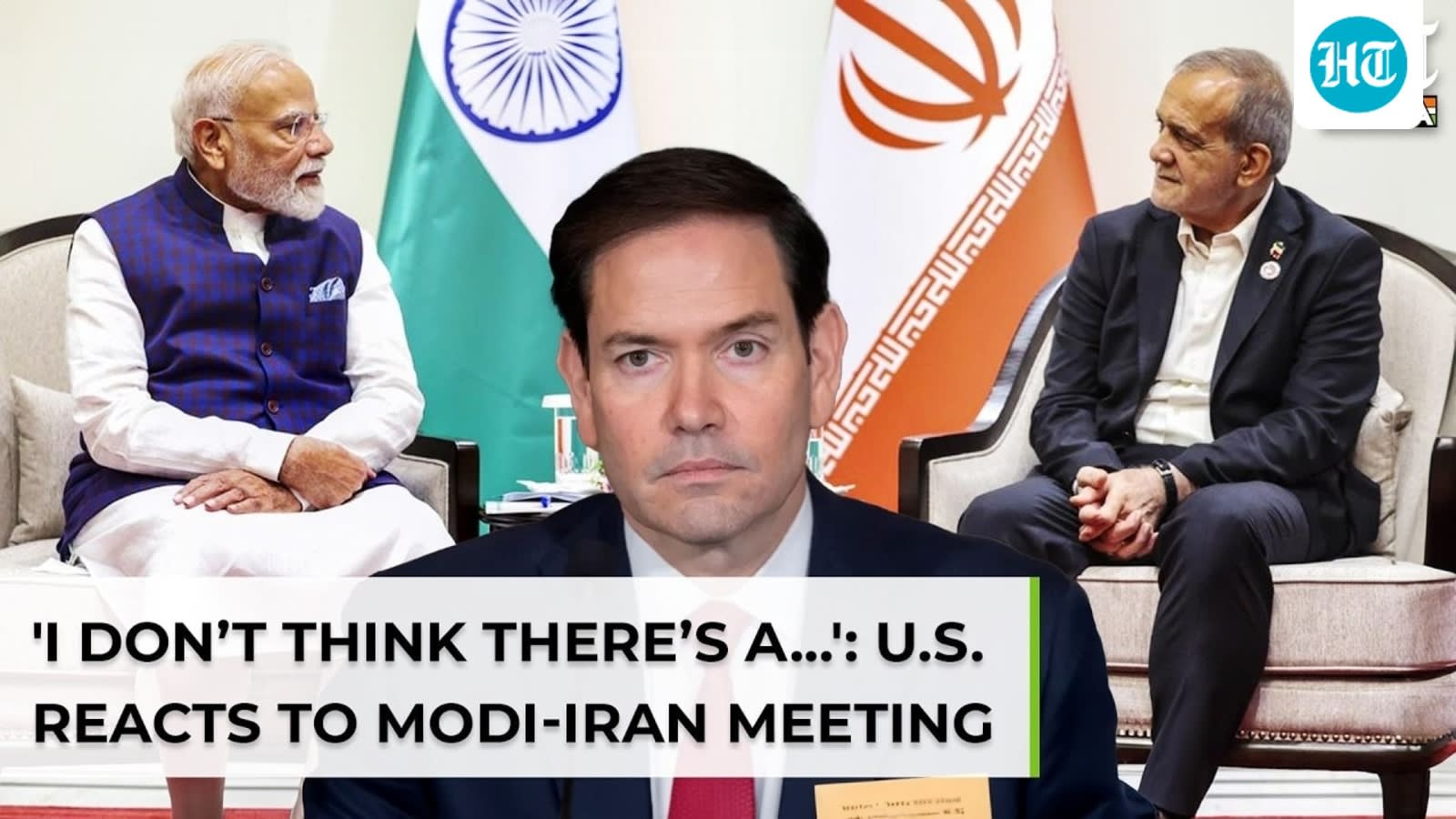
US Secretary of State Marco Rubio has scrutinized India's diplomatic engagement with Iran following a meeting between Prime Minister Modi and President Pezeshkian. While India maintains its commitment to expanding bilateral trade, Washington has issued a stern warning regarding the circumvention of US sanctions.
Diplomatic Balancing Act: The Modi-Pezeshkian Meeting
The recent meeting between Indian Prime Minister Narendra Modi and Iranian President Masoud Pezeshkian in Bishkek has brought the complex geopolitical tightrope walked by New Delhi into sharp focus. As India seeks to balance its strategic autonomy with its vital relationship with the United States, this high-level engagement has prompted an immediate response from Washington, specifically from US Secretary of State Marco Rubio.
The US Stance on Sanctions and Compliance
Secretary of State Marco Rubio’s public questioning of whether India and Iran are currently negotiating a formal trade deal underscores the heightened sensitivity of the Biden administration regarding Iran. Rubio’s rhetoric, while acknowledging the sovereign right of nations to pursue independent foreign policies, serves as a pointed reminder of the risks associated with deepening economic ties with Tehran. The US remains committed to its maximum pressure campaign, and any perceived assistance in helping Iran evade international sanctions is viewed as a significant point of contention.
India’s Strategic Interests in Iran
For India, the relationship with Iran is not merely about trade; it is a strategic necessity. The development of the Chabahar Port remains a cornerstone of India’s connectivity ambitions, providing a gateway to Afghanistan and Central Asia that bypasses Pakistan. By reiterating its commitment to strengthening ties and expanding bilateral trade, the Modi government is signaling that its regional developmental goals remain a priority, regardless of the shifting winds in Western-Iranian relations.
Navigating Geopolitical Pressures
This development highlights the broader challenge of navigating a multipolar world where economic interests often collide with security alliances. India has consistently maintained a policy of 'multi-alignment,' ensuring that its interactions with Iran do not necessarily signify a pivot away from its robust partnership with the United States. However, the scrutiny from Washington suggests that the margin for error is narrowing as the geopolitical climate becomes more polarized.
Future Outlook and Implications
Looking ahead, the trajectory of India-Iran relations will likely be defined by how successfully New Delhi can compartmentalize its trade objectives from the broader sanctions regime. If India proceeds with significant economic agreements, it may face increased diplomatic pressure or potential secondary compliance challenges. Conversely, if Washington continues to push back, India may be forced to slow its pace, potentially impacting its long-term infrastructure projects in the region.
Concluding Summary
The meeting in Bishkek serves as a microcosm of the modern diplomatic landscape, where sovereign interests are frequently tempered by the realities of global sanctions and power dynamics. While India remains steadfast in its desire to expand trade with Iran for regional connectivity, the cautionary stance adopted by Secretary Rubio reflects the persistent tension between global strategic objectives and national economic imperatives.
Verification Required?