Explosive drone hits Germany: US ally warns this could be start of something bigger
Source Entity
Latest News: Todays Latest News Headlines from India & World | Hindustan Times | Hindustan Times
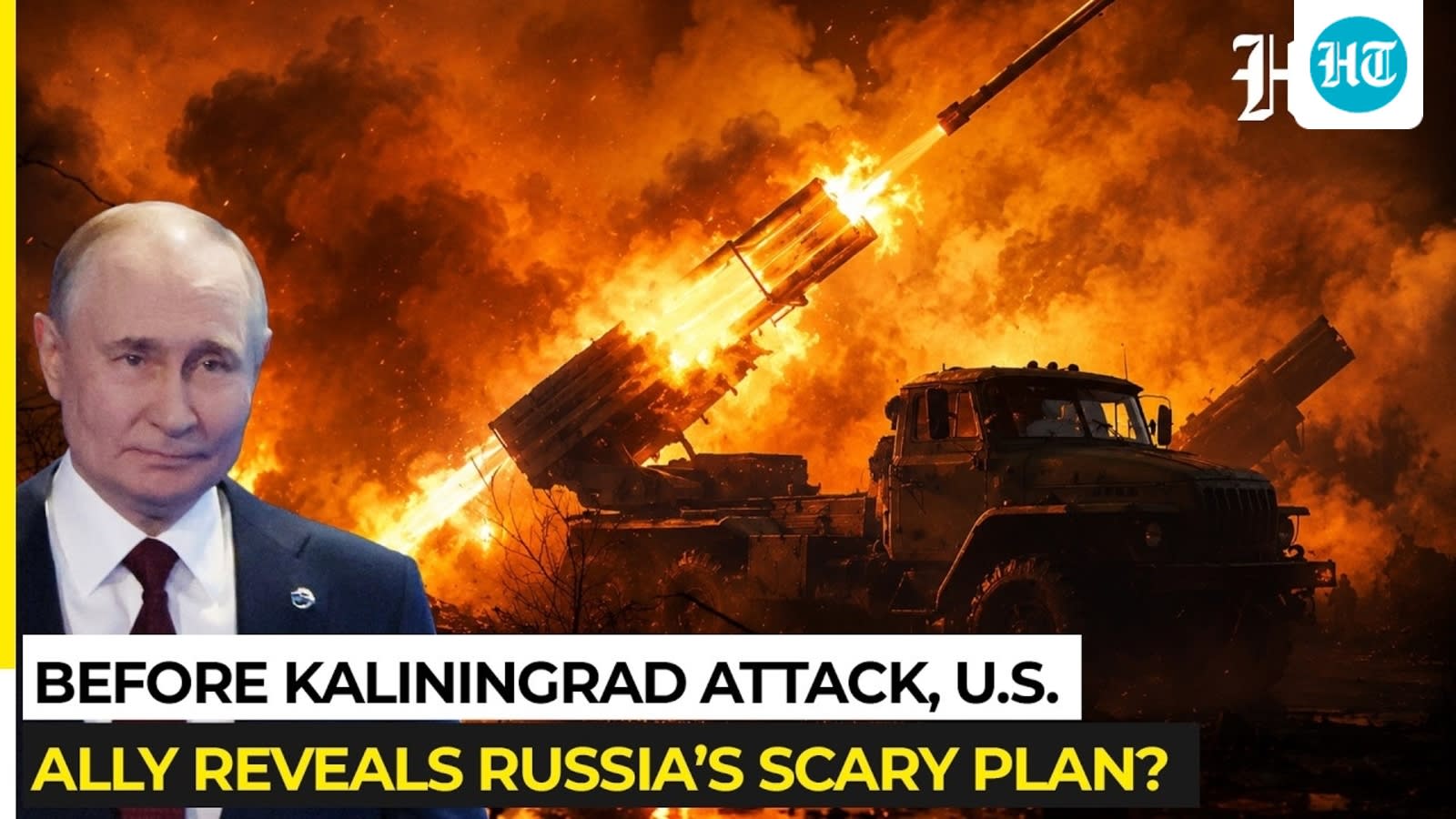
European officials have identified Russia as the primary suspect in a escalating sabotage campaign targeting military and defense logistics sites. Lithuania has warned that current deterrence measures are insufficient, urging a more robust response to prevent further attacks.
The Escalation of Sabotage: A New Front in the Russia-Europe Conflict
Recent intelligence and investigative findings have pointed toward a coordinated and escalating campaign of sabotage across Europe, with Russia emerging as the primary suspect. The most notable incident involves an alleged plot at Leipzig/Halle Airport in Germany, where drones packed with explosives were discovered. Given that this airport serves as a critical logistics hub for transporting military goods to Ukraine, the incident represents a dangerous shift in the nature of the conflict, moving from geopolitical posturing to direct threats against European infrastructure.
Germany’s Formal Accusation and the Russian Response
Germany’s Interior Minister has explicitly declared that Russia bears responsibility for the attempted sabotage at Leipzig. This formal attribution marks a significant moment in European security policy, as it moves beyond mere suspicion to official state-level identification. Predictably, the Kremlin has denied these allegations, with Russian officials dismissing the claims as "absurd" and President Vladimir Putin demanding proof. This dynamic of accusation and denial has become a hallmark of modern hybrid warfare, where attribution is weaponized alongside physical sabotage.
The Strategic Shift Toward Military Logistics
The targeted nature of these incidents—specifically focusing on military and defense sector sites—suggests a strategic intent to disrupt the flow of aid to Ukraine. By targeting transit hubs like Leipzig, the perpetrators are attempting to create a "chilling effect" on the supply chain. This represents a departure from traditional espionage, signaling a transition toward kinetic sabotage intended to degrade the operational capacity of European nations supporting the Ukrainian war effort.
Lithuania’s Warning on Deterrence Failure
Lithuania, a frontline state deeply attuned to Russian security threats, has issued a stark warning that these attacks are likely to escalate. Their assessment suggests that previous deterrence measures—such as sanctions and diplomatic warnings—have failed to alter Moscow’s behavior. The failure of these traditional tools poses a severe question for the European Union: how to effectively deter a state actor that appears willing to bypass diplomatic norms to achieve tactical disruption within EU borders.
Broader Implications and Future Trends
As Europe faces this persistent campaign, the implications for collective security are profound. The vulnerability of civilian infrastructure utilized for military logistics creates a complex security dilemma. If such sabotage continues, EU leaders will likely be forced to adopt a much more robust and integrated defense posture. This could involve increased surveillance of transportation hubs, enhanced counter-intelligence operations, and potentially a formal shift in how the EU defines and responds to acts of hybrid warfare.
Conclusion
The sabotage campaign targeting Germany and other European sites serves as a grim reminder that the conflict in Ukraine is not contained by borders. The transition from cyber-interference to physical explosive threats marks a volatile evolution in the confrontation between Russia and the West. As European leaders deliberate on a stronger response, the continent must grapple with the reality that the era of relying solely on traditional deterrence may be coming to a close.
Verification Required?