Europe targeted by spiralling campaign of sabotage and Russia is the chief suspect
Source Entity
BBC News
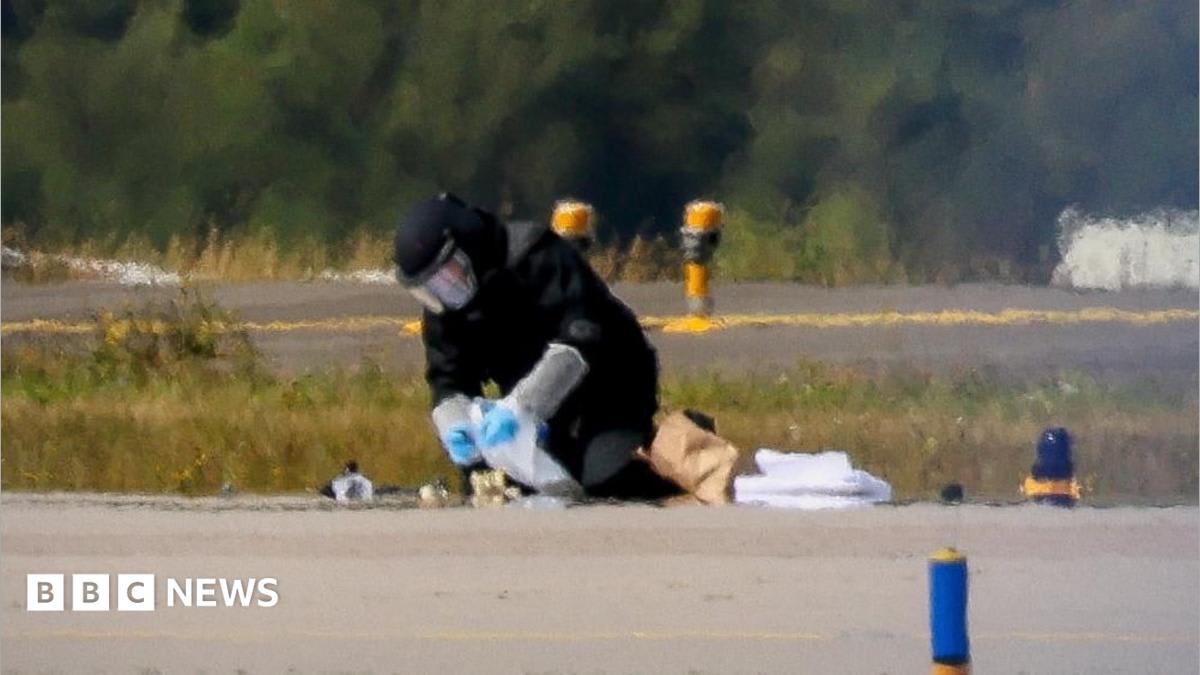
European officials have identified Russia as the primary suspect behind a series of sabotage attempts, including an explosive drone incident at Leipzig airport. Lithuania and other EU leaders warn that these attacks signify a dangerous escalation in Moscow's hybrid warfare strategy.
The Escalation of Hybrid Warfare in Europe
Recent reports indicate a disturbing shift in the geopolitical landscape as Europe faces a coordinated campaign of sabotage. The most prominent incident involves an explosive drone plot discovered at Germany’s Leipzig/Halle Airport, a critical logistics hub used for transporting military aid to Ukraine. German authorities, following an extensive investigation, have officially attributed responsibility for this incident to Russia, marking a significant hardening of diplomatic and security stances between Berlin and Moscow.
Beyond the Leipzig Incident
The Leipzig drone discovery is not an isolated event but rather a focal point in a wider, systemic pattern of suspicious activity targeting European infrastructure. Throughout the summer months, while political discourse in many European capitals slowed due to the holiday season, intelligence reports suggest that Russian operations remained hyper-active. This campaign has specifically targeted military and defense-related facilities, signaling a strategic intent to disrupt the logistics chains that support Ukraine’s defensive efforts.
The Failure of Traditional Deterrence
Lithuania, a vocal critic of the Kremlin’s expansionist policies, has issued stark warnings regarding this escalation. Their intelligence and political leadership argue that the current framework of deterrence—which has relied heavily on sanctions and diplomatic pressure—has failed to alter Moscow’s behavior. The persistence of these sabotage attempts suggests that Russia is willing to accept higher risks to undermine European support for Ukraine, testing the collective security resolve of the European Union.
Strategic Implications for the EU
These events pose a profound challenge to European unity and security protocols. By targeting sites within NATO and EU member states, these acts of sabotage are designed to create a sense of vulnerability and uncertainty. For Germany, the transition from viewing these incidents as isolated anomalies to identifying them as state-sponsored sabotage represents a pivot toward a more securitized internal policy. EU leaders are now under mounting pressure to formulate a unified, robust response that goes beyond previous measures.
Russia’s Denial and the Information War
In response to these allegations, the Kremlin has predictably dismissed the accusations as "absurd," demanding proof while simultaneously engaging in a broader information war to obfuscate responsibility. This tactic of "plausible deniability" is a hallmark of Russian hybrid warfare. By maintaining a thin veil of ambiguity, Moscow attempts to fracture the consensus among EU nations, hoping that a lack of absolute consensus on attribution will prevent a decisive, collective countermeasure.
Future Trends and Security Outlook
Looking ahead, it is highly probable that Europe will see an increase in security measures around defense and transport infrastructure. The shift from overt military conflict in Ukraine to clandestine sabotage across the continent suggests that the "gray zone" of conflict is widening. As the EU navigates these threats, the focus will likely shift toward enhanced intelligence sharing, increased surveillance of critical logistics hubs, and a re-evaluation of what constitutes an "act of war" in the modern era of hybrid threats.
Multiple Citing Sources