Saharanpur: Illegal mosque inside DM office complex demolished under high security
Source Entity
ROHITASHWA RANJAN
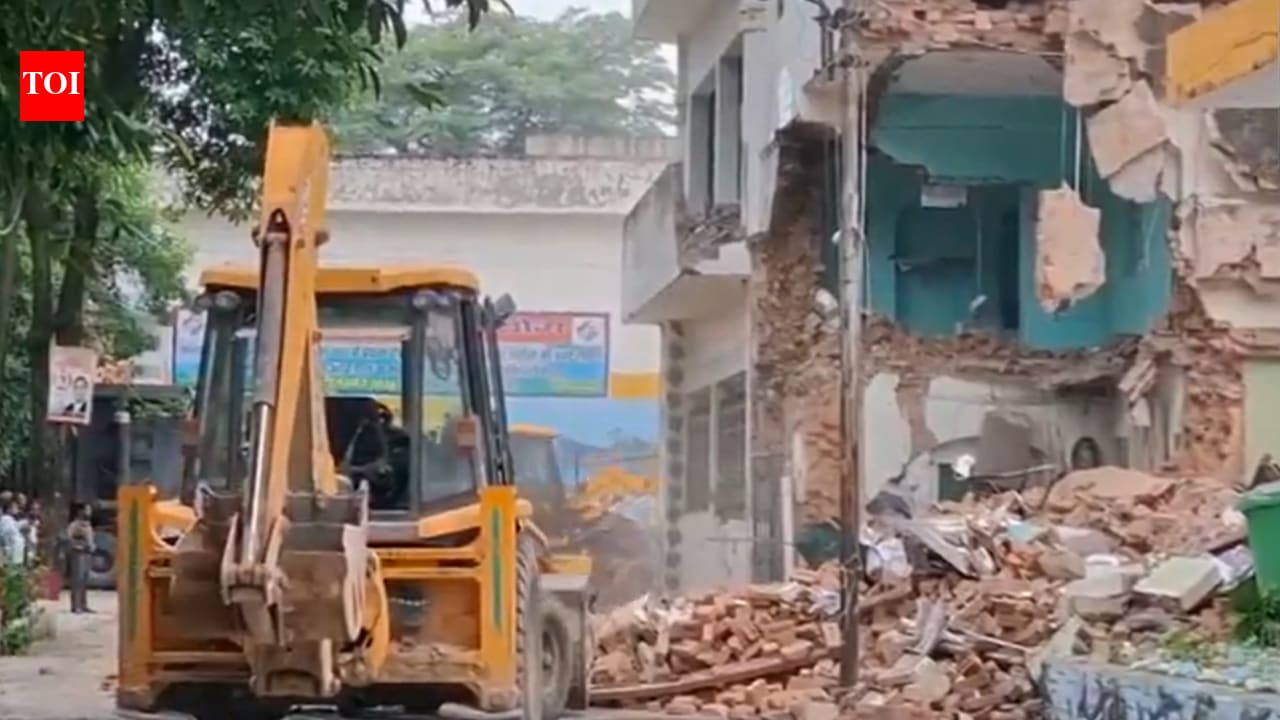
Authorities in Saharanpur, Uttar Pradesh, demolished an illegal mosque located within the District Magistrate's office complex following a court-backed order. The operation was conducted under high-security measures amid political tensions and reports of restricted movement for opposition representatives.
Administrative Action in Saharanpur: The Demolition of a Disputed Structure
On Saturday, September 5, 2026, local authorities in Saharanpur, Uttar Pradesh, executed the demolition of a mosque situated within the District Magistrate’s (DM) office complex. This action followed a series of legal deliberations that concluded the structure was an unauthorized encroachment on government property. The demolition was carried out under the supervision of senior administrative officials, including the Sub-Divisional Magistrate (SDM) and the City Magistrate, ensuring the enforcement of a court-mandated order.
Legal Foundation and Judicial Process
The origins of this administrative action trace back to a ruling by the City Magistrate in July 2026, which formally declared the mosque illegal and ordered its removal. The mosque management committee subsequently challenged this decision; however, the District Judge’s court dismissed their appeal on September 4, 2026. By upholding the lower court's decision, the judiciary effectively cleared the path for the administration to reclaim the government land, citing the structure as an encroachment on public premises.
Security Protocols and Operational Execution
Given the sensitive nature of the demolition, the Saharanpur Collectorate complex was placed under a high-security lockdown. Local police, supported by the Provincial Armed Constabulary (PAC), were deployed to maintain order. All gates to the complex were shut, and a significant security presence was maintained throughout the duration of the operation to prevent any potential civil unrest or interference with the administrative process.
Political Repercussions and Tensions
The demolition has sparked immediate political debate, highlighting the intersection of land-use policy and religious infrastructure. Reports emerged that Kairana Lok Sabha MP Iqra Hasan was prevented from reaching the site during the operation, with claims of house arrest surfacing from the Samajwadi Party. Such incidents underscore the broader political friction surrounding the state's approach to clearing government land of disputed religious structures.
Broader Implications for Land Governance
This event reflects a growing trend in Uttar Pradesh regarding the strict enforcement of land-use laws, particularly concerning structures built on government-owned complexes. By utilizing judicial validation before proceeding with demolition, the administration seeks to frame these actions as regulatory compliance rather than purely political maneuvers. However, the involvement of high-ranking police officials and the necessity for massive security deployments illustrate the volatile nature of such operations in a state where religious and administrative boundaries are frequently contested.
Future Trends in Administrative Enforcement
The Saharanpur case serves as a precedent for how future disputes over structures within government complexes might be handled. As authorities continue to prioritize the recovery of public land, it is likely that similar legal battles will persist. The reliance on judicial orders, coupled with rigorous enforcement, suggests a shift toward a more formalized approach to resolving encroachment cases, though this will likely continue to face opposition from affected stakeholders and political critics who view these actions as exclusionary.
Multiple Citing Sources