IAS Officer Sajjan Singh Yadav Named New Jammu And Kashmir Chief Secretary
Source Entity
NDTV News Search Records Found 1000
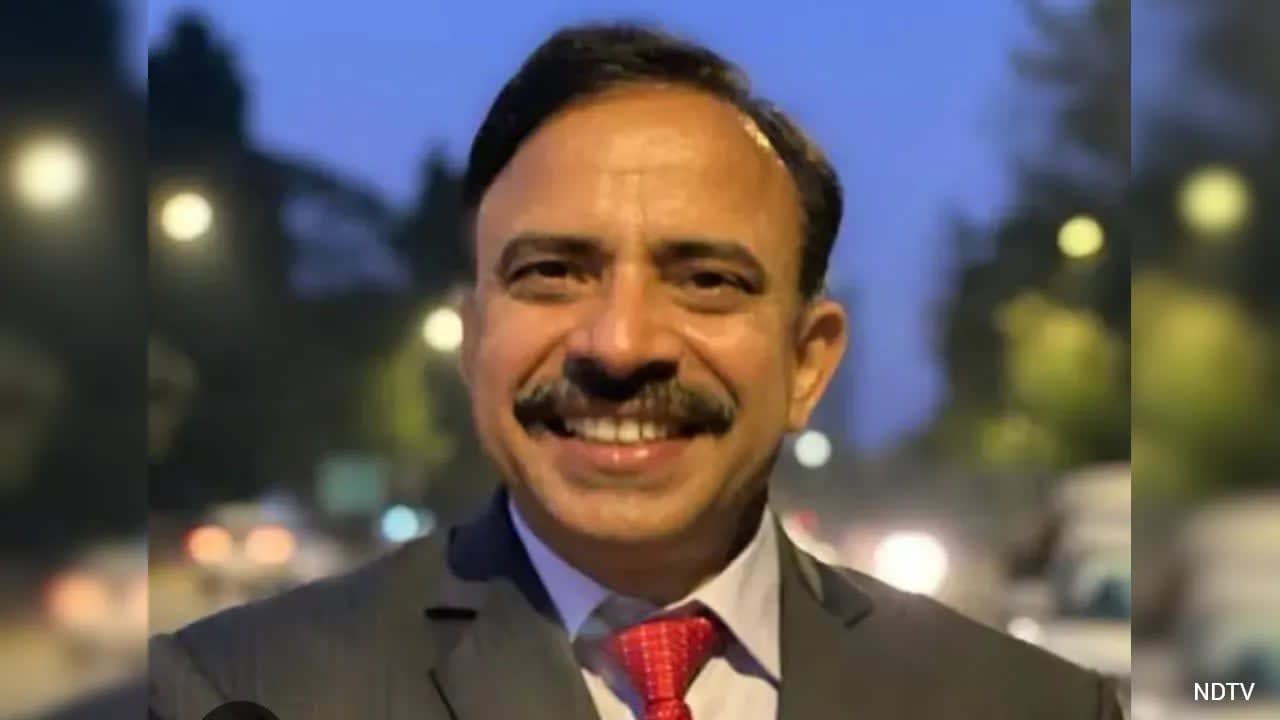
Dr. Sajjan Singh Yadav, a 1995-batch AGMUT cadre IAS officer, has been appointed as the new Chief Secretary of Jammu and Kashmir. He will succeed Atal Dulloo on November 1, 2026, marking a significant administrative shift in the region.
Transition in Jammu and Kashmir Administration
The central government has officially announced the appointment of Dr. Sajjan Singh Yadav as the new Chief Secretary of Jammu and Kashmir. An Indian Administrative Service (IAS) officer from the 1995 batch, Dr. Yadav is set to assume this critical role on November 1, 2026. This administrative transition comes as the current Chief Secretary, Atal Dulloo, reaches the end of his tenure on October 31, 2026.
Breaking the Cadre Precedent
What makes this appointment particularly notable is that Dr. Yadav belongs to the Arunachal Pradesh, Goa, Mizoram, and Union Territories (AGMUT) cadre. He is distinguished as the first officer from this joint cadre to serve as the Chief Secretary of Jammu and Kashmir. This decision by the Ministry of Home Affairs, formalized by Director Anish Muraleedharan, signals a shift in the central government’s approach to administrative appointments in the Union Territory, moving beyond the traditional pool of senior officers previously stationed within the region.
The Administrative Landscape
Dr. Yadav steps into a complex political and bureaucratic environment. As he assumes office, he will be tasked with managing a significant backlog of files that have been approved by the elected government but currently await clearance from the Chief Secretary’s office before they can be forwarded to the Lieutenant Governor for final approval. The efficiency with which he navigates these procedural hurdles will be a key indicator of the functional harmony between the elected representatives and the administrative apparatus.
Challenges of the New Role
Beyond the immediate backlog, the incoming Chief Secretary will be managing a delicate balance of power. Given the current political architecture of Jammu and Kashmir, where the Chief Secretary acts as the vital bridge between the local government and the Lieutenant Governor, Dr. Yadav’s role will be pivotal. His ability to streamline communication and decision-making will be essential in maintaining governance stability during a period of transition.
Future Implications and Governance Trends
By selecting an officer from the AGMUT cadre despite a queue of senior officers already present in J&K, the central government has demonstrated a preference for specific administrative experience and continuity. This move suggests that the Union government is prioritizing a centralized approach to the administrative oversight of the Union Territory. Observers will be closely monitoring how this appointment influences policy implementation and the speed of bureaucratic processes in the coming months.
Conclusion
Dr. Sajjan Singh Yadav’s appointment represents a strategic recalibration of the Jammu and Kashmir administrative leadership. As he takes charge on November 1, he inherits a system requiring both delicate diplomatic handling and robust bureaucratic efficiency. His tenure will likely be defined by how effectively he balances the mandates of the elected government with the administrative oversight provided by the Lieutenant Governor’s office.
Verification Required?