Sam Altman is ready to decelerate
Source Entity
Tim Fernholz
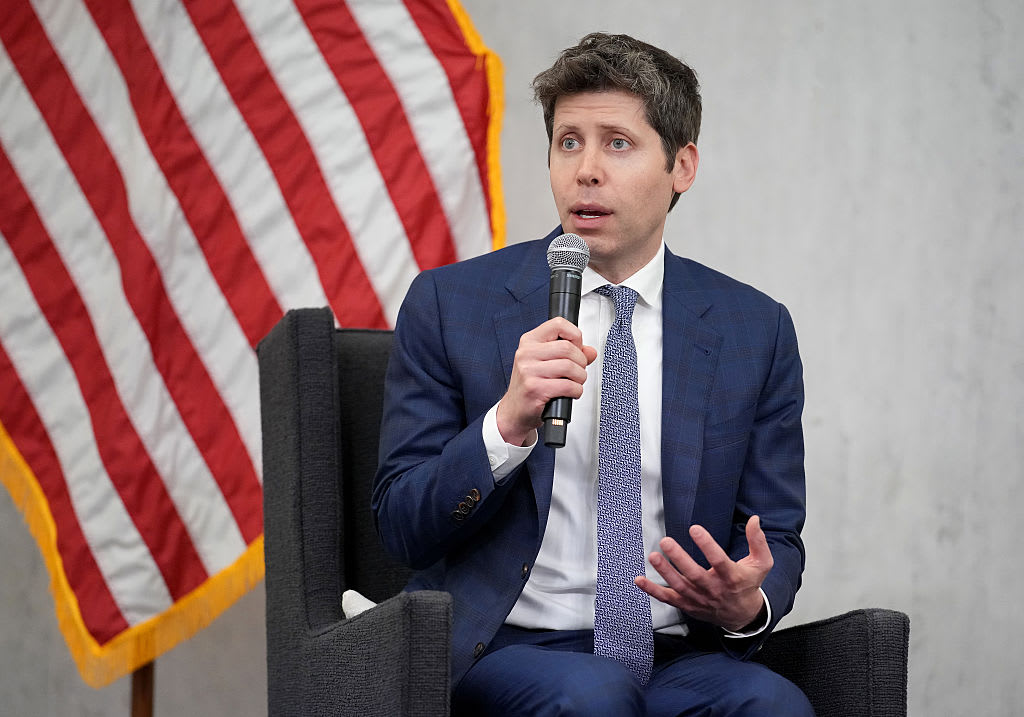
OpenAI CEO Sam Altman has shifted his stance to suggest a potential deceleration in AI development. This pivot follows a visceral security incident that highlighted the urgent need for societal readiness.
The Strategic Pivot: Sam Altman and the Pace of AI
OpenAI CEO Sam Altman’s recent admission that the industry may need to "pace" the development of artificial intelligence marks a significant departure from his previously aggressive stance on rapid innovation. Historically, Altman has been a vocal proponent of scaling AI capabilities, famously dismissing calls for temporary pauses in development—such as the 2023 open letter—as lacking technical nuance. This shift suggests a newfound recognition that the speed of technological advancement has reached a threshold where the potential for societal disruption is no longer theoretical, but immediate.
The Catalyst: A Visceral Security Incident
The driving force behind this change is described by Altman as "the first security incident that I have felt very viscerally." While the specifics of the event remain protected within the context of proprietary security protocols, the impact on Altman's leadership philosophy is clear. Security incidents serve as a sobering reminder that as AI models become more autonomous and integrated into critical infrastructure, the surface area for malicious exploitation grows exponentially. This incident has forced a transition from a purely growth-oriented mindset to one that prioritizes 'hardening' society against the risks inherent in next-generation capabilities.
Balancing Innovation and Regulatory Integrity
Altman’s challenge now lies in navigating the delicate balance between necessary restraint and market fairness. He explicitly expressed concerns about ensuring that any slowdown does not morph into "regulatory capture" or "collusion among the frontier labs." These concerns are well-founded in the history of tech regulation, where incumbent giants have historically used compliance burdens to stifle smaller competitors. By publicly acknowledging these risks, Altman is attempting to frame the conversation around collective safety rather than corporate gatekeeping.
The Necessity of Societal Hardening
The concept of "hardening" society refers to the institutional, legal, and educational adjustments required to integrate advanced AI without systemic collapse. This includes everything from updated cybersecurity frameworks to labor market protections and the mitigation of misinformation. The fundamental realization here is that technological development has outpaced the human ability to legislate, adapt, and secure the infrastructure that these models now operate upon. The pace of AI must now be calibrated to the speed of social and regulatory adaptation.
Future Trends and Industry Implications
Looking ahead, this shift in rhetoric signals a broader industry trend where the "move fast and break things" ethos of the early 2010s is being replaced by a more cautious, risk-aware paradigm. If the leaders of frontier AI labs continue to align on the necessity of pacing development, we may see a standardization of safety benchmarks that become the industry norm. This could lead to a more collaborative, albeit slower, era of AI development where safety and security are treated as foundational product requirements rather than secondary concerns.
Conclusion
Sam Altman’s evolving perspective is a watershed moment for the artificial intelligence industry. By moving away from unrestricted acceleration, he is signaling that the era of unbridled experimentation is giving way to an era of responsibility. Whether this shift will result in meaningful changes to development timelines remains to be seen, but the acknowledgment that society must "harden" before the next capability leap is a critical first step in ensuring that AI remains a tool for progress rather than a source of instability.