Sam Altman addresses RAM comments: people should ‘put as much as they want in their computers’
Source Entity
Stevie Bonifield
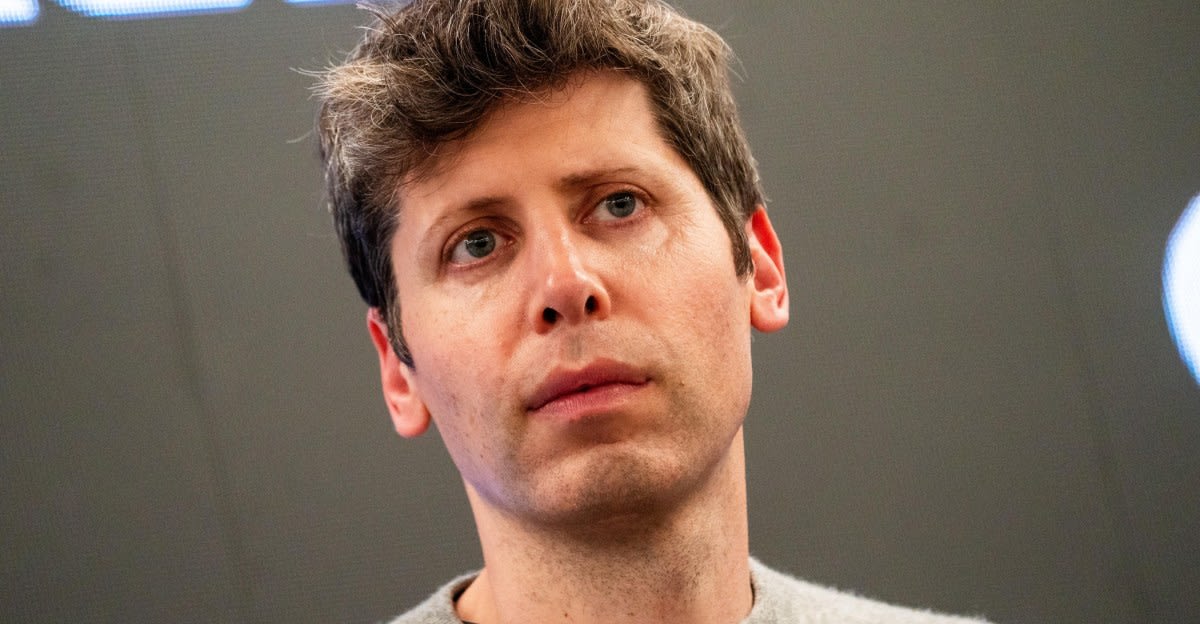
OpenAI CEO Sam Altman rebranded his X profile to 'Ram Altman' following a public misunderstanding regarding his stance on PC memory usage. He clarified that he advocates for increased global DRAM production rather than limiting personal consumer access.
The 'Ram Altman' Phenomenon: Contextualizing the DRAM Debate
OpenAI CEO Sam Altman found himself at the center of an unexpected social media firestorm on election night, triggered by comments regarding the allocation of Dynamic Random Access Memory (DRAM). The controversy stems from his appearance on the Cheeky Pint podcast, where he characterized the practice of keeping large amounts of DRAM in personal computers—often utilized at only five percent capacity—as a misallocation of the world's limited supply. This perspective, which prioritizes the massive memory requirements of AI data centers, struck a nerve with the tech-enthusiast community, leading to widespread criticism of his perceived elitism regarding hardware resources.
Clarifying the Stance on Hardware Scarcity
In response to the backlash, Altman took to X to clarify his position, explicitly stating his desire for the world to have "tons of memory" and encouraging users to install as much as they desire in their personal machines. By rebranding his account to "Ram Altman"—a move initiated by a user suggestion—he sought to pivot from the narrative that he opposes personal computing power. Altman argued that his true goal is to see a significant global ramp-up in memory production, suggesting that the current scarcity is a bottleneck for both consumer utility and enterprise AI scaling.
The Hardware Bottleneck in AI Development
The core tension here reflects a broader industry reality: the insatiable appetite of AI models for high-bandwidth memory. As OpenAI and other frontier labs continue to train increasingly complex large language models, the demand for high-performance chips and DRAM has surged, often outpacing supply chains. Altman’s initial comments, while arguably blunt, touch on a genuine economic dilemma regarding how limited semiconductor resources should be distributed between individual end-users and the data centers that drive the current wave of artificial intelligence innovation.
Philosophical Underpinnings of Control
Beyond the technical debate, the incident highlights Altman’s broader philosophy regarding the trajectory of artificial intelligence. Amid the memory discourse, he reaffirmed his belief that humans must remain in control of the future. He explicitly rejected the notion that humanity should be relegated to a secondary role, merely performing tasks that AI systems deem worthy of reward. This philosophical stance suggests that Altman views his advocacy for AI infrastructure not as a move to diminish human agency, but as a necessary step to ensure that the tools of the future are sufficiently robust to empower, rather than replace, human intellect.
Future Trends and Industry Implications
Looking forward, the "Ram Altman" episode serves as a case study for the communication challenges faced by leaders of high-impact AI companies. As AI continues to influence hardware standards and supply chain priorities, the public’s sensitivity to how these technologies impact their personal computing experience will likely increase. If the industry successfully scales DRAM production as Altman advocates, the current tension between consumer hardware and data center requirements may subside. However, until that supply-demand equilibrium is reached, leaders like Altman will likely continue to face scrutiny whenever their vision for technological progress appears to conflict with the established norms of individual hardware ownership.