From H-1B Curbs To Racism: What Shaped The Indian-American Vote In Midterms
Source Entity
NDTV News Search Records Found 1000
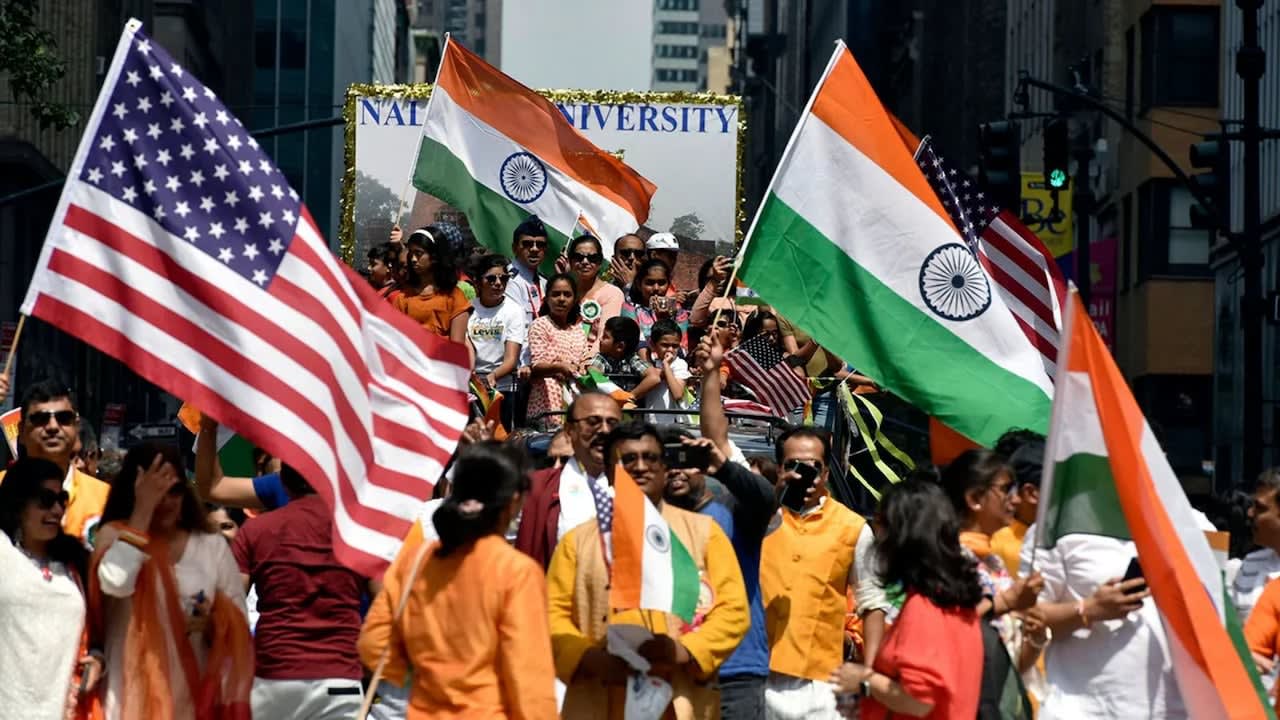
The 'Samosa Caucus' has expanded in the US Congress following the midterm elections, with four incumbents retaining seats and newcomer Pia Dandiya winning in Florida. This shift highlights the growing influence of Indian-American voters driven by concerns over immigration policy.
The Resurgence of the Samosa Caucus in US Politics
The recent midterm elections have marked a significant milestone for the Indian-American community, as the informal legislative group known as the 'Samosa Caucus' has not only retained its presence but expanded its influence. With four incumbent members successfully defending their seats and the historic victory of freshman Pia Dandiya in Florida, the caucus is poised to play a more substantial role in the upcoming legislative sessions. This resurgence is viewed by observers, including Congressman Raja Krishnamoorthi, as a positive step toward ensuring that the Indian-American perspective is represented at the highest levels of federal governance.
Breaking Barriers in the Sunshine State
The most notable development in this election cycle is the triumph of Pia Dandiya in Florida’s 22nd Congressional District. By defeating Republican opponent Casey Askar, Dandiya has become the first Indian-American elected to the US House of Representatives from Florida. Her win is particularly symbolic given that her district encompasses Palm Beach, the home of President Trump’s Mar-a-Lago estate. This victory signals a growing political mobilization in regions previously considered outside the traditional electoral strongholds of the Indian-American diaspora.
The Impact of Immigration Policy
Central to the political discourse surrounding these elections were immigration policies, which emerged as a primary driver of the shifting political mood among Indian-American voters. Issues such as H-1B visa restrictions and broader concerns regarding systemic racism have galvanized the community, leading to higher engagement and more strategic voting patterns. The focus on these specific policy areas suggests that the Indian-American electorate is increasingly prioritizing legislative solutions that directly affect their professional and social stability.
Legislative Influence and Future Trends
After two years of navigating a political landscape often dominated by Republican control, the return of a larger cohort of Indian-American legislators suggests a shift in the balance of power. The 'Samosa Caucus' is no longer merely a symbolic group; it is becoming a functional bloc capable of influencing policy negotiations. As these members take their seats, the expectation is that they will advocate for reforms that address the specific challenges faced by immigrant communities, including visa backlogs and economic integration.
Conclusion: A New Chapter for Representation
The expansion of the Samosa Caucus represents a maturing of the Indian-American political identity in the United States. By successfully integrating into the legislative process, these representatives are bridging the gap between community concerns and federal policy. Moving forward, the effectiveness of this caucus in addressing issues like immigration will likely serve as a barometer for the community's continued political integration and influence in Washington D.C.
Verification Required?