Samsung’s Galaxy Z Fold 8 feels like the future
Source Entity
Dominic Preston
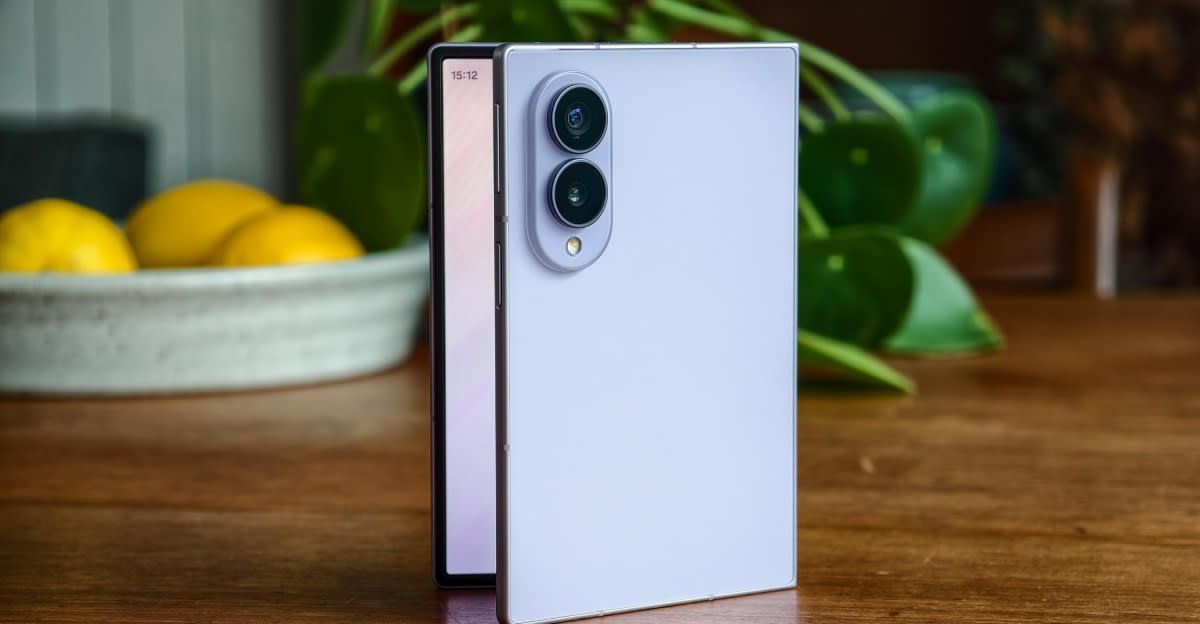
Samsung is positioning its Galaxy Z Fold 8 as the new standard for foldable smartphone design. Industry trends suggest competitors like Apple may soon adopt similar wide-format form factors for their own foldable devices.
The Evolution of the Foldable Form Factor
Samsung has officially signaled a strategic shift in the mobile landscape with the introduction of the Galaxy Z Fold 8. By moving away from the narrow, tall aspect ratios that characterized earlier iterations of the foldable line, Samsung is reclassifying the wide-format device not as a niche experiment, but as the foundational design for the future of mobile computing. This transition marks a critical juncture in hardware development, where usability and screen real estate are finally being prioritized over the novelty of the folding mechanism itself.
Challenging the Widescreen Oddity
For years, the initial generation of foldables suffered from an awkward aspect ratio that made them feel like 'widescreen oddities.' The Z Fold 8 addresses these ergonomic critiques by adopting a squat, wider shape that feels more natural for both productivity and media consumption. This design philosophy suggests that Samsung has gathered sufficient user data to conclude that a broader canvas is the preferred experience for the mass market, effectively setting a new bar for the industry.
The Industry Shift Toward Standardization
This design pivot is not occurring in a vacuum. Rumors surrounding the anticipated foldable iPhone suggest that Apple is leaning toward a similar wide, squat form factor for its debut entry into the category. If Apple follows suit, it would validate Samsung’s design choices and likely trigger a rapid industry-wide adoption of this specific geometry, effectively ending the era of 'tall and narrow' foldable displays that have dominated the market since 2019.
A Historical Context of Competitive Innovation
While Samsung is the primary driver of this trend in the Western market, it is essential to acknowledge that companies like Huawei, with their Pura X Max, were among the first to experiment with these wider dimensions. The convergence of multiple manufacturers toward this specific form factor suggests a consensus on what constitutes the 'ideal' foldable experience. It represents a maturation of the technology where the hardware is finally aligning with user expectations for multitasking and tablet-like functionality.
Implications for Future Trends
As the Z Fold 8 positions itself as the 'new normal,' we can expect a domino effect across the smartphone sector. Developers will likely begin optimizing applications specifically for these wider, non-traditional screens, further cementing the foldable form factor's place in the mainstream. The focus for the next few years will shift from perfecting the hinge to refining software interfaces that can seamlessly transition between these expanded states.
Conclusion
Ultimately, the Galaxy Z Fold 8 represents more than just a hardware refresh; it is a declaration of intent. By standardizing the wide foldable design, Samsung is attempting to secure its position as the architect of the next generation of mobile devices. Whether this design becomes the universal standard will depend on consumer adoption, but the current industry trajectory suggests that the 'future of phones' is becoming significantly wider.