São Tomé and Príncipe heads to polls in tense presidential election
Source Entity
Eromo Egbejule in Abidjan
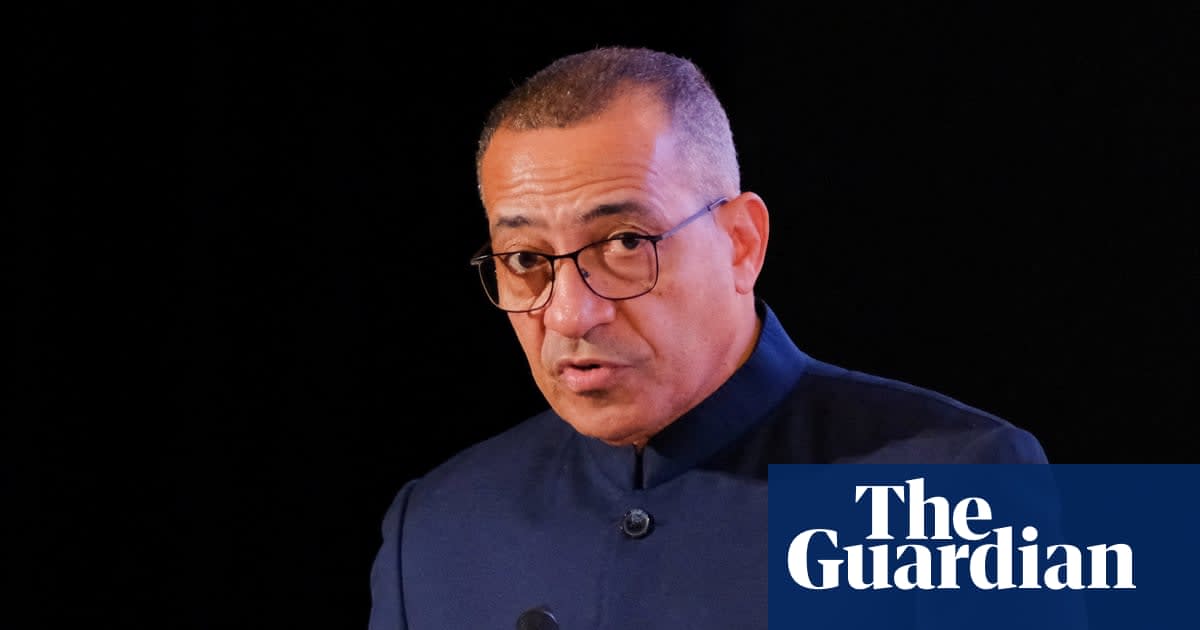
São Tomé and Príncipe is holding a presidential election amid a tense political climate and a constitutional crisis. President Carlos Vila Nova is seeking a second term, notably running as an independent candidate.
Democratic Resilience Amidst Political Turmoil
São Tomé and Príncipe, one of Africa's least populous nations, currently finds itself at a critical political crossroads. As the country prepares for its presidential election this Sunday, the primary objective is not merely the selection of a leader, but a concerted effort to "burnish its democratic credentials." In a region where political volatility is often the norm, the island nation is attempting to signal to both its citizens and the international community that its commitment to democratic processes remains steadfast, even in the face of internal strife.
A Legacy of Stability and Independence
To understand the gravity of the current situation, one must look back to 1975, when São Tomé and Príncipe gained its independence from Portugal. Since that pivotal moment, the country has successfully cultivated a solid reputation for hosting peaceful and competitive elections. This historical track record has distinguished the island state from many of its continental neighbors, positioning it as a rare example of consistent democratic transition in West Africa. The current election is a test of whether this long-standing tradition can survive a period of heightened instability.
Navigating a Constitutional Crisis
Despite its historical stability, this year's vote is occurring against a backdrop of a "tense political atmosphere" and a "lingering constitutional crisis." Such crises typically arise from disputes over the distribution of power between the executive and legislative branches, creating a legal and political deadlock that can paralyze governance. The upcoming election is viewed as a potential mechanism to break this impasse, as the voters' decision will provide a fresh mandate that could either resolve the crisis or exacerbate existing frictions.
The Strategic Shift of Carlos Vila Nova
One of the most significant developments in this electoral cycle is the candidacy of the incumbent, President Carlos Vila Nova. In a strategic move that highlights the current political volatility, Vila Nova is seeking a second term as an independent candidate rather than running under the banner of the ruling Acção Democrática Independente (ADI). This shift suggests a complex relationship between the President and the ruling party, indicating a desire to distance himself from party machinery to appeal to a broader, perhaps more disillusioned, segment of the electorate.
Electorate Dynamics and the Diaspora Influence
The scale of the election is relatively small, with approximately 142,000 registered voters. However, the composition of this electorate is highly significant. About 15% of the registered voters reside in the diaspora, meaning that a substantial portion of the decision-making power lies outside the country's physical borders. This demographic influence ensures that the concerns of the global São Toméan community are integrated into the national political discourse, potentially bringing external perspectives on governance and stability into the local contest.
Broader Implications and Future Outlook
The outcome of this election will serve as a litmus test for the resilience of democratic institutions in small island states. If the transition remains peaceful despite the constitutional crisis, it will reinforce the nation's image as a bastion of stability. However, the move by the President to run as an independent suggests a trend toward personalized politics over party-based governance, which could reshape the country's political landscape for years to come.
Conclusion
In summary, São Tomé and Príncipe is navigating a precarious balance between its history of peaceful democratic transitions and a current era of constitutional uncertainty. With a significant diaspora vote and a president distancing himself from his former party, the stakes extend beyond the presidency to the very survival of the nation's democratic reputation.