Satluj silences: The answer to this film, is another film
Source Entity
Madhu Trehan
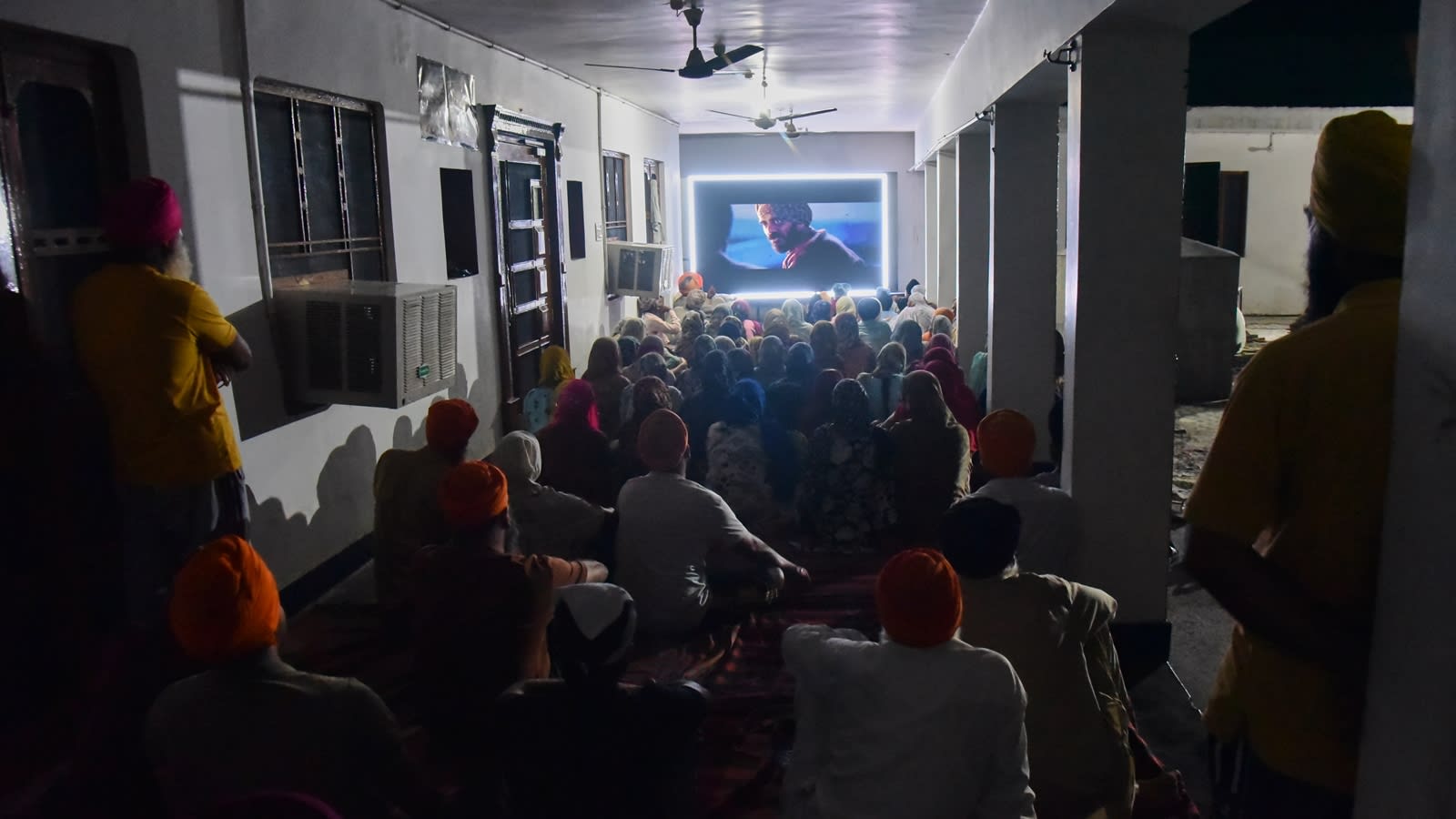
A critique of the film 'Satluj' argues that while it effectively highlights police brutality and Jaswant Singh Khalra's quest for justice, it fails by omitting the violence perpetrated by terrorists. The author calls for a more balanced historical narrative of the Punjab conflict.
The Duality of Trauma: A Critique of 'Satluj'
The film Satluj attempts to tackle one of the most harrowing chapters of Indian history—the insurgency in Punjab. By focusing on the systemic brutality of the Punjab Police and the subsequent struggle for accountability, the film positions itself as a voice for the voiceless. However, as analyzed in the provided text, the narrative is criticized for being incomplete, presenting a one-sided view of a conflict characterized by multi-faceted violence. The central tension lies in the gap between the film's portrayal of state-sponsored disappearance and the omitted reality of militant atrocities.
The Quest for Accountability: Jaswant Singh Khalra
A significant portion of Satluj is dedicated to the legacy of Jaswant Singh Khalra, a figure synonymous with the search for the 'disappeared.' The film captures the essence of a quest for justice that was thwarted at every turn, highlighting the unscrupulous methods used by security forces to maintain control. This aspect of the film serves as a critical examination of state power and the human rights violations that occurred during the peak of the unrest. By centering the story on Khalra, the film underscores the psychological and physical toll of systemic erasure and the bravery required to challenge a powerful state apparatus.
The Silent Half: Omitted Terrorist Violence
Despite its strengths in depicting state brutality, the critique argues that Satluj suffers from a glaring omission: the horrors unleashed by terrorists fighting for Khalistan. The author provides a poignant personal counter-narrative, recalling their experience in October 1988 while editing a video titled 'The Children of Punjab.' This firsthand account of witnessing the brutality inflicted upon ordinary people by militants serves as a reminder that the grief of the era was not monolithic. By excluding the violence of the insurgents, the film is accused of presenting a skewed version of history that ignores the suffering of victims who fell prey to non-state actors.
Historical Context and the Complexity of Conflict
To understand the critique of Satluj, one must acknowledge the broader historical context of the Punjab conflict in the 1980s. The period was marked by a brutal cycle of violence where civilians were often caught between the crossfire of militant separatists and the heavy-handed response of the police. The author's assertion that 'there are many sides' to the story reflects the complex socio-political landscape of the time. When cinema chooses to highlight only one side of this trauma, it risks oversimplifying a tragedy and failing to provide a comprehensive understanding of the collective grief experienced by the region.
The Responsibility of Cinematic Storytelling
This analysis raises a critical question about the role of cinema in documenting historical trauma. While the film Satluj successfully evokes empathy for those crushed by the state, the demand for 'another film' suggests that true healing and historical justice require a holistic approach. Cinema has the power to either bridge gaps in understanding or widen them by reinforcing selective memories. The critique suggests that for a film to be truly impactful in a historical sense, it must be courageous enough to depict the brutality of all perpetrators, regardless of their political alignment.
Conclusion: Toward a Complete Narrative
In summary, while Satluj provides a necessary lens into the atrocities committed by the Punjab Police and the heroic efforts of Jaswant Singh Khalra, it remains an incomplete record. The author's reflection on the 'aura of grief' from 1988 emphasizes that the tragedy of Punjab cannot be reduced to a single antagonist. For the narrative to be genuine and factual, it must encompass the totality of the horror—both the state's unscrupulous methods and the terrorists' brutality—to ensure that no victim's suffering is erased from the historical record.