Saudi Coalition Says Intercepted Drone Over Riyadh, Missile In South
Source Entity
NDTV News Search Records Found 1000
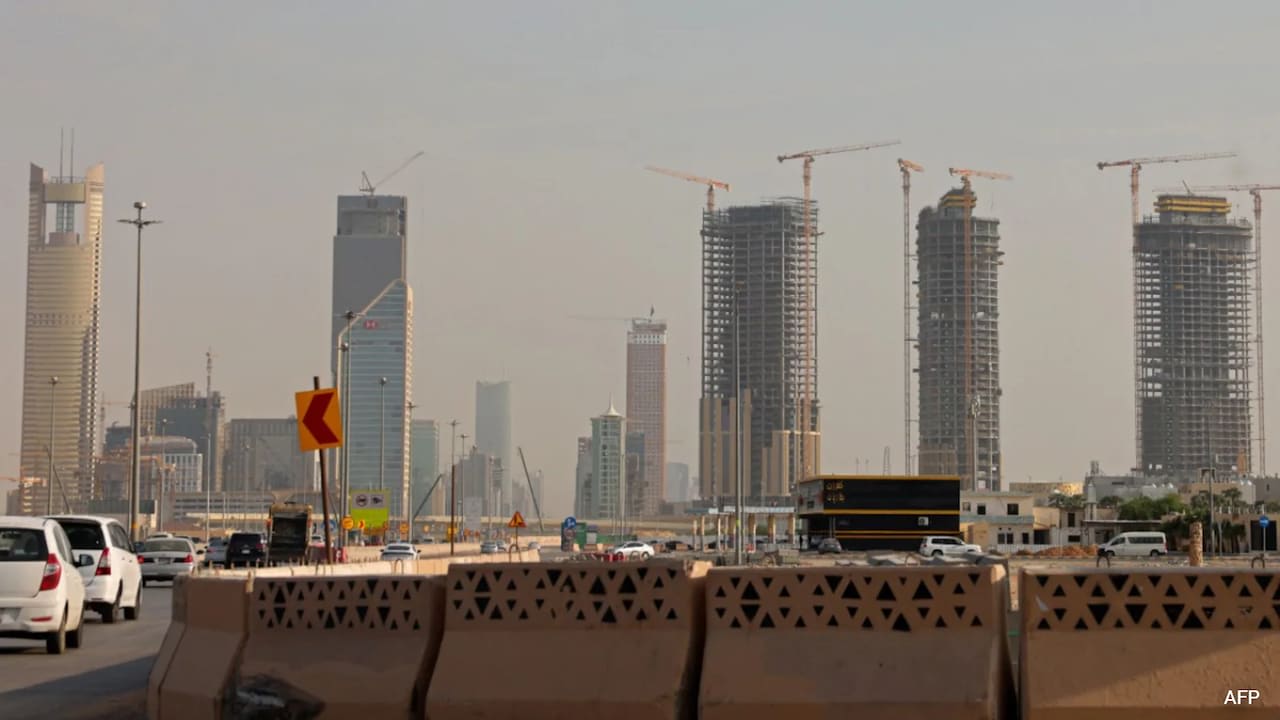
The Saudi-led coalition successfully intercepted a drone over Riyadh and a missile in the southern region. These incidents underscore the ongoing security challenges facing Saudi Arabia amid regional tensions.
Escalation in Saudi Airspace: Interception Analysis
Recent reports confirm that the Saudi-led coalition has successfully intercepted an unmanned aerial vehicle (UAV) over the Riyadh province, while simultaneously neutralizing a ballistic missile in the southern regions of the Kingdom. This dual-threat event highlights the persistent security challenges faced by Saudi Arabia as it navigates a complex geopolitical landscape defined by cross-border hostility and aerial warfare.
The Mechanics of Aerial Defense
The interception of a drone over the capital city, Riyadh, indicates a significant penetration of protected airspace. Saudi Arabia utilizes a sophisticated multi-layered air defense network, primarily centered around Patriot missile batteries and advanced radar systems. The ability to track and destroy a low-altitude drone before it reaches high-value urban targets is a testament to the coalition’s reactive capabilities, though it also raises questions regarding the increasing sophistication of the weaponry being deployed against the Kingdom.
Strategic Implications of Southern Missile Strikes
Concurrently, the interception of a missile in the south serves as a reminder of the vulnerability of border regions. These areas have historically been the primary theater for such attacks, often targeting infrastructure, airports, and military installations. The geographical proximity of these threats necessitates a constant state of high alert, impacting both the logistical operations of the coalition and the daily lives of residents in the southern provinces.
Regional Tensions and Proxy Dynamics
The persistence of these aerial threats is deeply rooted in the ongoing regional proxy conflicts. Such attacks are frequently utilized as tactical leverage in broader diplomatic disputes. By targeting the capital, hostile actors seek to project an image of vulnerability within the Saudi heartland, while southern strikes aim to disrupt economic and military stability along the border. These maneuvers are rarely isolated incidents; rather, they are part of a continuous cycle of provocation and defense.
Future Trends in Aerial Warfare
As drone technology becomes more accessible and cost-effective, the threat profile for nations like Saudi Arabia is evolving. The shift toward low-cost, high-frequency drone swarms or precision-guided missiles presents a difficult challenge for traditional air defense systems designed for larger, conventional threats. Future security trends will likely see an increased investment in electronic warfare, anti-drone jamming technologies, and enhanced intelligence-sharing protocols to preempt these launches before they occur.
Conclusion
The successful interception of the drone and missile confirms the operational readiness of the Saudi coalition's defense forces. However, the recurring nature of these incidents underscores that despite technological advancements in interception, the underlying regional hostilities remain a volatile factor. Long-term regional stability will likely require a shift from purely military deterrence to sustained diplomatic engagement to mitigate the frequency of such aerial incursions.
Verification Required?