'Must Be Fair': High Court Refuses To Remove Cop Who Slapped Woman Protester
Source Entity
NDTV News Search Records Found 1000
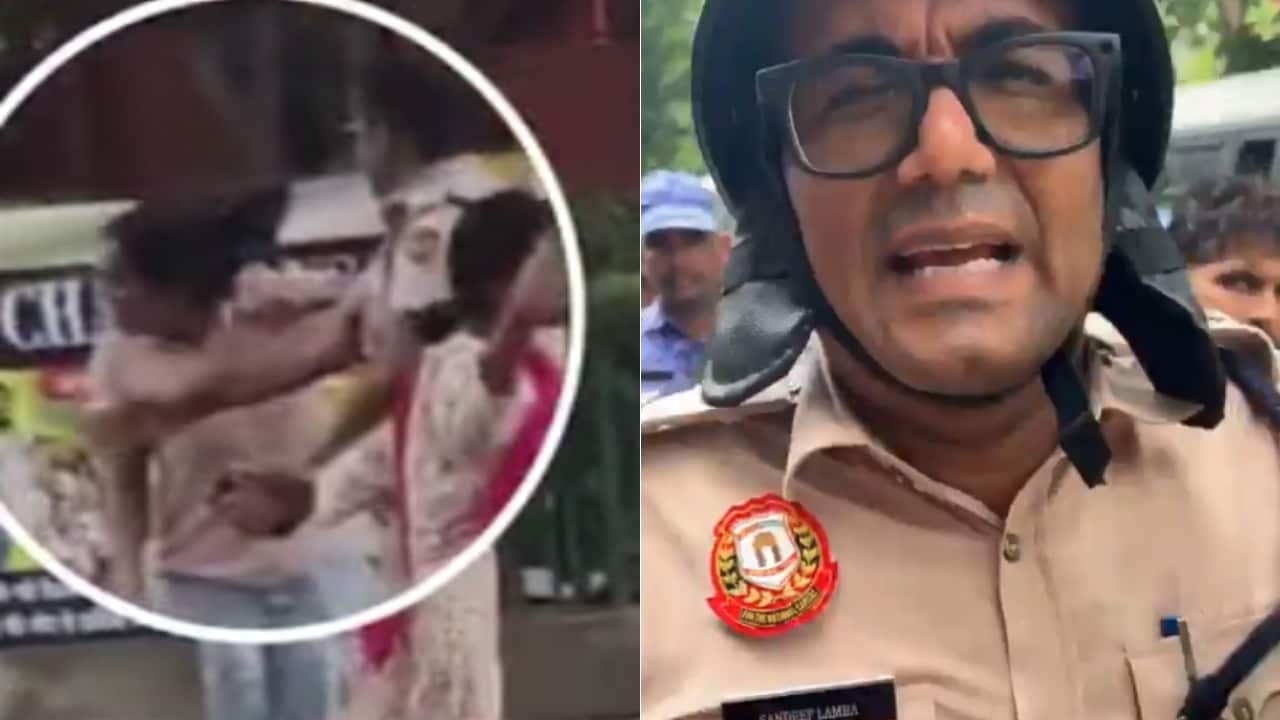
The Supreme Court has ordered an independent inquiry into police violence against NEET student protesters. The court also directed the release of arrested minors and restrained police from taking coercive action against peaceful demonstrators.
Supreme Court Intervention in NEET Student Protests
Recent student demonstrations sparked by the NEET paper leak controversy have culminated in a significant legal intervention by the Supreme Court of India. The bench, led by Chief Justice of India Surya Kant and comprising Justices Joymalya Bagchi and V Mohana, has underscored the necessity of a transparent, fair, and independent probe into allegations of police excesses against students across various states and in the national capital.
The Necessity of Judicial Oversight
The Supreme Court’s insistence on a thorough investigation stems from alarming reports of law enforcement conduct during these protests. Allegations brought before the court include the use of excessive force, such as the deployment of pellet guns against marchers and, in a particularly grave instance from Bihar, claims that a police officer brandished an AK-47 against peaceful protesters. By stating, "Whosoever committed excesses, took law in their hands should be taken to task," the court has signaled that the violation of established policing protocols will not be tolerated.
Proposed Special Investigation Team (SIT)
To ensure the accountability of state apparatuses, the apex court is considering the formation of a Special Investigation Team (SIT). This move is a direct response to petitions filed by Rajya Sabha MP Manoj Kumar Jha and others, who sought the registration of FIRs following the reported violence. The court’s focus is not merely on punitive measures for those who exceeded their authority but also on establishing a robust, standardized protocol for handling student demonstrations in the future to prevent similar escalations.
Protection of Student Rights
Recognizing the vulnerability of participants in these protests, the Supreme Court has granted interim relief by barring coercive action against student demonstrators and ordering the immediate release of any minors arrested during the unrest. Furthermore, the court has prohibited the public disclosure of personal data belonging to the protesting students. This measure serves to protect the future prospects and privacy of young citizens who were exercising their right to protest against systemic failures in the examination process.
Balancing Order and Civil Liberties
While the Court has extended significant protections to students, it has also maintained a balanced approach by clarifying that this interim relief does not apply to "anti-social elements" or individuals with prior criminal antecedents. This distinction is crucial, as it allows the state to maintain law and order while simultaneously ensuring that the fundamental rights of students to voice their grievances against the NEET paper leak remain protected from state-sponsored intimidation.
Future Implications and Conclusion
The Supreme Court’s proactive stance highlights a critical juncture in the relationship between student activism and law enforcement in India. By mandating an impartial inquiry and seeking to frame a clear protocol, the judiciary is attempting to institutionalize accountability. The success of these proceedings will likely serve as a precedent for how future large-scale protests are managed, moving away from aggressive policing toward a framework that respects constitutional rights while maintaining public safety.
Multiple Citing Sources
Verification Required?