SC slams Centre, drug regulator over expired Covid-era approvals for antifungal drug
Source Entity
Latest News: Todays Latest News Headlines from India & World | Hindustan Times | Hindustan Times
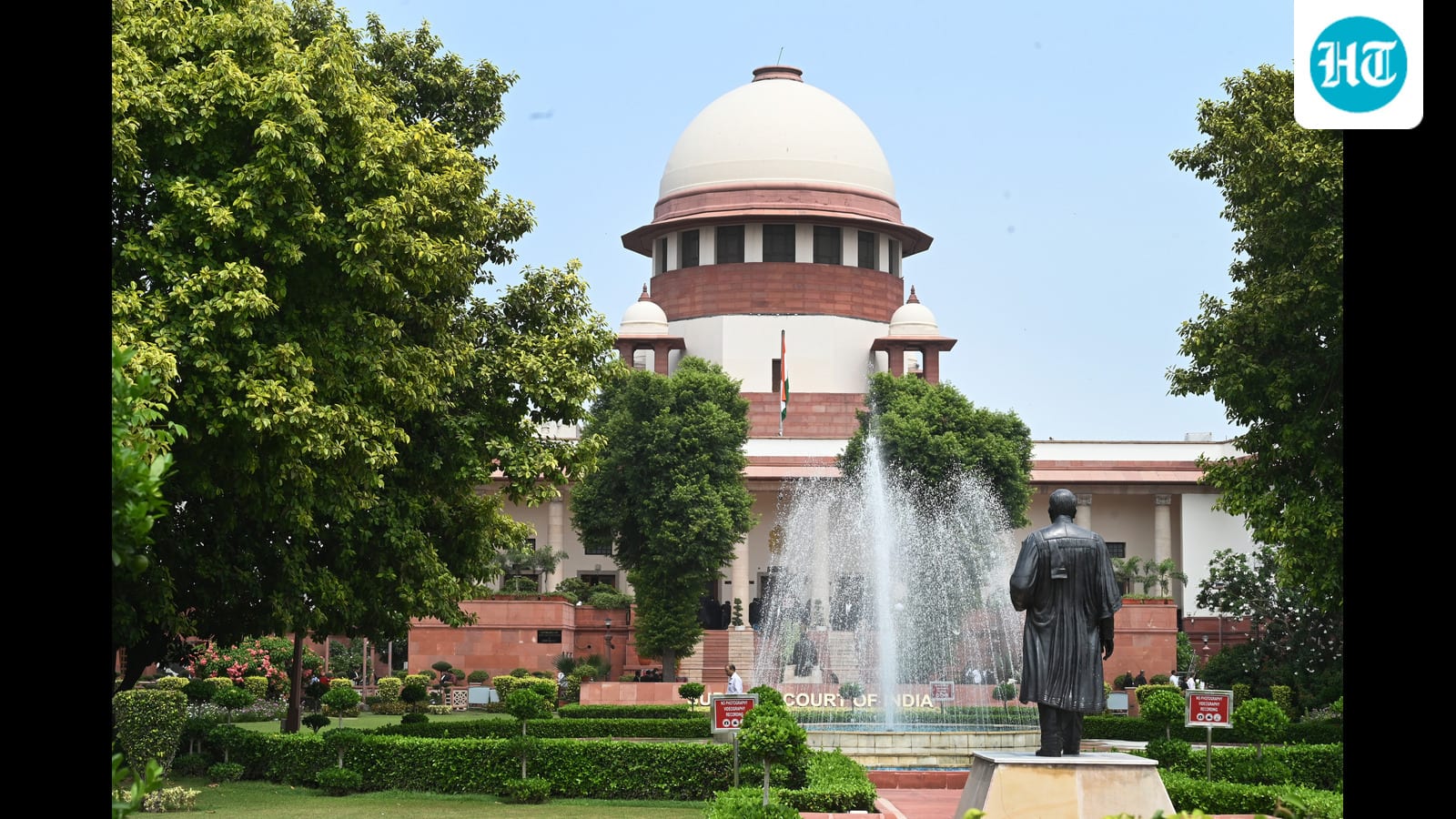
The Supreme Court has reprimanded the Indian government and the DCGI for inaction regarding the sale of antifungal drugs under expired Covid-era permits. The court criticized the pharmaceutical industry's excessive pricing models and the lack of regulatory oversight for critical medications.
Supreme Court Rebukes Regulatory Lapses in Pharmaceutical Oversight
The Crisis of Regulatory Oversight
The Supreme Court of India has recently issued a scathing critique of the Union government and the Drug Controller General of India (DCGI) regarding their handling of pharmaceutical regulations. At the heart of the matter is the continued sale of Liposomal Amphotericin B—a critical antifungal medication—under emergency authorizations that expired years ago. The court’s frustration centers on a five-year period of apparent inaction, during which these drugs were allegedly manufactured and sold without the necessary clinical trials or updated regulatory scrutiny, raising significant alarms regarding patient safety and public health standards.
The Question of Accountability
The bench explicitly demanded to know what regulatory officials were doing during this half-decade window of oversight failure. The court’s sharp inquiry, questioning if officials were "sleeping," highlights a deeper systemic issue within the drug regulation framework in India. By allowing companies to operate under obsolete Covid-era permissions, the regulatory bodies effectively bypassed the rigorous safety and efficacy protocols required for life-saving drugs, creating a dangerous precedent for pharmaceutical compliance in the post-pandemic landscape.
Curbing Corporate Excess in Healthcare
Beyond the regulatory failures, the Supreme Court addressed the broader economic implications of the pharmaceutical industry’s pricing strategies. The court firmly rejected the notion that the "free market" justifies predatory pricing, noting that some companies have been marking up medicine costs by over 1,000%. This stance serves as a stern warning against letting the industry "run amok," signaling that the judiciary is prepared to prioritize equitable access to essential medications over unrestricted profit-seeking behavior.
Historical Context and Pandemic Precedents
During the peak of the Covid-19 pandemic, governments worldwide issued emergency use authorizations (EUAs) to expedite the availability of necessary drugs. While these measures were essential for emergency response, the Supreme Court's intervention underscores the danger of failing to transition back to standard, permanent regulatory oversight once the crisis subsides. The delay in revoking these temporary permissions has created a "regulatory vacuum" that companies have exploited, necessitating judicial intervention to restore order.
Future Trends and Judicial Intervention
The Supreme Court’s recent actions suggest a shift toward more proactive judicial oversight in the healthcare sector. By forcing the government to act—only recently initiating moves against non-compliant firms—the court has signaled that it will no longer remain a passive observer of bureaucratic negligence. Moving forward, we can expect increased scrutiny on drug pricing and a likely overhaul of how temporary regulatory approvals are sunsetted to prevent future lapses in public health safety.
Conclusion
The Supreme Court’s intervention serves as a vital check on both corporate greed and administrative apathy. As the government begins to take action against the companies involved, the focus must remain on establishing a robust, transparent, and strictly enforced regulatory framework that prevents the exploitation of medical necessity for exorbitant profit, ensuring that the health of the public remains the primary objective of the pharmaceutical industry.
Multiple Citing Sources
Verification Required?