More than 75% of seabirds found with plastic in their stomachs; one had 894 pieces
Source Entity
The Indian Express
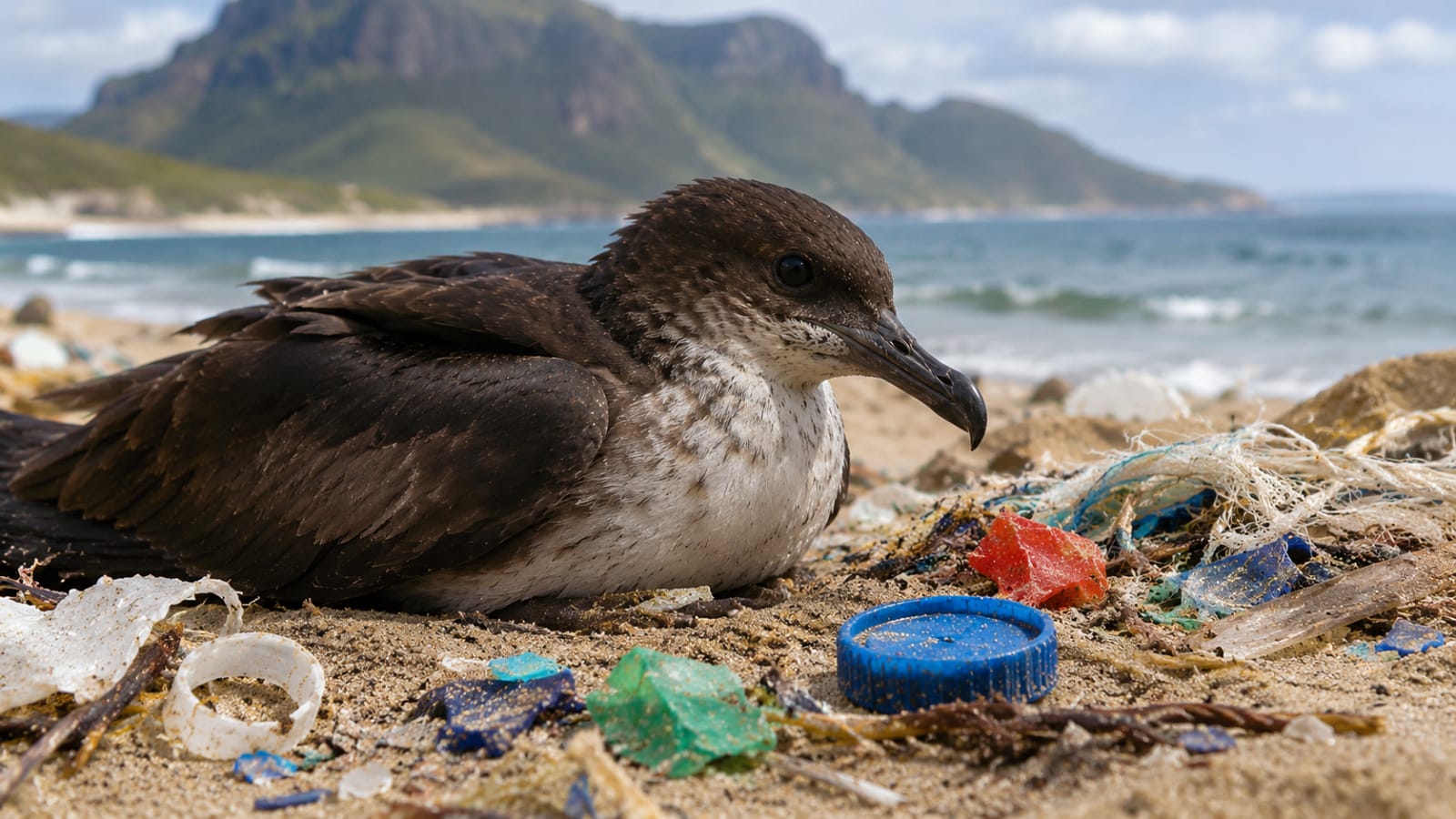
Research on Australia’s Lord Howe Island reveals that over 75% of seabirds have ingested plastic, with some stomachs containing up to 894 pieces. This severe pollution leads to fatal starvation, highlighting a critical escalation in the impact of ocean waste on marine ecosystems.
The Silent Crisis of Plastic Ingestion in Seabirds
Recent research focusing on the seabird populations of Australia’s Lord Howe Island has unveiled a harrowing ecological reality: more than 75% of the birds surveyed are found with plastic debris in their stomachs. This data, published in the journal Earth’s Futures, underscores a catastrophic intersection between global plastic production and the health of isolated marine wildlife. The findings suggest that the ingestion of synthetic materials has reached a critical threshold, effectively turning the digestive tracts of these birds into reservoirs for non-biodegradable waste.
The Mechanics of 'Full Stomach' Starvation
The most disturbing aspect of this phenomenon is the physiological impact on the birds. Because their stomachs are physically packed with plastic debris—with one extreme case documenting 894 individual pieces—the birds suffer from a false sense of satiation. They are effectively starving to death despite having full stomachs, as the plastic occupies space that should be reserved for nutritional food. This mechanical blockage prevents the ingestion of necessary calories, leading to a slow and painful decline in the health of affected populations.
Escalating Trends in Ocean Pollution
The study highlights a significant surge in plastic consumption by these birds in recent years, reflecting the broader, unchecked trajectory of ocean pollution. Lord Howe Island, once considered a pristine environment, now serves as a sentinel site for the global plastic crisis. The accumulation of debris in these birds is a direct indicator of the density of floating waste in the surrounding marine environment, suggesting that current mitigation efforts are failing to keep pace with the influx of anthropogenic materials.
Ecological and Biological Implications
Beyond individual suffering, the implications for the species are profound. When a significant percentage of a population—in this case, over 75%—is compromised by plastic ingestion, the reproductive and survival capabilities of the entire colony are threatened. The energy deficit created by plastic consumption limits the birds' ability to forage, migrate, and rear their young, potentially leading to long-term population collapses that could disrupt the local food web on and around the island.
A Call for Global Environmental Policy
This evidence from Lord Howe Island acts as a microcosm of a much larger, systemic failure to manage plastic waste. The surge in ingestion rates documented in Earth’s Futures serves as a clarion call for more stringent international regulations regarding plastic waste management and maritime disposal. Without a drastic reduction in the amount of plastic entering the marine environment, the trend of wildlife starvation will likely continue, further degrading the biodiversity of our oceans and pushing vulnerable seabird species toward extinction.