Looking for a second home? Sellers in these markets could be ready to make a deal.
Source Entity
Aarthi Swaminathan
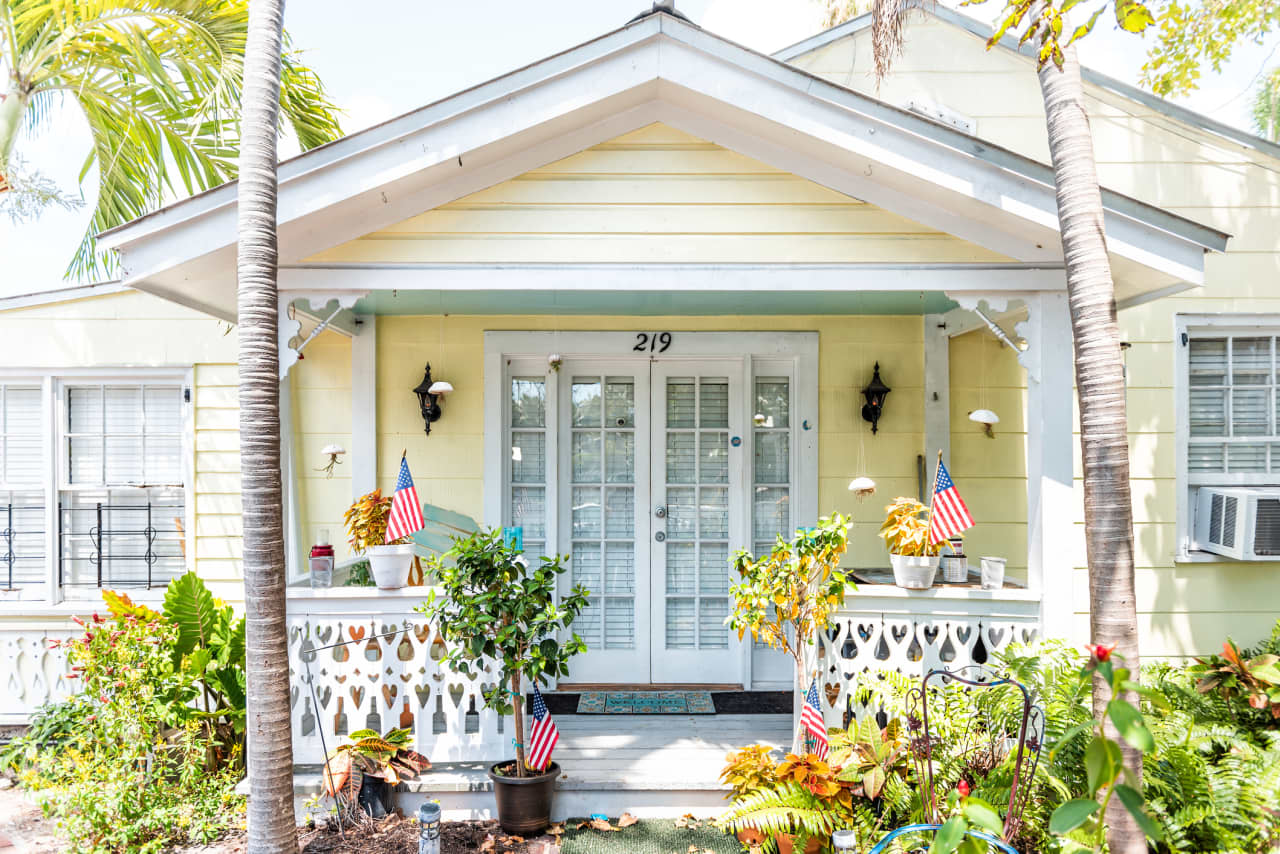
House hunters seeking second homes may find favorable pricing and negotiation opportunities in various markets across the South and Midwest. These regions are currently presenting a unique landscape for buyers looking to acquire vacation or investment properties.
The Shift in Second-Home Market Dynamics
Recent market data indicates a notable shift for prospective real estate buyers, particularly those in the market for second homes. For individuals seeking vacation properties or long-term investment assets, the current landscape across the South and Midwest is increasingly favoring the buyer. This trend suggests that sellers in these specific regions may be more amenable to negotiations, potentially providing house hunters with favorable price points that were previously unavailable during the peak market volatility of the last few years.
Geographical Opportunities: The South and Midwest
The identified regions—the South and the Midwest—are emerging as focal points for this potential buyer advantage. Unlike the high-cost coastal enclaves that have historically dominated the second-home sector, these regions offer a diverse range of inventory. The current inventory levels in these areas suggest that supply is beginning to outpace demand, effectively shifting the leverage from the seller to the buyer. This creates a window of opportunity for those who have been waiting on the sidelines for prices to stabilize.
Understanding the Seller's Perspective
Why are sellers in these regions currently more willing to make a deal? The answer lies in the broader economic climate. Many sellers who purchased second homes during the pandemic-driven housing boom may now be facing changing financial priorities or high maintenance costs. As the urgency of the initial market surge fades, these owners are increasingly motivated to liquidate assets, leading to a more flexible approach toward pricing and closing terms. This motivation is a critical driver for the current buyer-friendly environment.
Economic Implications for Buyers
For the prospective buyer, this shift represents more than just a lower sticker price. It signifies a transition from a 'seller's market' to a more balanced negotiation environment. Buyers are now in a position to request concessions, such as home repairs or closing cost assistance, which were largely off the table when competition was at its zenith. This economic normalization is a healthy sign for the real estate sector, as it allows for more sustainable long-term property acquisition.
Future Trends and Strategic Outlook
Looking ahead, we can expect this trend to persist as long as interest rates remain elevated and inventory levels in the South and Midwest remain steady. Investors and vacation-home buyers should monitor these markets closely, as the window for aggressive negotiation may be temporary. By focusing on these specific regions, buyers can capitalize on current seller motivations to secure property at values that align more closely with long-term financial objectives rather than short-term market hype.
Conclusion
In summary, the second-home market is undergoing a necessary correction, creating a viable path for buyers to enter these markets with increased confidence. By targeting the South and Midwest, house hunters can leverage the current supply-demand imbalance to their advantage. As always, rigorous due diligence remains essential, but the current climate is undeniably more welcoming to those ready to make a deal.
Verification Required?